


Review of four 15x56 binoculars
11. Final results and summary
| Category | Oberwerk Ultra ED 15x56 | Sky Rover Banner Cloud 15x56 APO | Swarovski SLC 15x56 W B | Zeiss Conquest HDX 15x56 |
|---|---|---|---|---|
| Specifications | 1 | 3 | 2 | 4 |
| Build quality and finish | 1 | 2 | 4 | 3 |
| Field of view | 3 | 4 | 1.5 | 1.5 |
| Image resolution | 1 | 4 | 3 | 2 |
| Color and contrast | 1 | 2.5 | 2.5 | 4 |
| Chromatic aberration | 3 | 4 | 2 | 1 |
| Distortion | 2.5 | 2.5 | 2.5 | 2.5 |
| Night tests | 2 | 1 | 3 | 4 |
| Ghosting and flares | 1 | 3 | 2 | 4 |
| Final result | 15.5 | 26.0 | 22.5 | 26.0 |
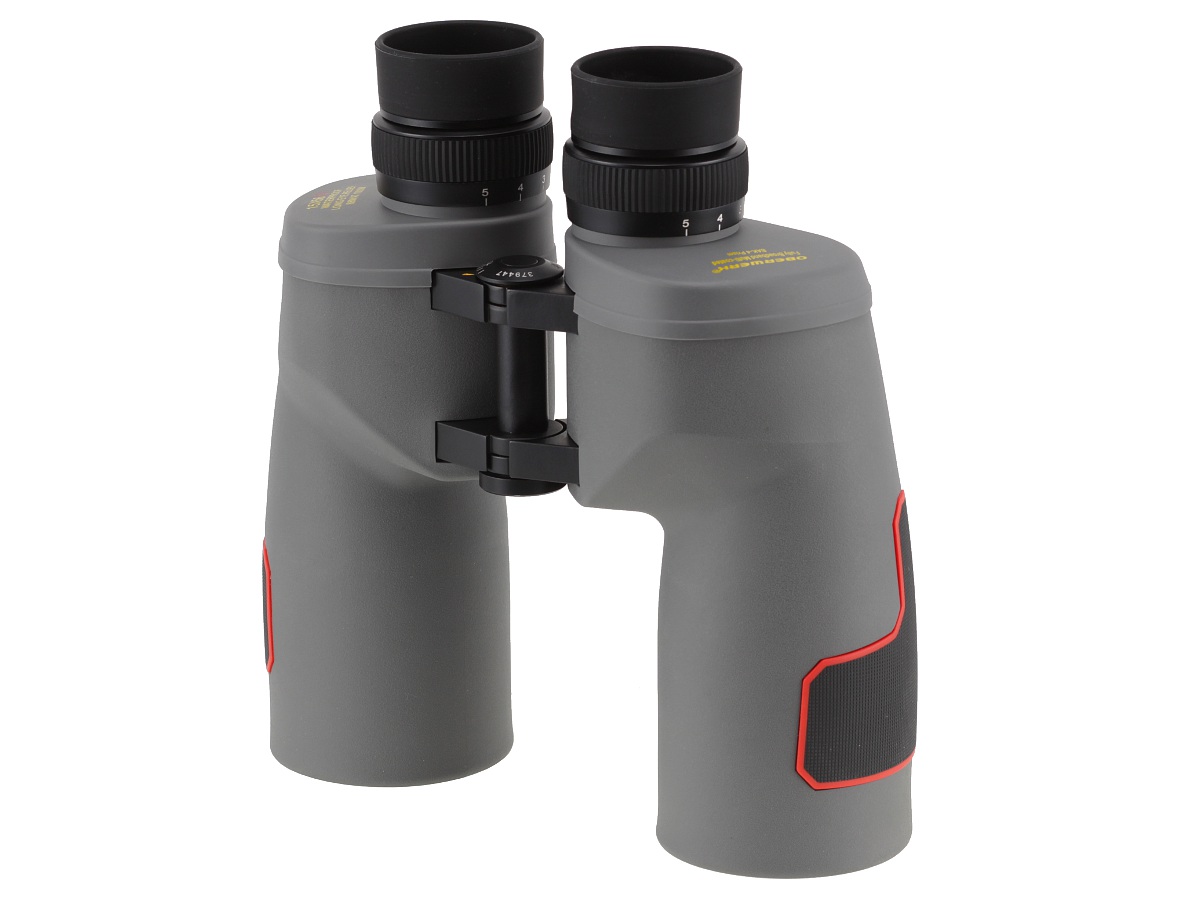
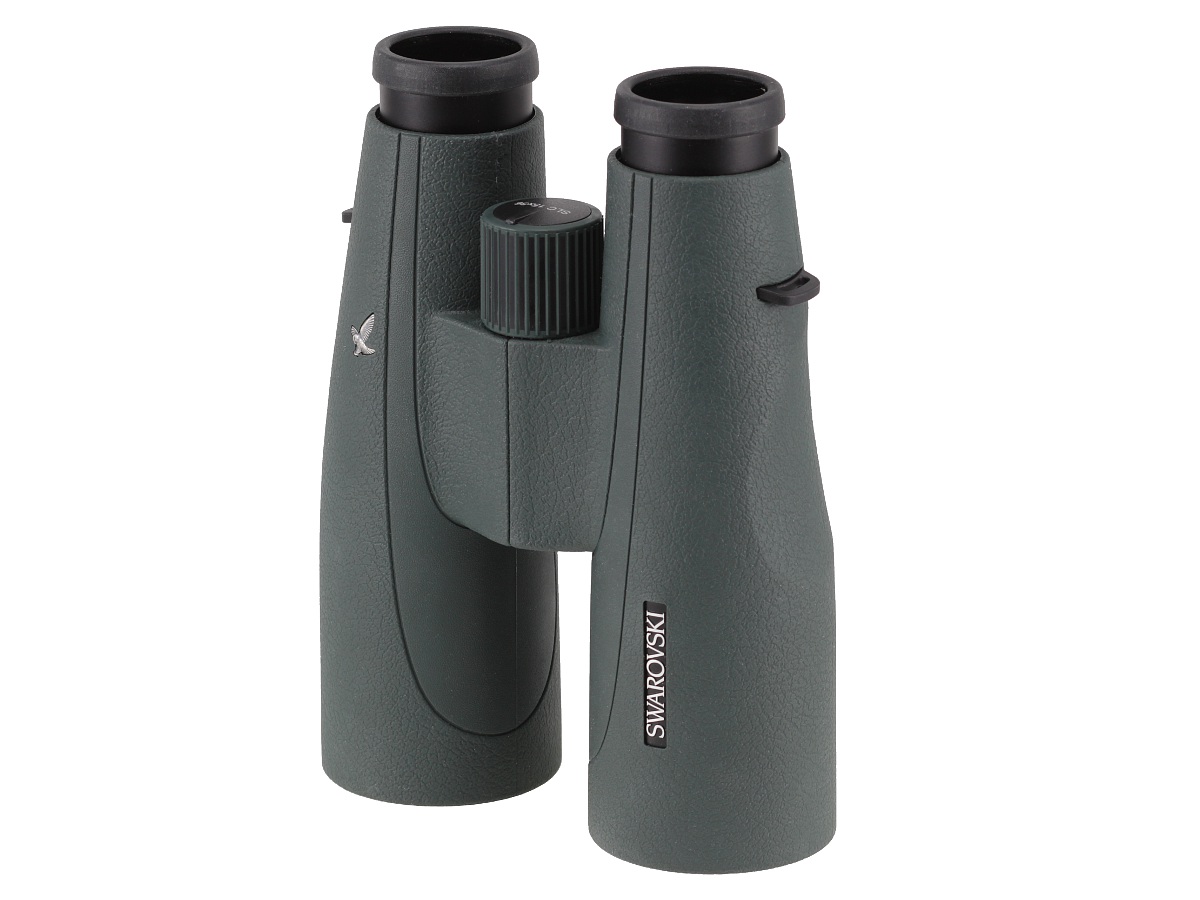
How should these results be interpreted? On one hand, there appears to be a clear loser, as the total number of points amassed by the Oberwerk trails noticeably behind the other three contenders. However, I certainly would not call the Oberwerk a failure. Its point losses in certain categories stemmed from very deliberate design choices made by the manufacturer to tailor this binocular for specific applications. As the most affordable model in the lineup - nearly five times cheaper than the Swarovski - it demonstrated an ability to go toe-to-toe with significantly more expensive rivals in many key areas. In fact, given the price gap, these high-end models are unlikely to be direct competitors for anyone shopping in this tier. Instead, the Oberwerk mostly competes with itself: buyers seeking an astronomy binocular may well opt for the Oberwerk Ultra ED 15x70 instead, which offers the same magnification alongside larger, light-hungry objective lenses and an even wider field of view. Thus, despite officially finishing in last place, the Oberwerk has no reason to consider itself a defeat.
Please Support UsIf you enjoy our reviews and articles, and you want us to continue our work please, support our website by donating through PayPal. The funds are going to be used for paying our editorial team, renting servers, and equipping our testing studio; only that way we will be able to continue providing you interesting content for free. |
- - - - - - - - - - - - - - - - - - - - - - - - - - - - - - - - - - - - - - - - - - - - - - - -
 |
 |
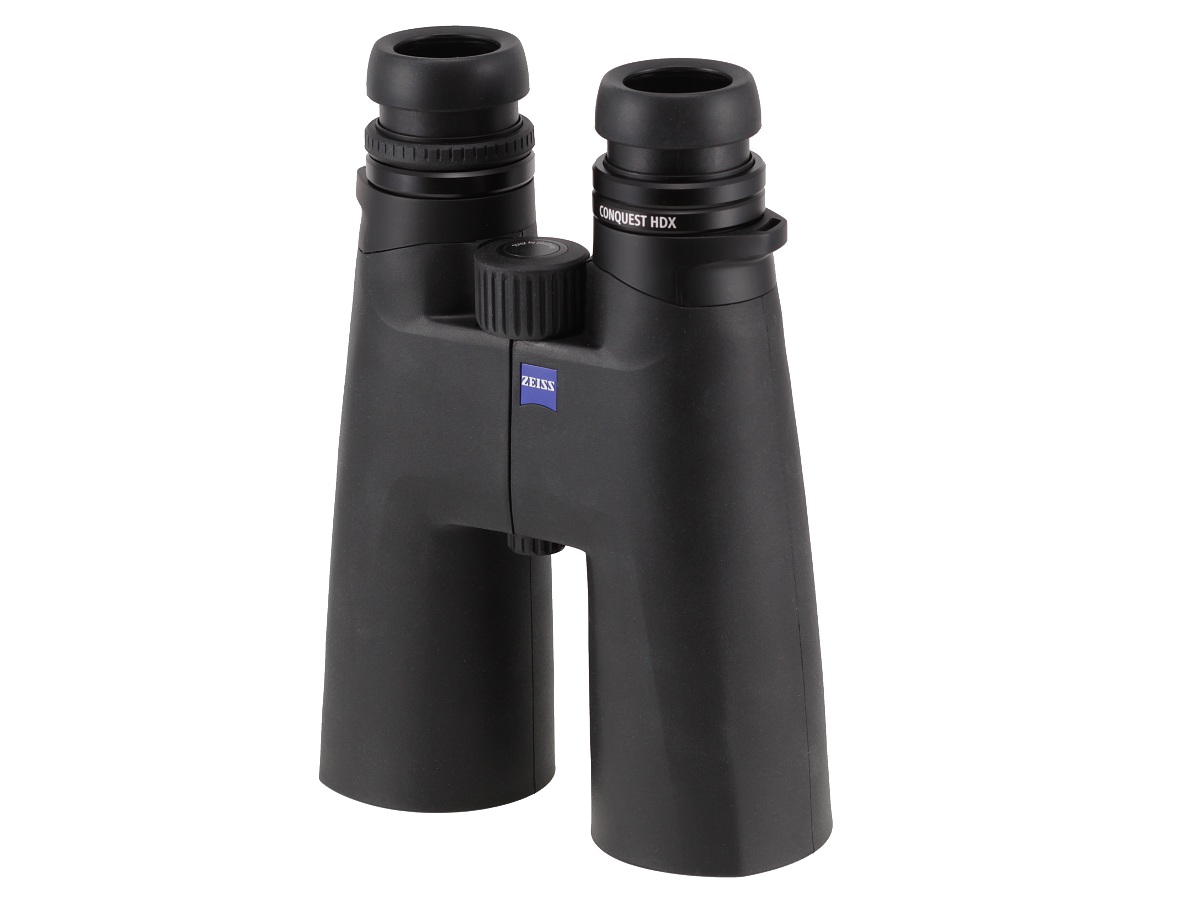
The Conquest binoculars were already very capable performers in their original HD incarnation, and I myself used the Conquest HD 10x32 for several years, with great satisfaction. The transition to the Conquest HDX series brought several worthwhile improvements, including a lighter, slightly redesigned housing and improved optical coatings. The latter resulted in more natural colour rendition and helped to further raise the overall performance of these binoculars.
Provided you choose a sample with a properly functioning focusing mechanism, the Conquest HDX 15x56 is an excellent piece of optical equipment, and one that can be purchased for around €1,000 less than its Swarovski counterpart. The main compromise is a somewhat higher level of chromatic aberration than that exhibited by its competitors.
 |
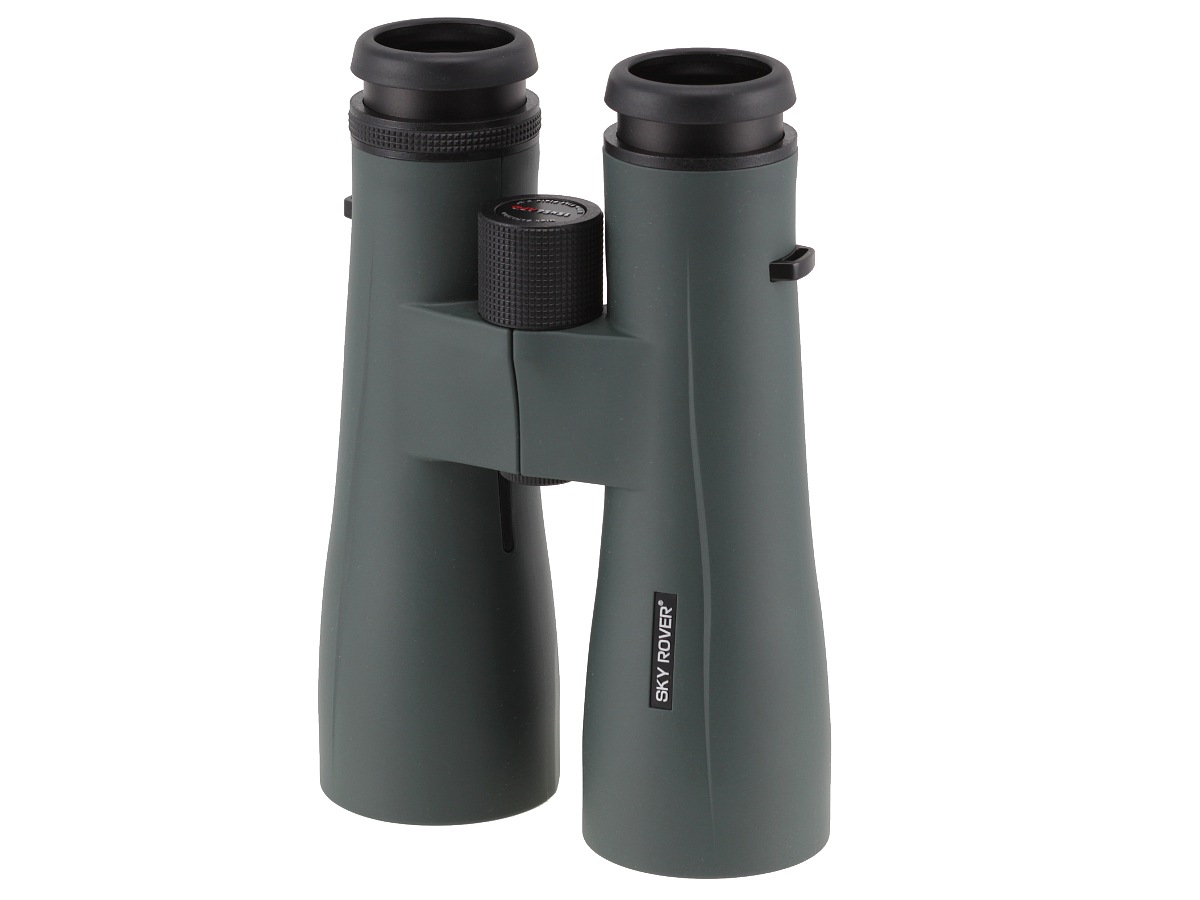 |
Once again, conducting this test was an absolute blast. Every single binocular tested brings something special to the table, delivering genuine joy during operation and observation. Given the high standard maintained across the vast majority of evaluation categories, the competition was remarkably tight.