


Pentax SD 10x42 ED
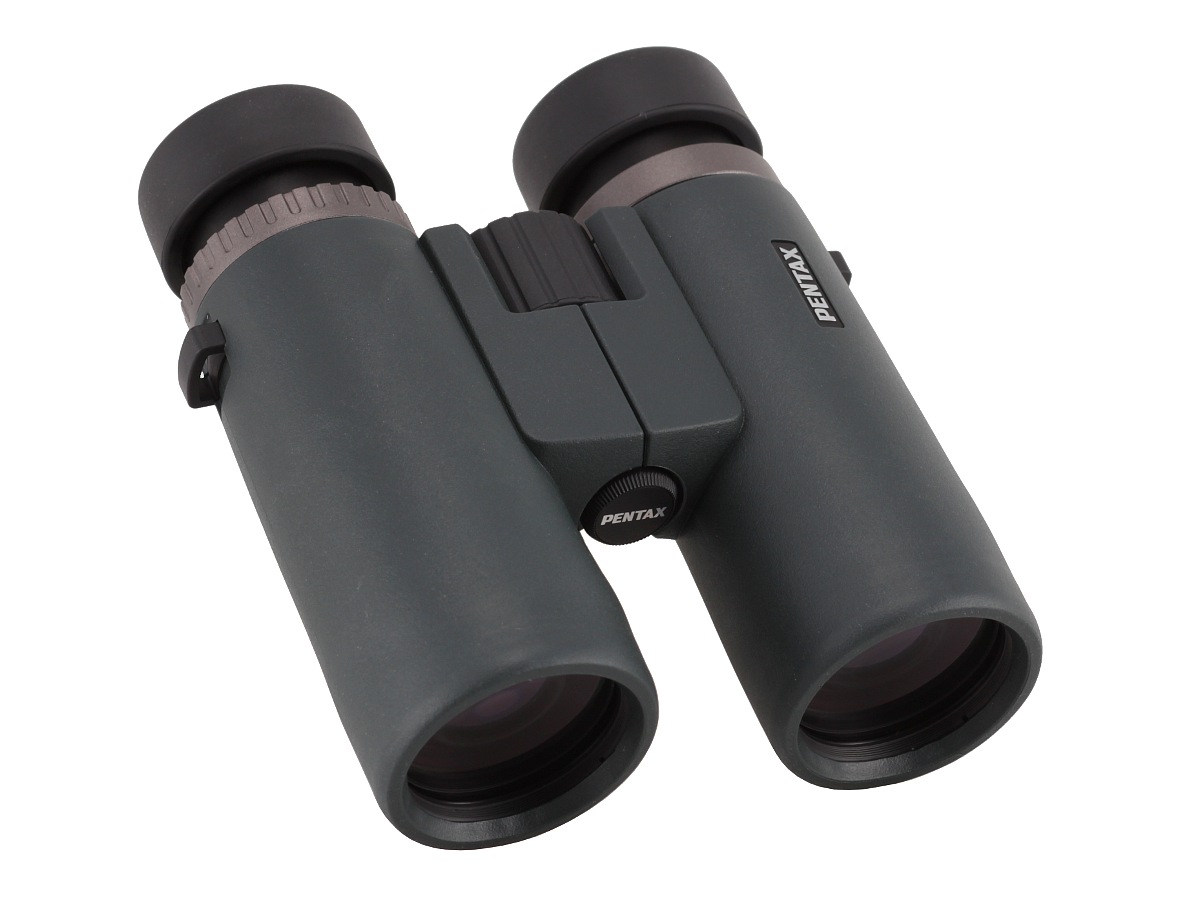
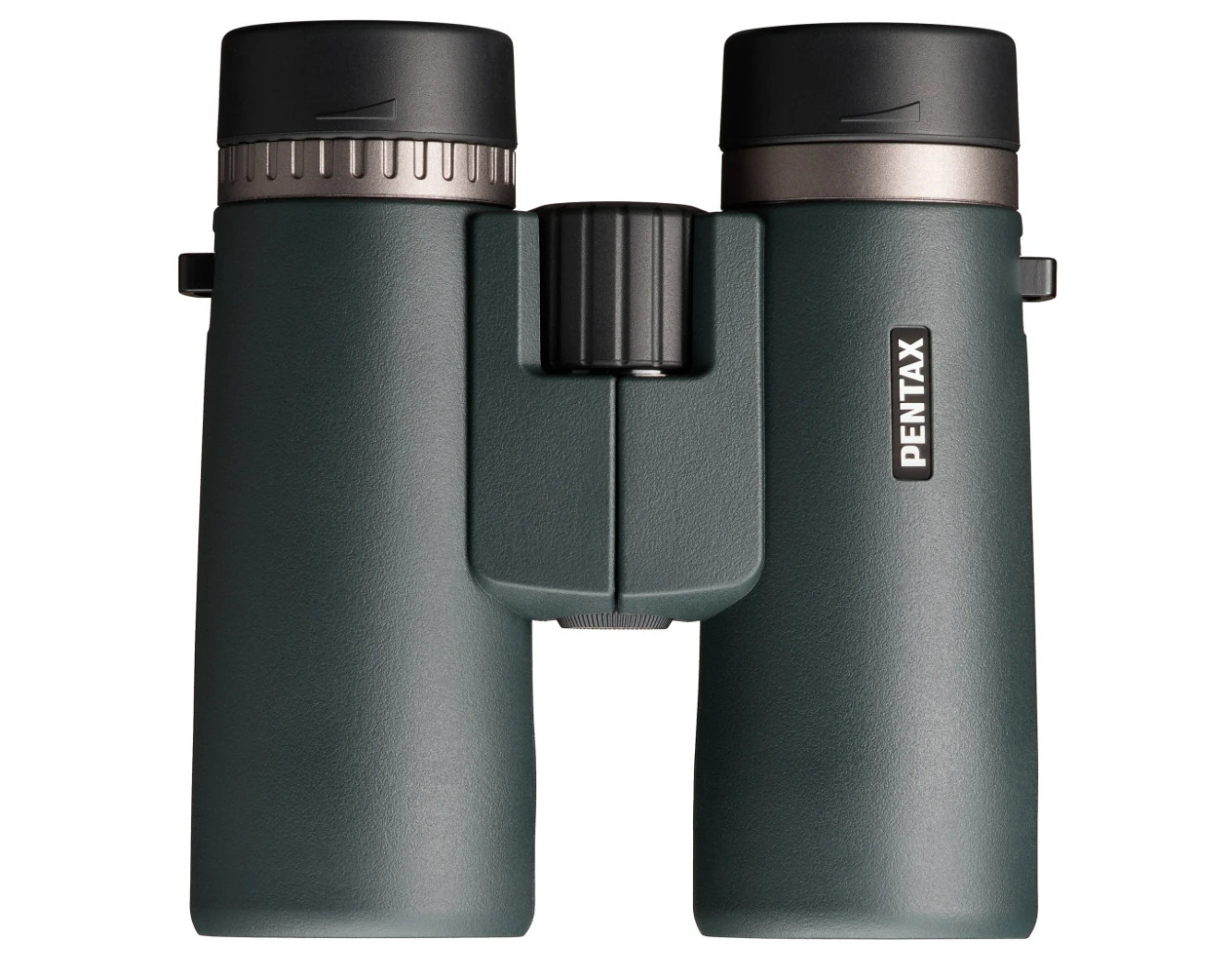
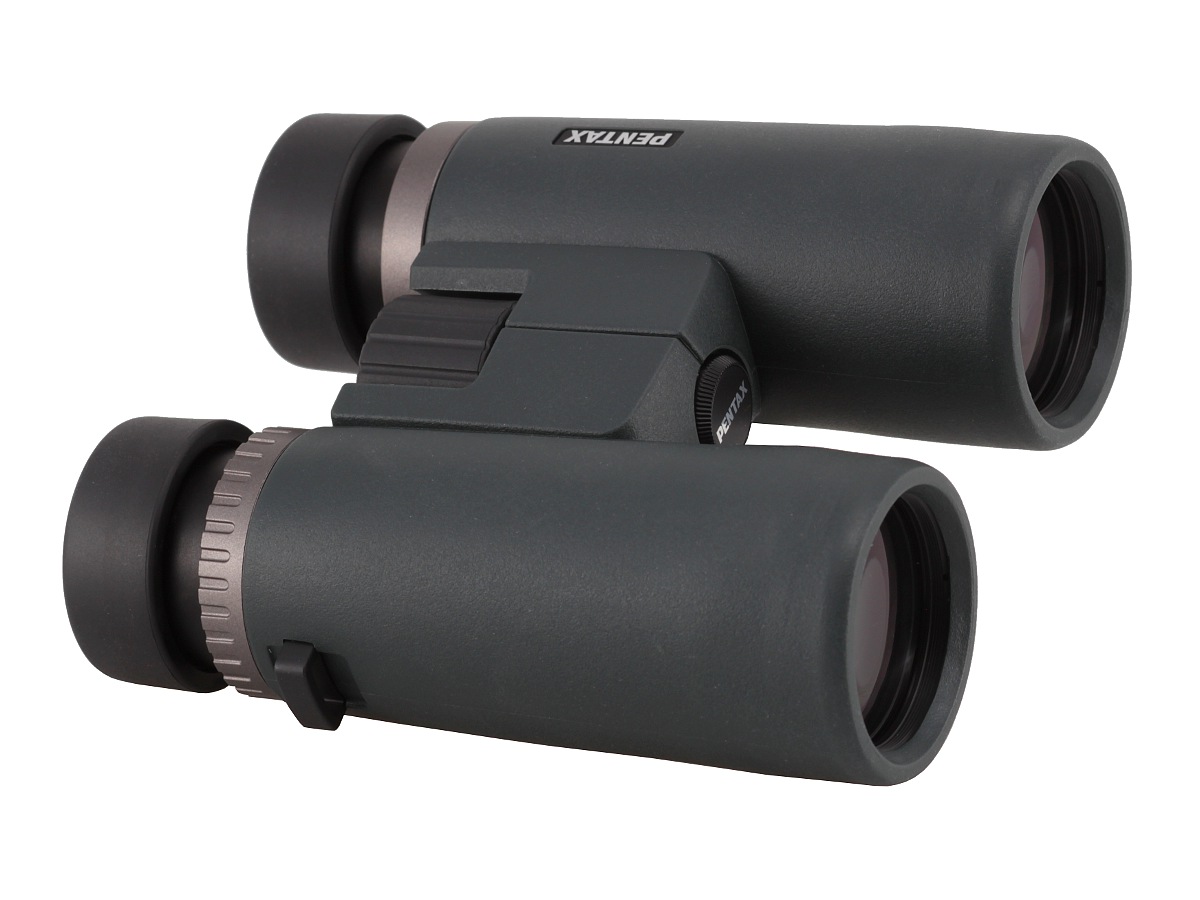
In April 2023 Pentax launched a small offensive when it comes to binoculars by presenting as many as four new models. In the AD series we saw small 7x32 and 10x32 instruments and the higher SD series was enlarged by other two models of 42 mm class, the Pentax SD 10x42 ED among them.
Pros:
Cons:
 |
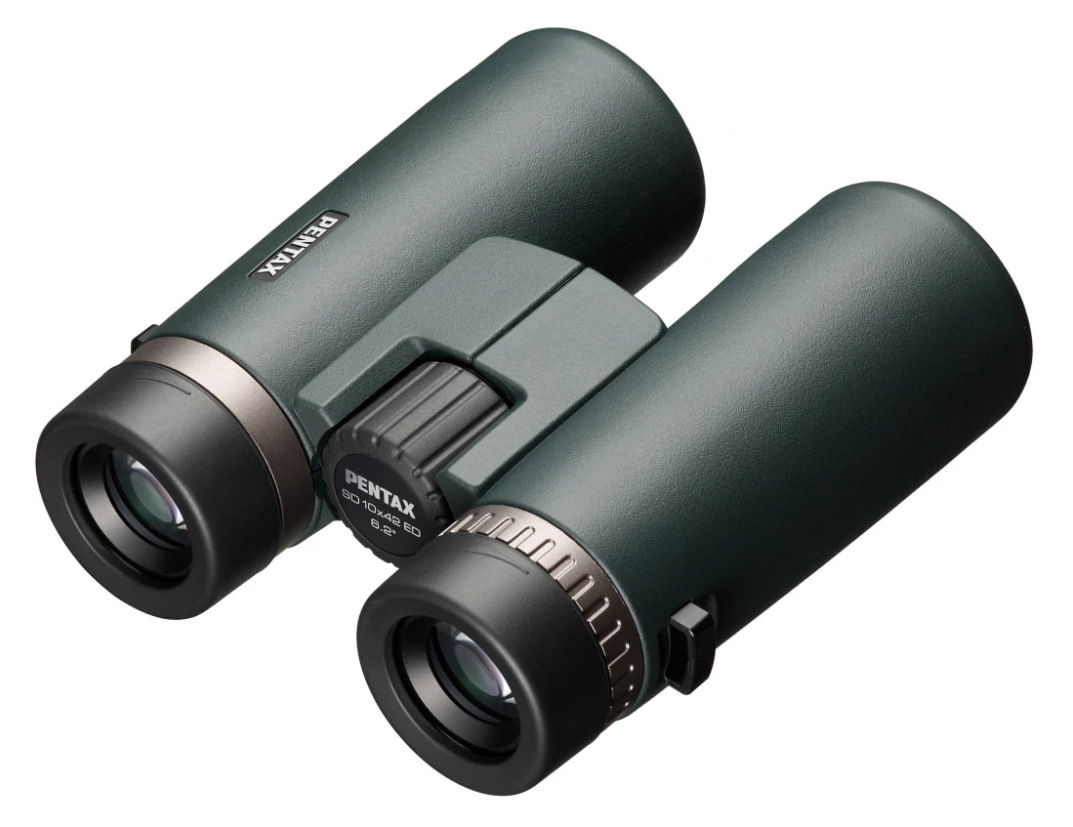 |
Buyers get in the set a soft pouch, a neck strap, objective caps that can be fixed to the binoculars, a rainguard, and a cleaning cloth. The binoculars come with 25-year warranty of the producer.
Pictures
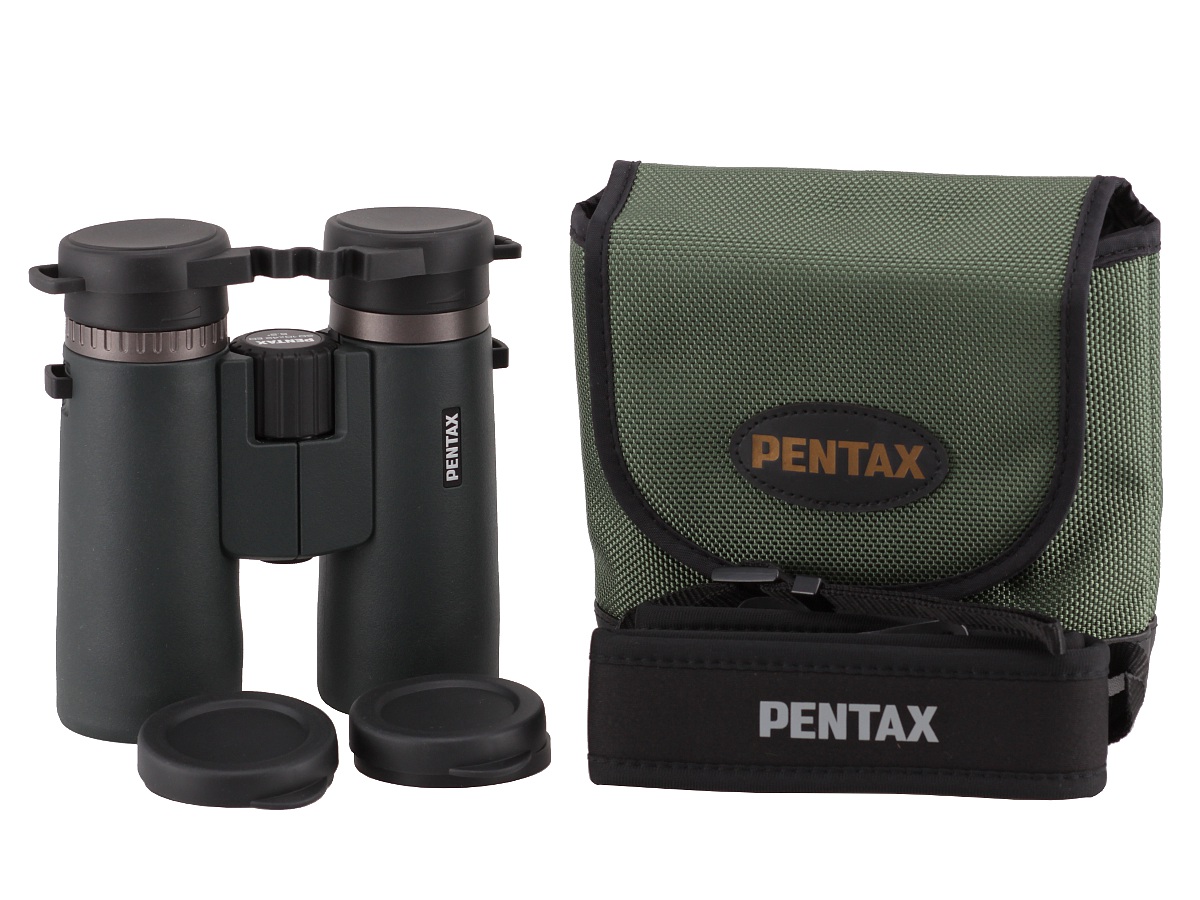
Manufacturer data


| Magnification | Lens diameter | Angular field of view | Prisms | Eye relief | Weight | Price |
|---|---|---|---|---|---|---|
| 10 | 42 | 108/1000(6.2o) | BaK-4/roof | 16 mm | 675 g | 1199 PLN |
Results of the review
| Real front lens diameter |
Left: 41.87+/-
0.05 mm Right: 41.9+/- 0.05 mm |
7.5 / 8.0 pkt | ||||
|---|---|---|---|---|---|---|
| Real magnification | 10.14+/- 0.05x | 3/3.0 | ||||
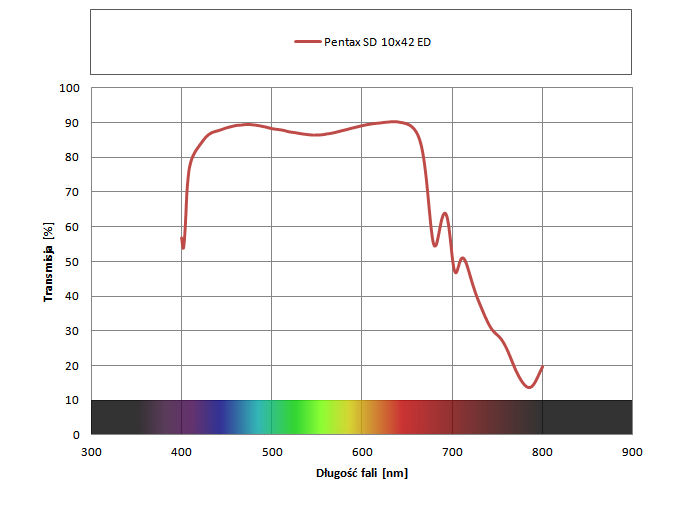
| Transmission | 87.3+/- 1% | 15/25.0 | ||||
| Chromatic aberration | Low in the centre, medium on the edge. | 6.5/10.0 | ||||
| Astigmatism | Decently corrected. Stars are sparkling but only slightly so. | 6.5/10.0 | ||||
| Distortion | Distance of the first curved line from the field of view centre compared to the field of view radius: 94% ± 3% | 10/10.0 | ||||
| Coma | Starts in a distance of about 75-80% field of view radius and is on the borderline of medium and low on the very edge. | 8.8/10.0 | ||||
| Blurring at the edge of the FOV | Blur occurs in a distance of 91% ± 3% from the field of view centre. | 8/10.0 | ||||
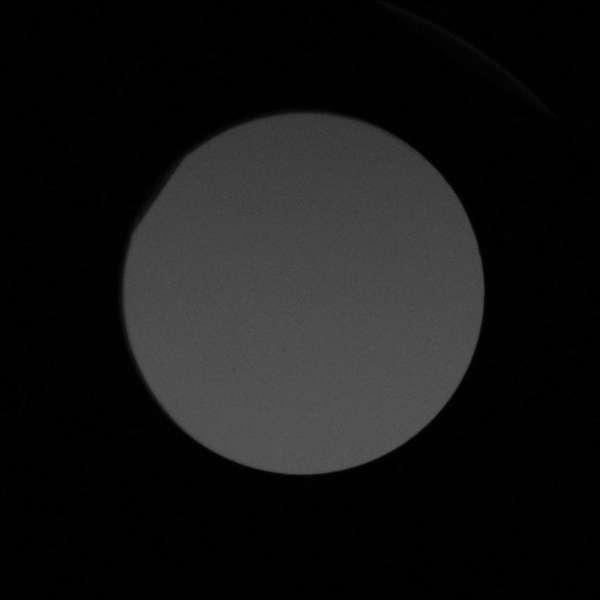
| Darkening at the edge the FOV | Medium. | 2.6/5.0 | ||||
| Whiteness of the image | Slight orange-red hue. Quite flat transmission graph with a slight dip for green light. | 4.2/5.0 | ||||
| Collimation | Perfect. | 5/5.0 | ||||
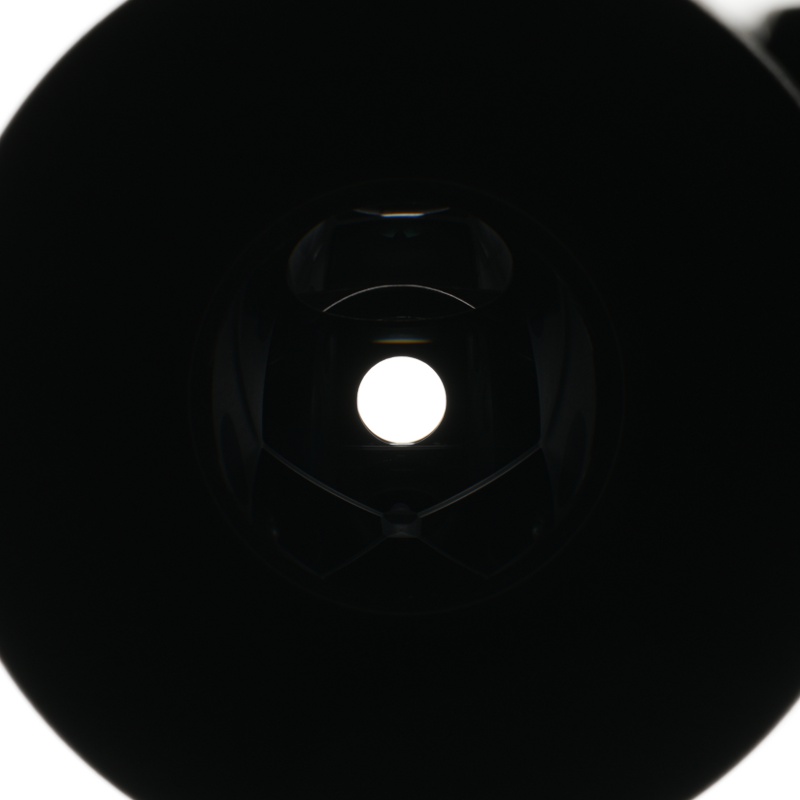
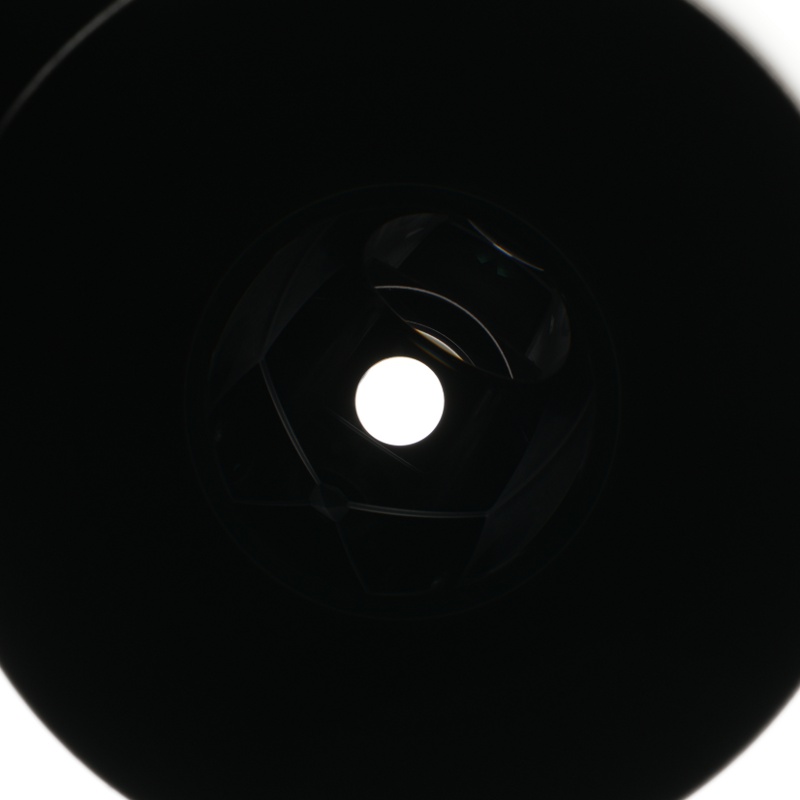
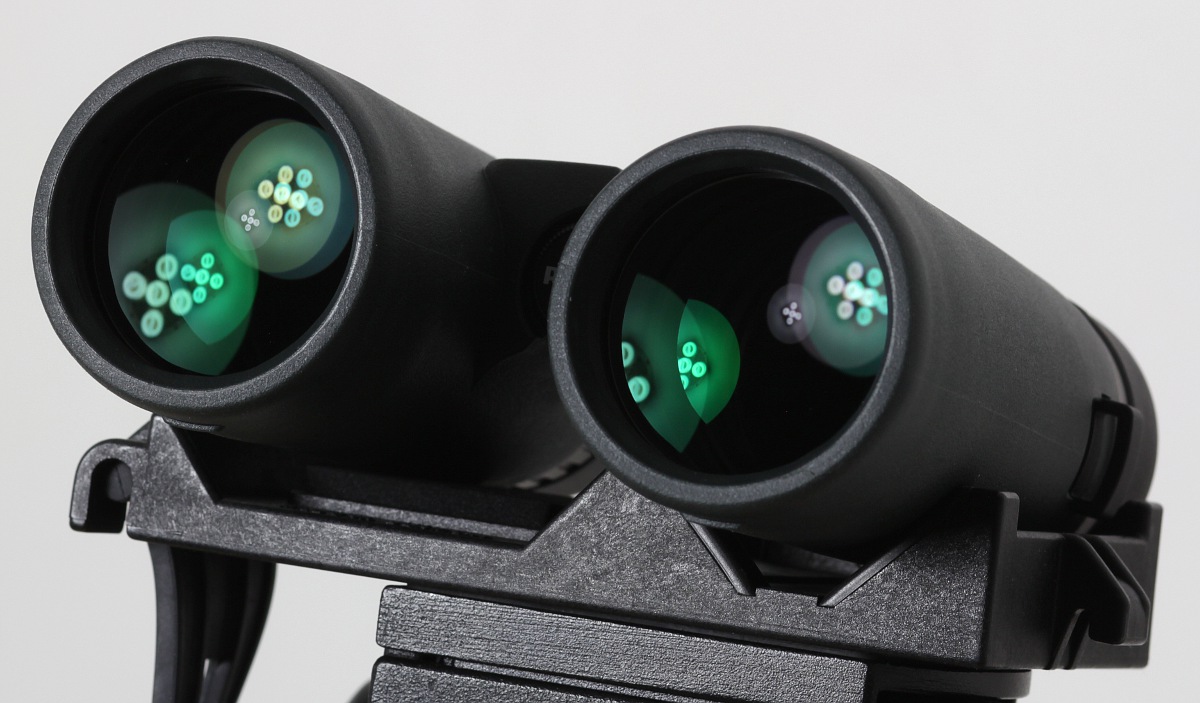
| Internal reflections |
|
4/5.0 | ||||
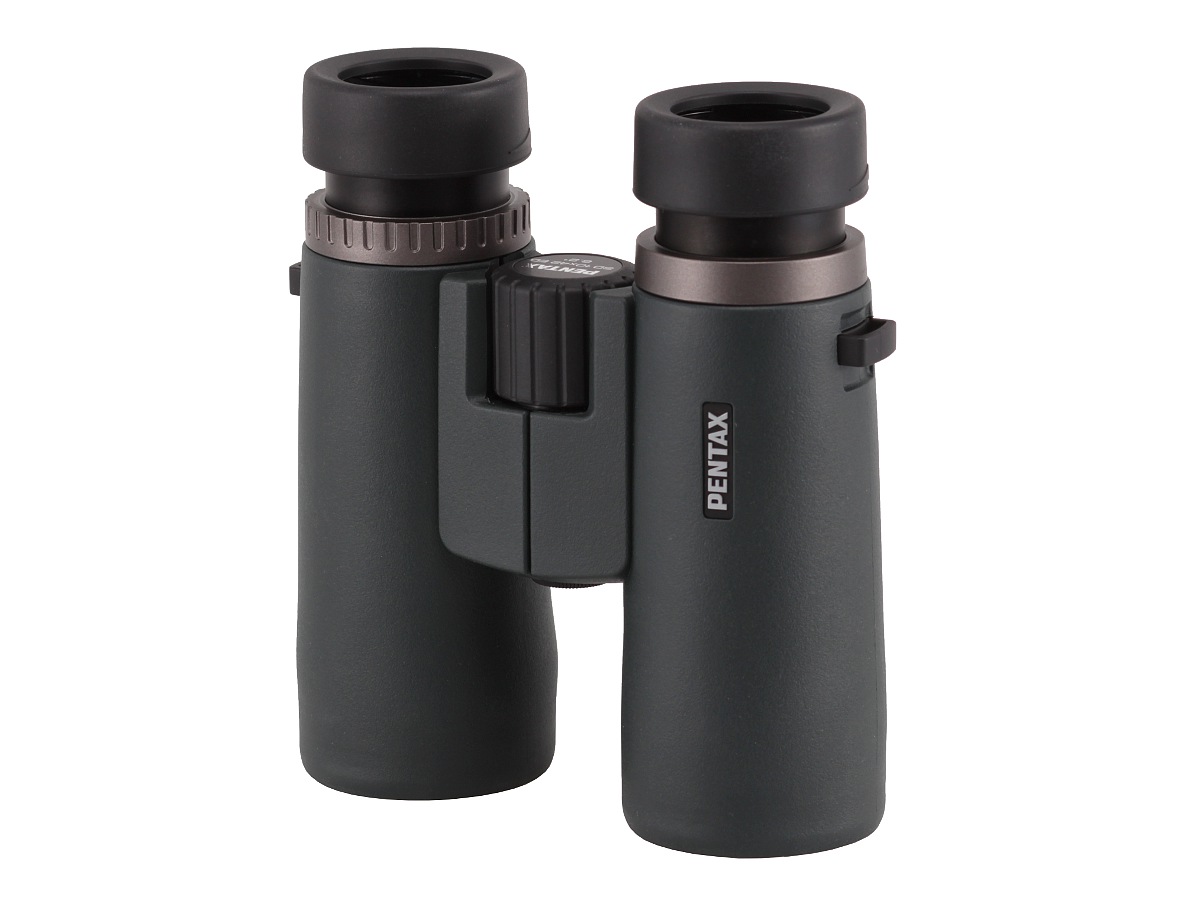
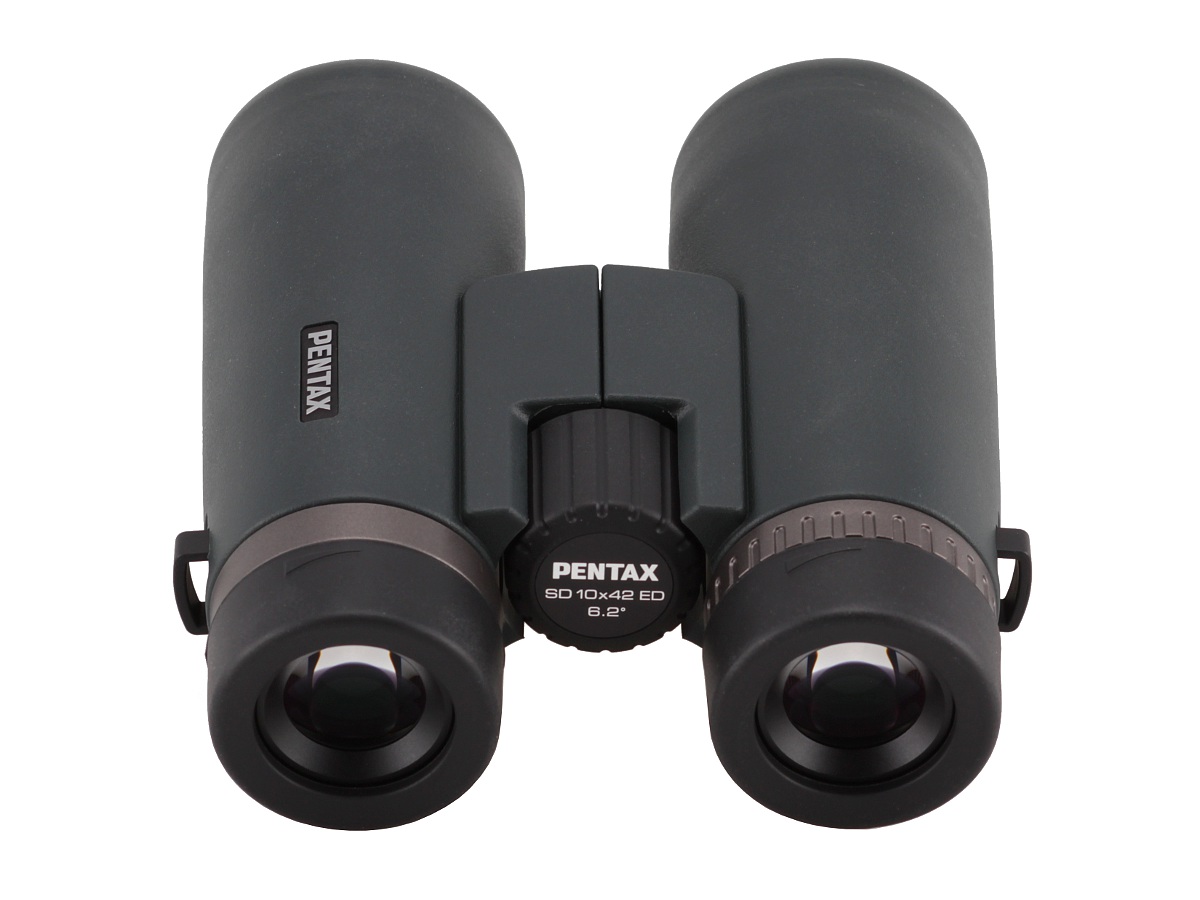
| Housing | Quite typical barrel for the 42 mm class when it comes to its dimensions and weight. The real weight amounts to 679 grams and is by and large in accordance with specifications. Good quality rubber armour, slightly rough but sticks to your hands quite well. The armour doesn't stick out but you can remove it easily near objective lenses. Rubberized eyecups 45 mm in diameter with three detention stops. Their diameter might be too big for many users – it's a pity they aren't shaped better. Produced in China. | 6.5/8.0 | ||||
| Focusing | A big, rubberized and ribbed central wheel. It moves smoothly and is properly damped. Running through the whole distance range needs a turn through an angle of as much as 1170 deg but you have to remember that the minimum focusing distance amounts here to 1.2 meters. Dioptre correction on the right eyepiece moves the outer element. | 4.5/5.0 | ||||
| Tripod | A quite comfortable access. | 3/3.0 | ||||
| Interpupilary distance | from 55.9 to 77.6mm | 5/6.0 | ||||
| Closest focusing distance | 1.20 meters. | 2/2.0 | ||||
| Eyepieces FOV | Apparent field of view of 61.8 deg (simplified formula) and 56.7 deg (tangent formula). | 11.5/20.0 | ||||
| Field of view | Measured by us amounted to 6.09 +\- 0.04 deg and was a tad narrower than stated in official specifications. A typical field for this class of equipment. | 6/8.0 | ||||
| Quality of the interior of the barrels | Inner tubes are dark gray, not completely matt and smooth. Significant ribbings on the sleeve with a focusing element. The bottom of the prisms is dark gray. Very clean. | 4.2/5.0 | ||||
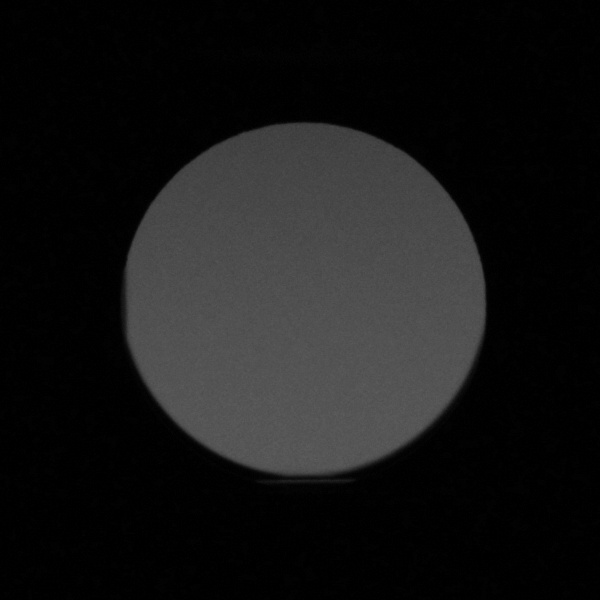
| Vignetting |
|
6/8.0 | ||||
| Prisms quality | High quality BaK-4. | 8/8.0 | ||||
| Antireflection coatings | Green on objectives and prisms, green-purple on eyepieces. Medium intensity. | 4.5/5.0 | ||||
| Warranty [years] | 25 | 5/6.0 | ||||
| Final result | 77.5% | 147.3 / 190 pkt | ||||
| Econo result | 0pkt. |
Summary
Pros:
- stylish, solid, and waterproof casing,
- good transmission,
- sharp images almost across the whole field of view,
- sensible white balance,
- decently corrected astigmatism,
- slight chromatic aberration in the field centre and a tad lower than average on the edge,
- exemplary coma correction,
- invisible distortion,
- sharp images already from 1.20 meters,
- proper blackening and cleanliness inside the tubes,
- high quality prisms made of BaK-4 glass,
- very good price performance ratio.
Cons:
- too big eyecups.
 |
 |
 |
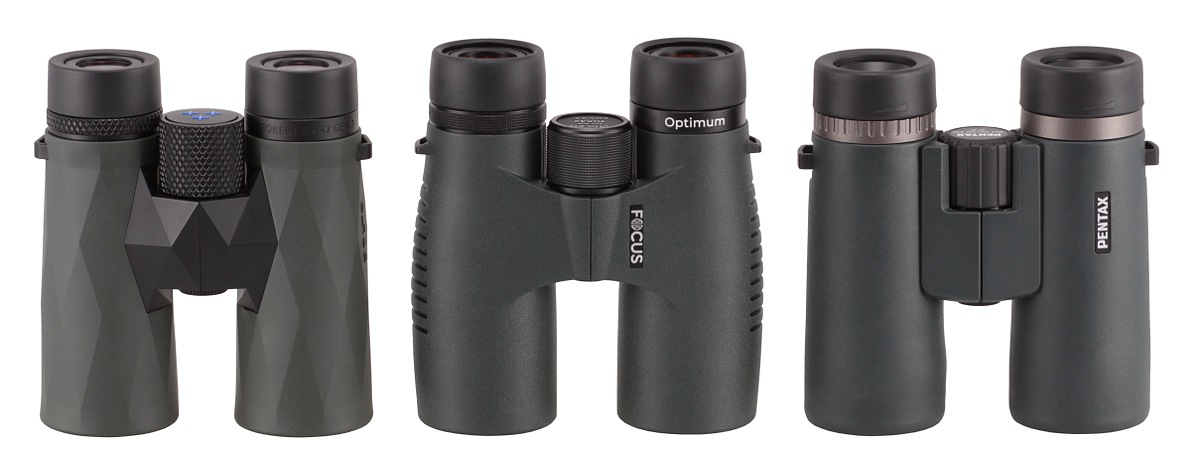 Delta Forest 10x42 ED Gen3, Focus Nordic Optimum 10x42 ED VHG i Pentax SD 10x42 ED. |