| Real front lens diameter |
Left: 30+/-
0.05 mm
Right: 30+/-
0.05 mm
|
8 / 8.0 pkt |
| Real magnification |
8.09+/-
0.05x
|
3/3.0 |
| Transmission |
89.4+/-
1%
|
17/25.0 |
| Chromatic aberration |
Low in the centre, significant on the edge. Still, both on the edge and in the centre there is some progress compared to the predecessor. |
5.8/10.0 |
| Astigmatism |
Very low. |
8.2/10.0 |
| Distortion |
Distance from the first curved line from the field centre compared to the field of view radius: 95% ± 3% |
10/10.0 |
| Coma |
Starts near 75-80% of the field of view radius and is slight on the very edge of the field of view. |
8.8/10.0 |
| Blurring at the edge of the FOV |
Blurr occurs in a distance of 89% ±3% from the centre of the field of view. |
8/10.0 |
| Darkening at the edge the FOV |
Negligible. |
4.4/5.0 |
| Whiteness of the image |
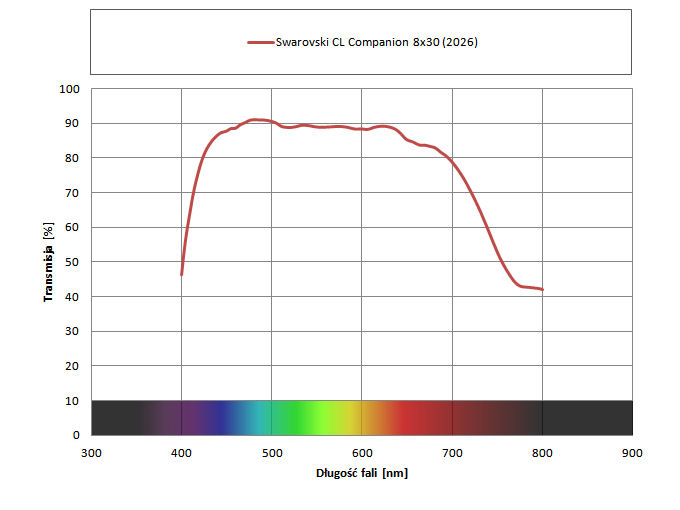
A very surprising colouring for a pair of binoculars from Swarovski Optik – you can notice slight warming of images with yellow and green hues. The images of the predecessors were a bit more neutral, with traces of blue. The transmission graph still shows a slightly accented peak for blue but it is quite flat and values reached for the longer wavelengths are not significantly lower. There is also a more distinct loss of purple light than in the case of the predecessor and NL Pure models.
|
4.6/5.0 |
| Collimation |
Perfect. |
5/5.0 |
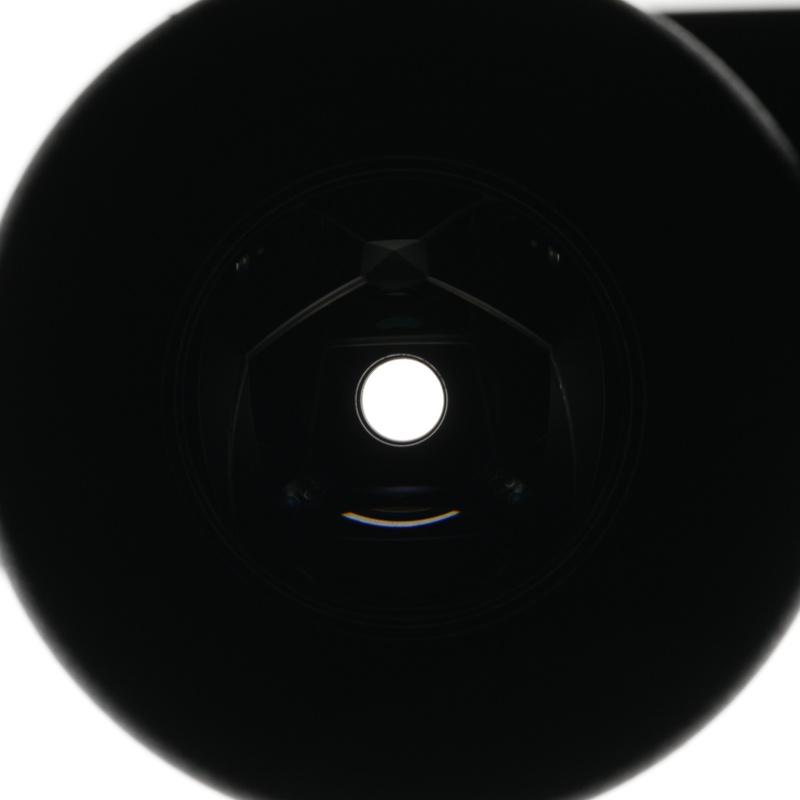
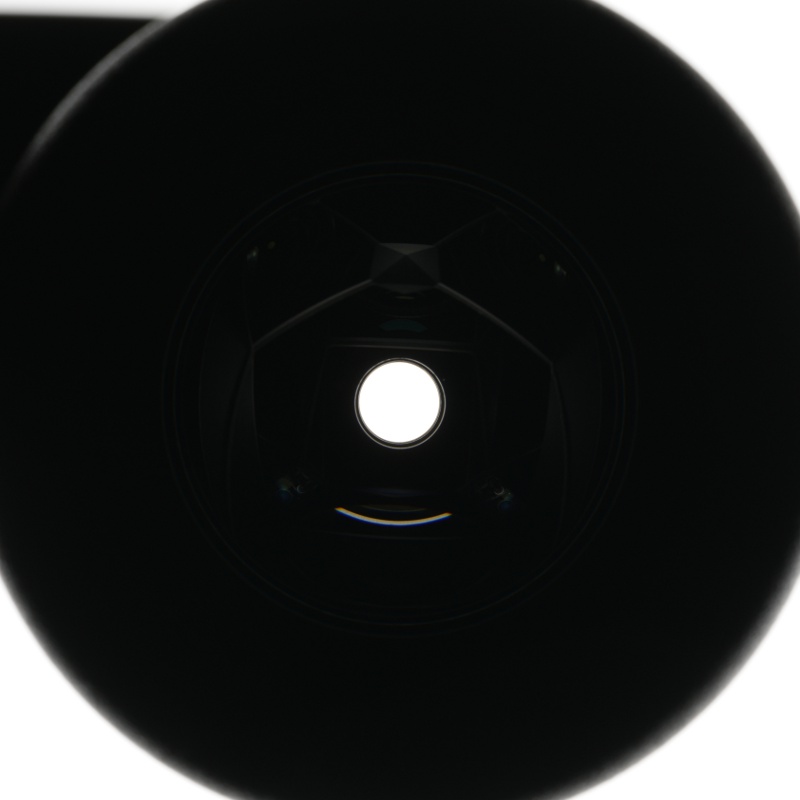
| Internal reflections |
| Left: |
Right:
|
 |
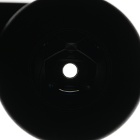 |
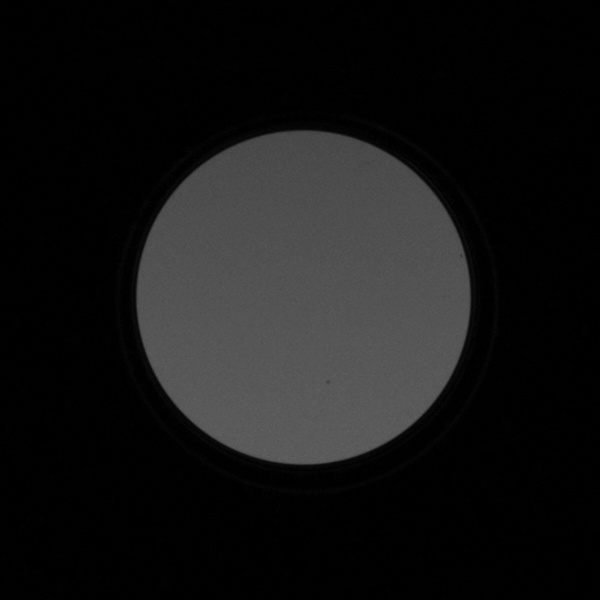
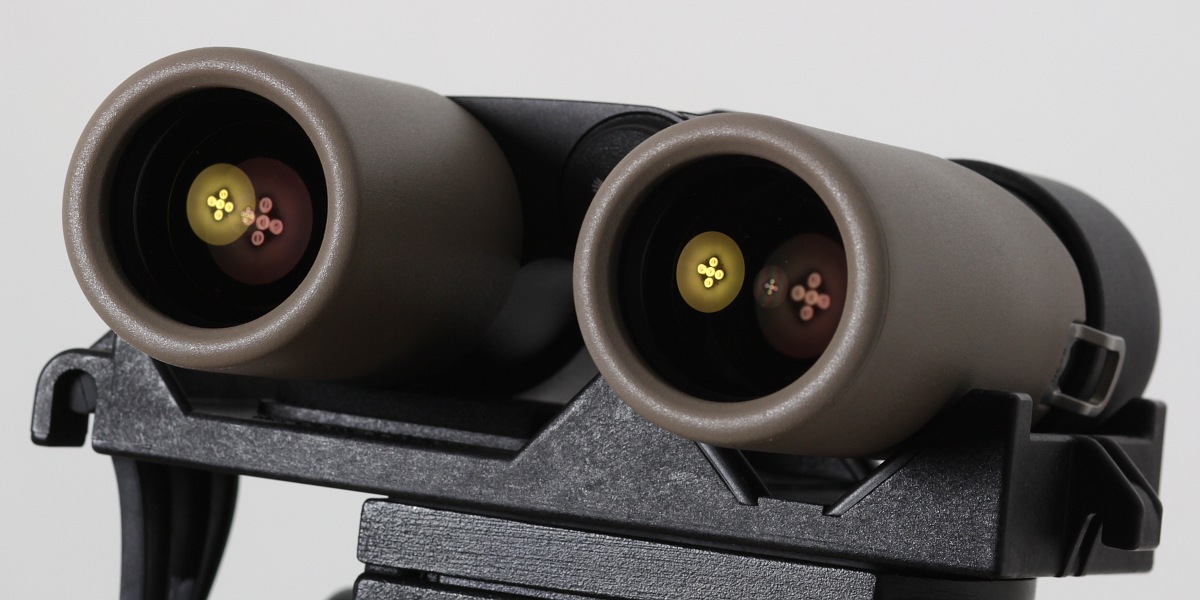
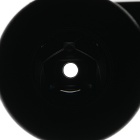
Areas near pupils are dark, without any brightening and lighter parts. The only thing we noticed was a small arc under the pupil. A noticeable contrast loss when it comes to the performance against bright light.
|
2.8/5.0 |
| Housing |
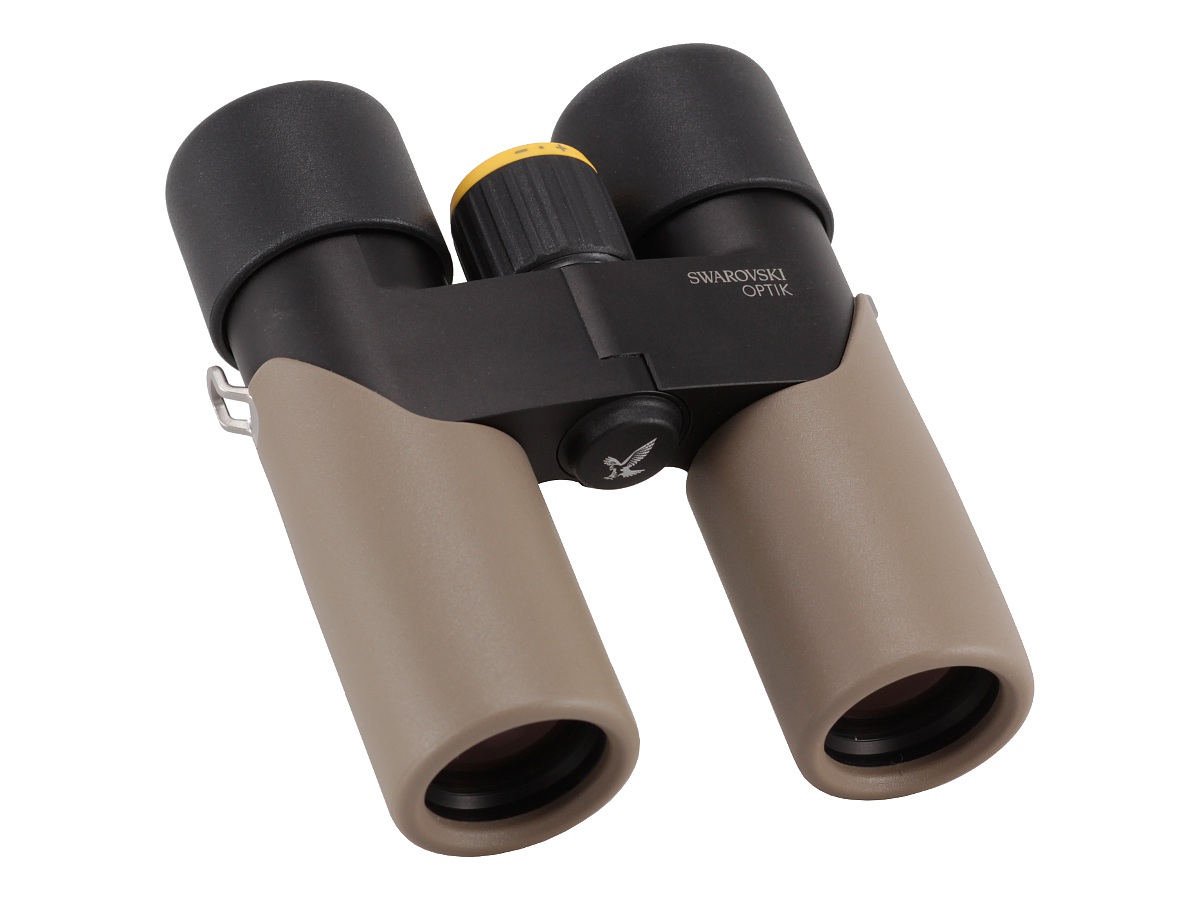
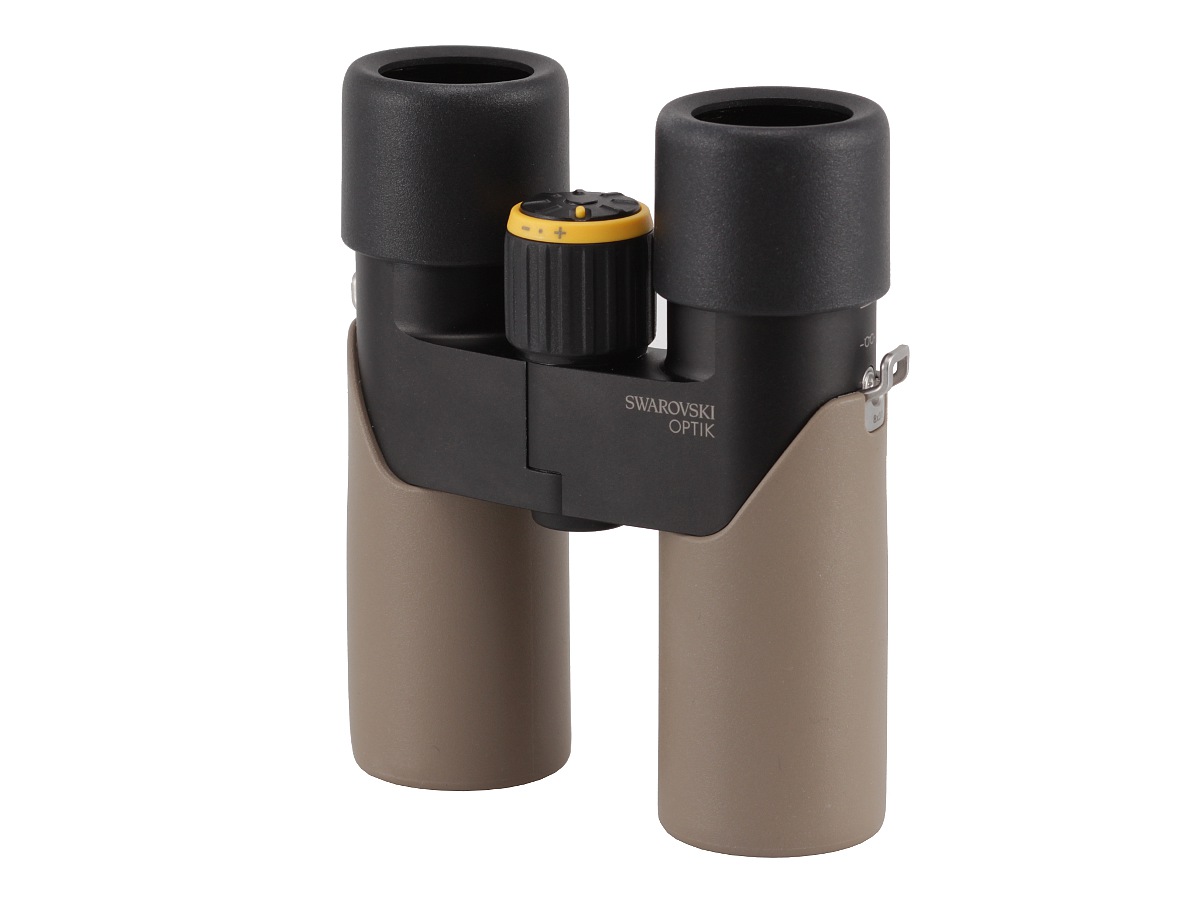
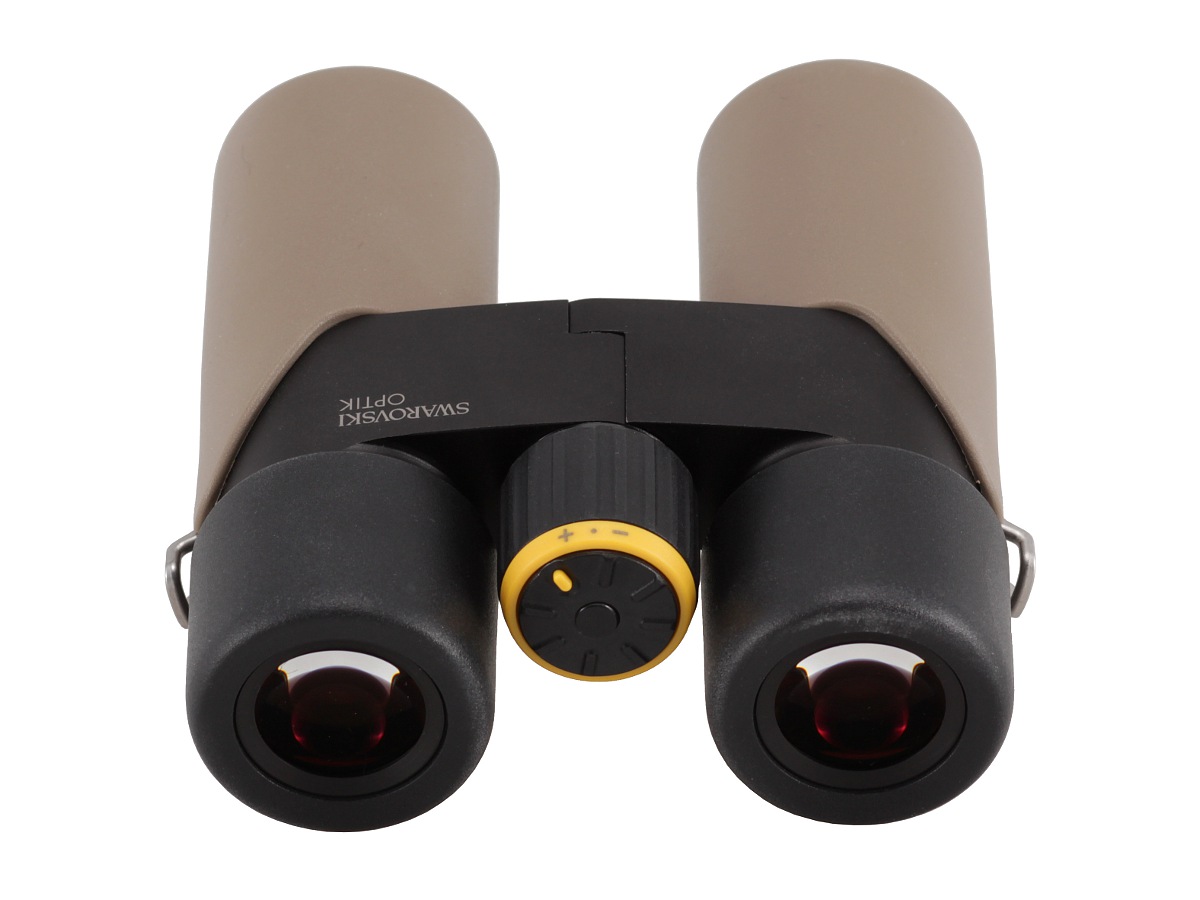
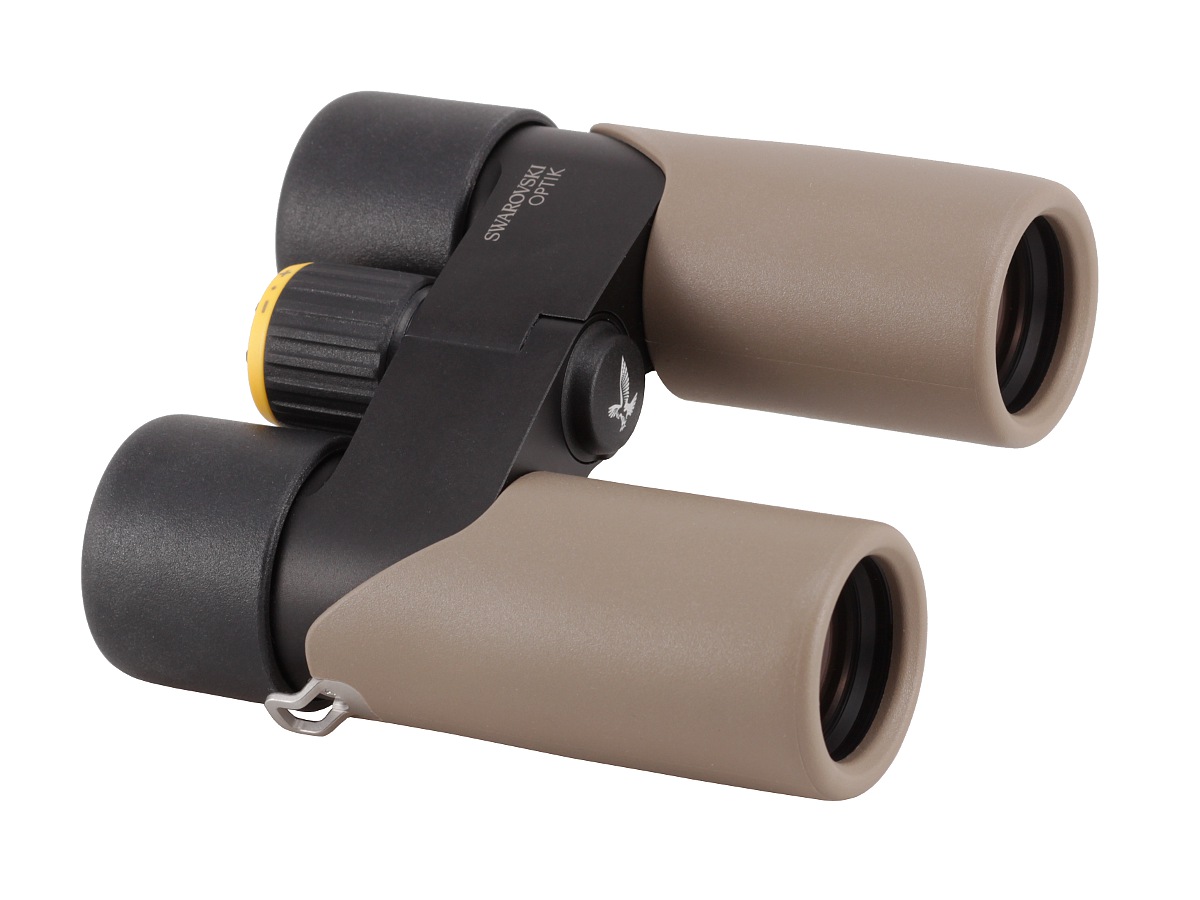
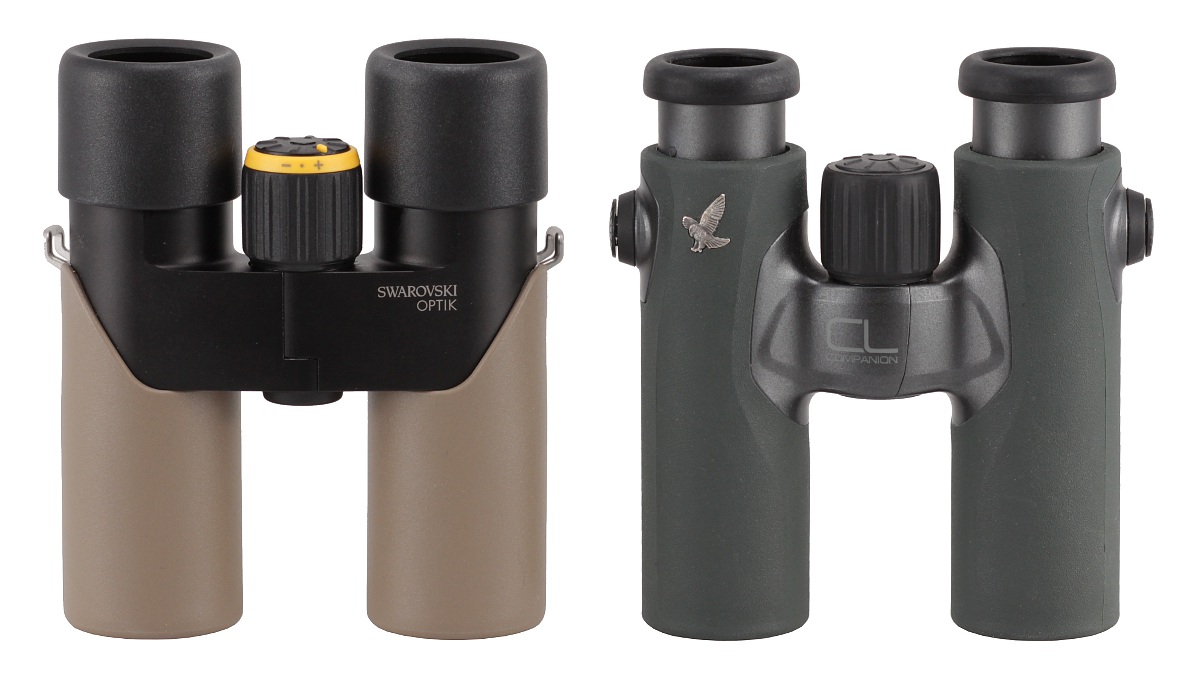
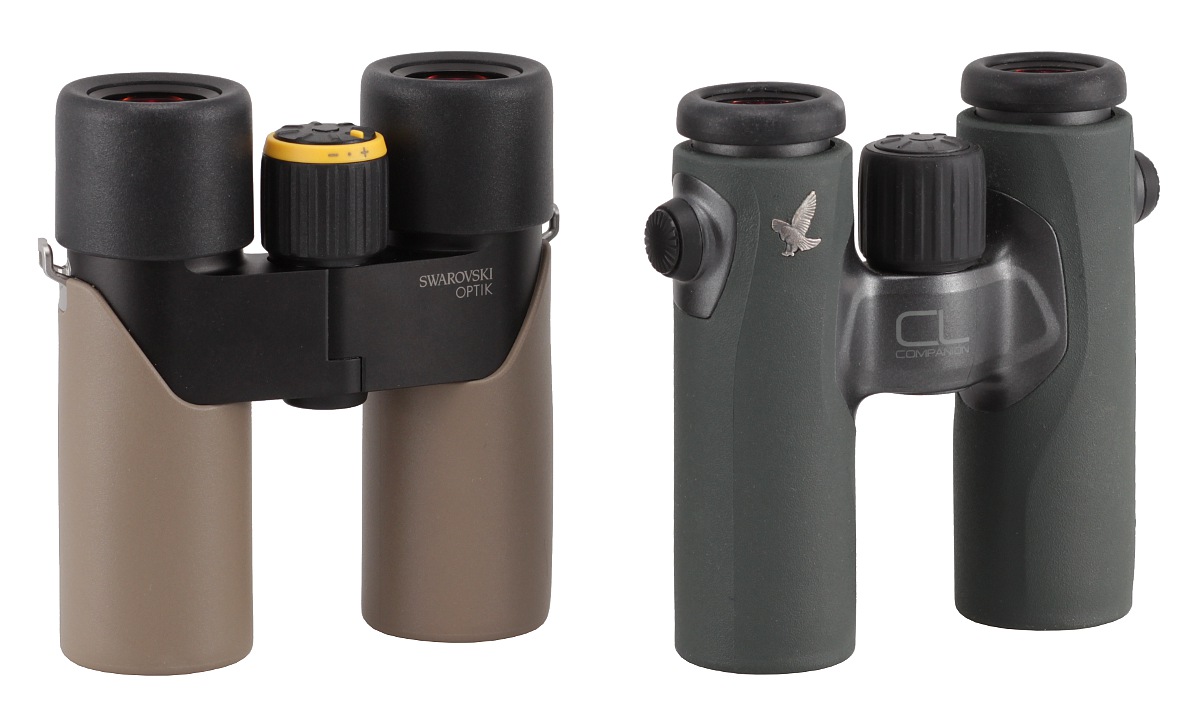
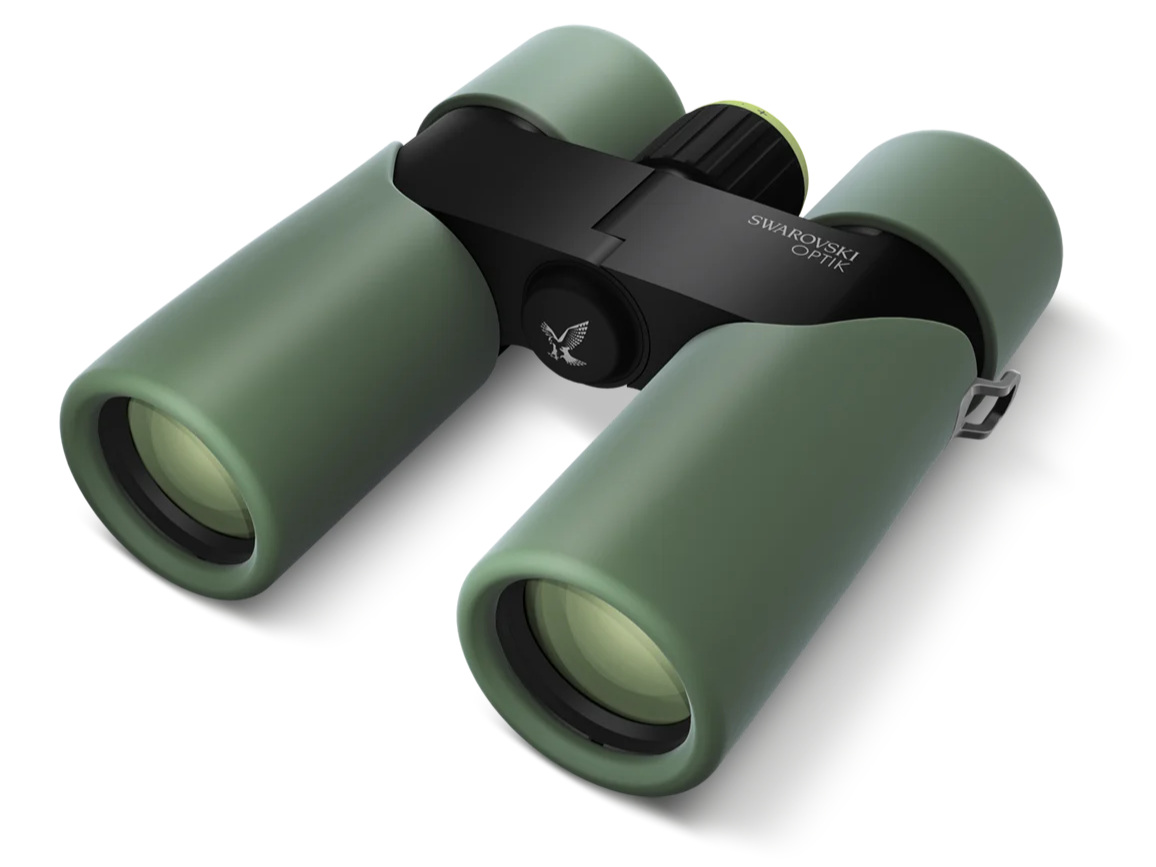
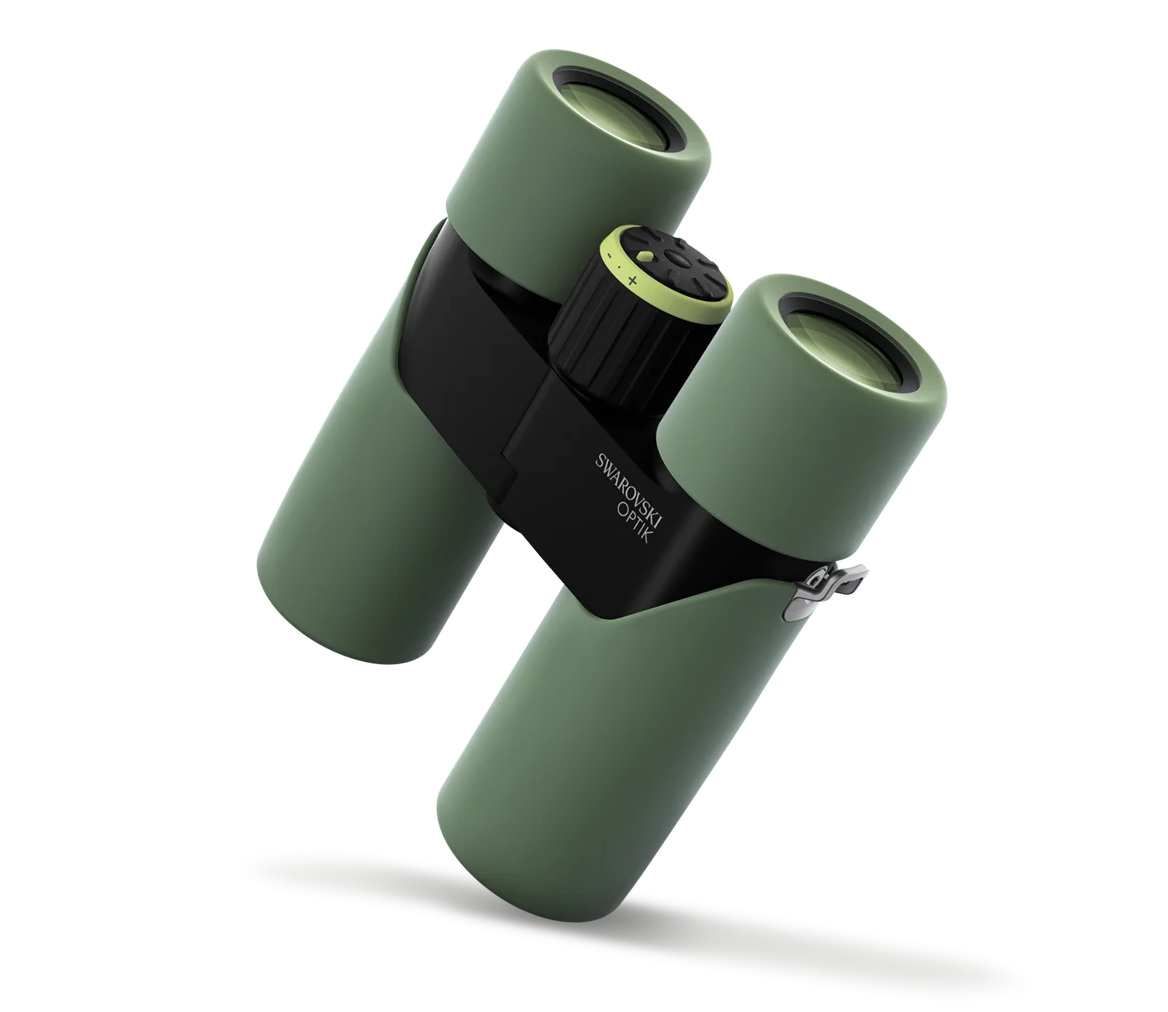
When it comes to weight, the new model, according to official specifications, is 60 grams heavier than its predecessor. In reality the difference is even bigger, amounting, to 80 grams. Why? The real weight of the previous version is 478 grams and the new device weighs 558 grams. The barrel is quite big for the 30 mm class – seems to be more massive than in reality. Still it is comfortable to hold and to look through. The predecessor has convenient thumb indents and here you can't find them. Matt rubber armour is not slippery and sticks to your hands very well. Rubberized eyecups with smooth regulation have a significant diameter, that of 43 mm (the predecessor featured one 37 mm in diameter). Nothing sticks out anywhere. Made in Austria.
|
8/8.0 |
| Focusing |
Normally sized central wheel that moves evenly with slight but still acceptable resistance. The full turn amounts to an angle of 550 deg. Individual focusing available when you press the middle of the wheel. Nothing moves outwardly. No reservations whatsoever.
|
5/5.0 |
| Tripod |
Lack. In our 8×32 test all pairs of binoculars get an average value of 1.5 points., as a tripod socket is rarely used in this class of equipment. |
1.5/3.0 |
| Interpupilary distance |
from 53.7 to 74.3mm
|
5/6.0 |
| Closest focusing distance |
2.70 meters. A result even weaker than the one of the predecessor. |
1/2.0 |
| Eyepieces FOV |
Eyepieces with an apparent field of view amounting to 64.6 deg (simplified formula) and 58.9 deg (tangent formula). |
13.5/20.0 |
| Field of view |
Measured by us amounted to 7.99 +/- 0.03 deg and is in perfect accordance with the field stated in official specifications. A significant field for this class of parameters. |
6.5/8.0 |
| Quality of the interior of the barrels |
Inner tubes and dark and matt but smooth, without any ribs. The bottom is dark gray near the prisms. The casing of focusing element is a tad les shiny than in the case of the predecessor. Very clean. |
4.5/5.0 |
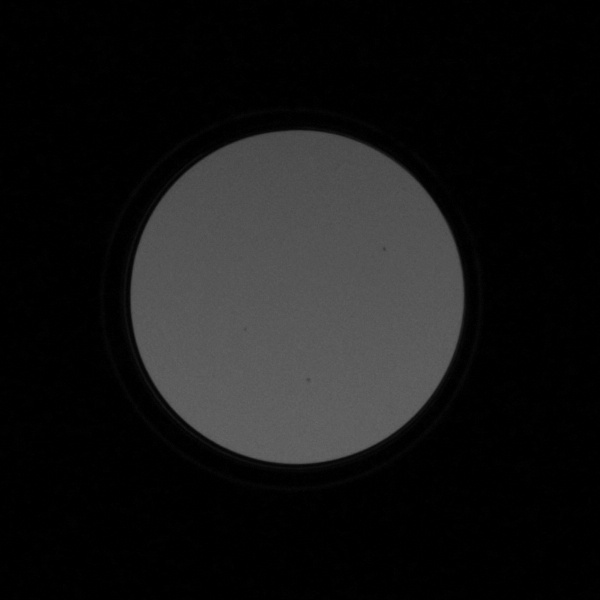
| Vignetting |
| Left: |
Right:
|
 |
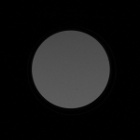 |
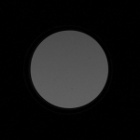
OL: 0.55%, OR: 0.43%. |
7/8.0 |
| Prisms quality |
High quality BaK-4. |
8/8.0 |
| Antireflection coatings |
Orange-pink-greenish on objective lenses, yellow-green on the prisms, green-yellow-pink on eyepieces. Low intensity. |
5/5.0 |
| Warranty [years] |
10 |
4.5/6.0 |
| Final result |
81.6%
|
155.1 / 190 pkt
|
| Econo result |
|
0pkt. |
Summary
Pros:
- solid casing,
- very good transmission, in perfect accordance with official declarations,
- excellent colour rendering,
- sharp images in the majority of the field of view,
- properly corrected astigmatism,
- slight chromatic aberration in the centre of the field of view,
- negligible distortion,
- low coma on the edge of the field of view,
- proper blackening and cleanliness inside the tubes,
- excellent quality of coatings,
- high quality prisms made of BaK-4,
- round pupils against a relatively dark background.
Cons:
- noticeable chromatic aberration on the edge of the field of view,
- some problems with the performance against bright light,
- sharp image only from 2.7 meters.
As we've already mentioned in the introduction, there is a clear progress between the first and the second series of CL Companion 8x30 binoculars. The field of view was enlarged, the eye relief distance increased, and the weight went down. A passage from the second generation to the third is not so spectacular. Once again the field of view is enlarged, along with the eye relief distance but physical dimensions and the weight had to be increased – as a result the new model weighs 80 grams more. It's also a pity that the producers didn't take proper care of the minimum focusing distance, that in official specifications remains on a level of 3 meters and in reality amounts to 2.7 meters. It is a very mediocre value, lagging visibly behind the results of 8x30/8x32 class rivals.
The increase of weight is rather objective and we won't discuss it any further. When it comes to physical dimensions, however, we can present our subjective reflections. They steem from the change of eyecups – in the new model they ovrelap the tubes of the binoculars and make the whole instrument to look bigger. In case of the predecessor the tubes of the eyecups were smaller than the tubes of the binoculars and they extended forward. As a result the whole binoculars looked more shapely and dainty.
The following chart presents a comparison between the tested model and its potential rivals. The Zeiss SFL 8x30 is a really strong opponent. Both models cost about 1500 USD but the Zeiss is smaller, lighter, with a tad wider field of view and a minimum focusing distance of 1.5 of a meter. The only advantage of the new Companion consists of a bit better eye relief distance.
Leica's line-up doesn't feature any 8x30 class model but their Ultravid HD+ 8X32 is still a very small model, weighing 15 grams less than the Swarovski. It features a narrower field of view and eye relief distance and is also almost 1000 USD more expensive. I don't think it is able to steal away many customers.
The competition in the form of the Monarch HG seems quite strong, as it is the lightest binoculars in this lineup and boasts the widest field of view to boot. As if that weren’t enough, it can be purchased for around 800-1000 USD, making it almost twice as cheap as the Swarovski.
The Kite Lynx HD+ 8x30 has also a lot to offer – it is smaller and lighter than the Companion, it also features the wider field of view and the lowest price, reaching 700 USD. Of course these are just dry data from the specifications, ink is cheap, we are more interested in a real performance. Let's start from the antireflection coatings and transmission.
Swarovski Optik is known for their excellent quality of antireflection coatings that, in some places, consist of even 120 layers and are able to eliminate the loss of light on one air-to-glass surface to just 0.2%. As a result the producer declares that the overall transmission of the new Companion reaches 90%.
When you glance at the outer elements you have to admit the coatings look exceedingly well. Very dim, colourful reflections of low intensity suggest that the majority of light enters the binoculars and just a fraction is actually reflected.
The transmission graph proves that the producers didn't lie in their specifications. A transmission level of 90% or even higher can be found in a range from 470 to 505 nanometers, with the maximum result of 91.1%.
At the same time the performance at the shortest wavelengths is a bit different from the usual Swarovski results. You can't find here any extremally high results in blue and purple light, so the images don't feature cold, bluish hues, they are warmer, a tad more yellow. In my opinion it is a good change because personally I prefer warmer images.
In other testing categories the results of the Swarovski are by and large very good or excellent with two exceptions. First, you have no problems with noticing chromatic aberration on the edge of the field of view. Of course you should add that the rivals, mentioned above, fare hardly better, and the predecessor performed even weaker despite a narrower field of view.
The performance against bright light is another problem. I admit it is a very difficult category for small binoculars with short tubes because they simply lack place for additional apertures and baffles. In this category Swarovski binoculars have never exactly stood out in a positive way and the CL Companion is not an exception. It loses the duel with the Zeiss SFL in a very definite manner.
Despite all these flaws the final score in our test is very high, exceeding 155 points. It puts the new CL Companion in the top of
our 8x30/8x32 class ranking.
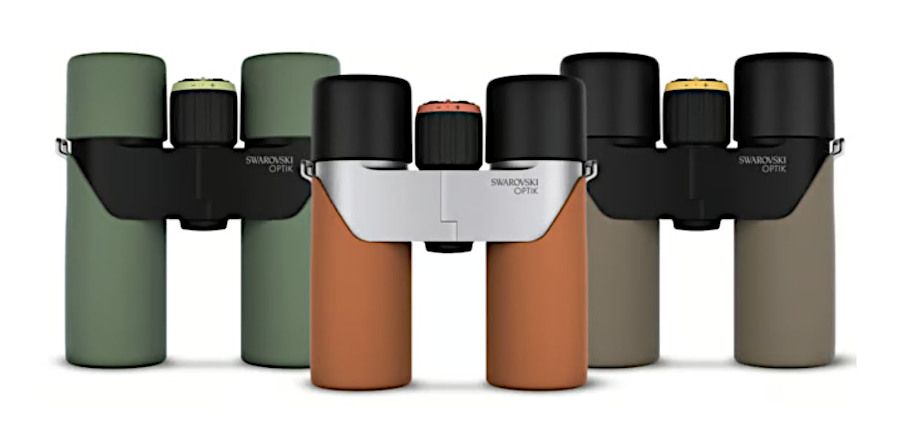
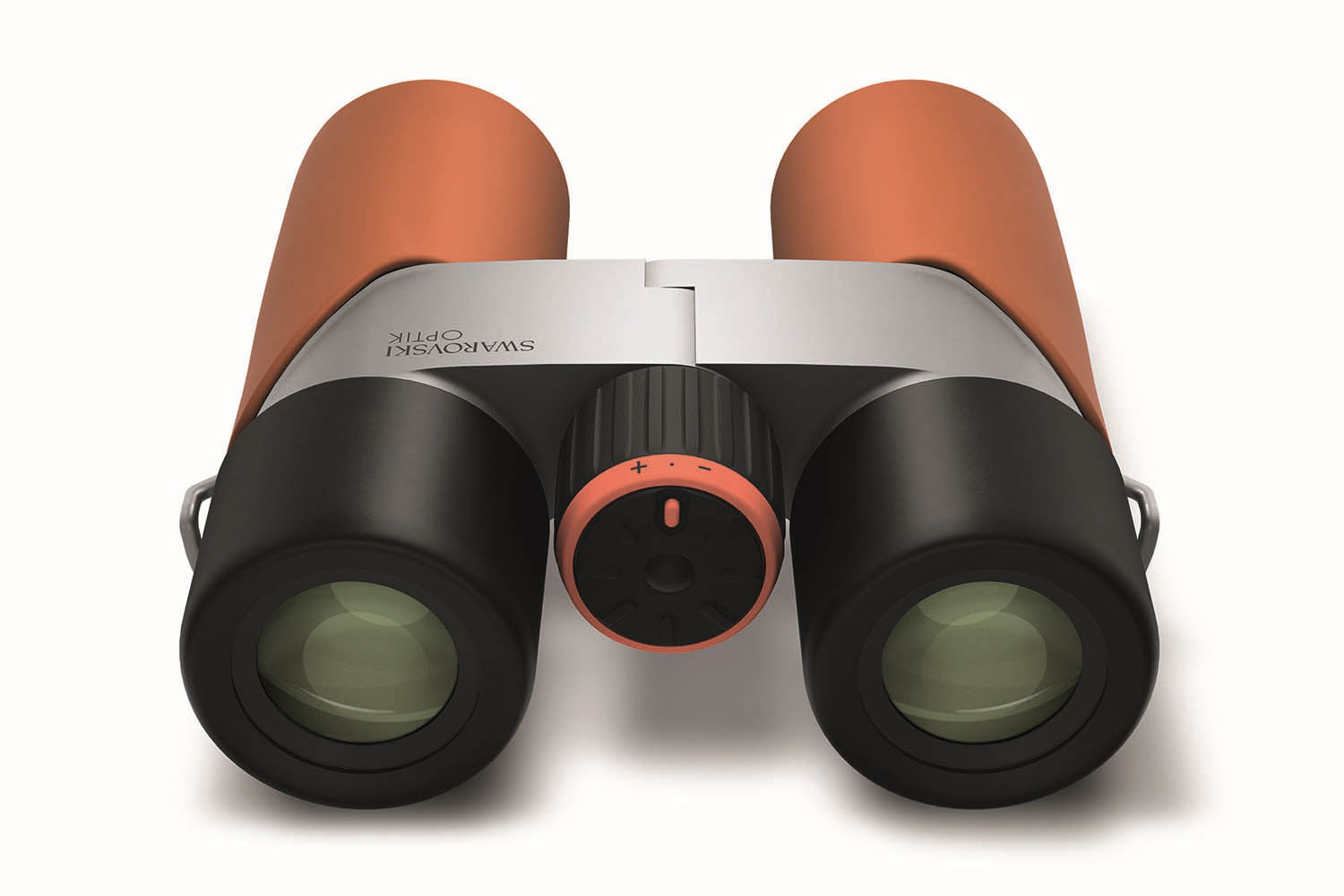
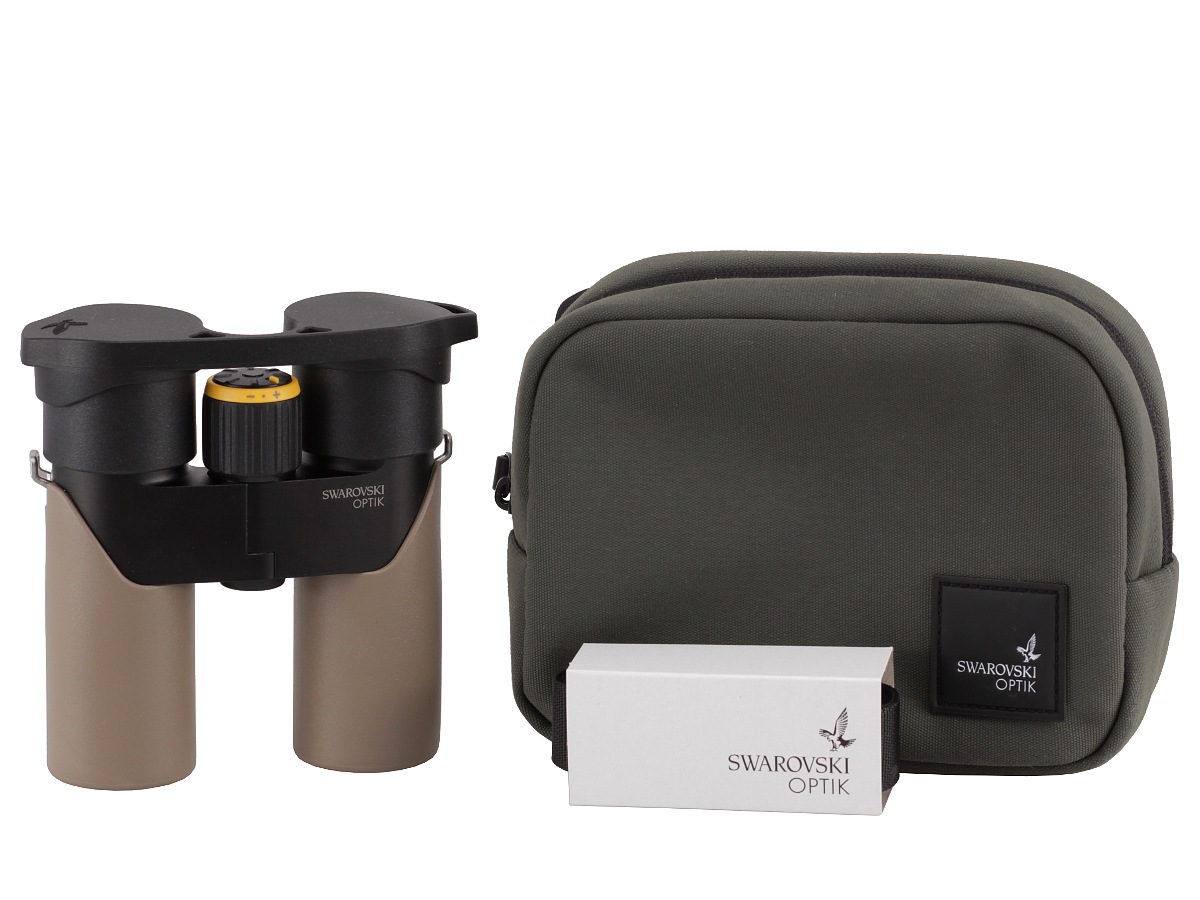
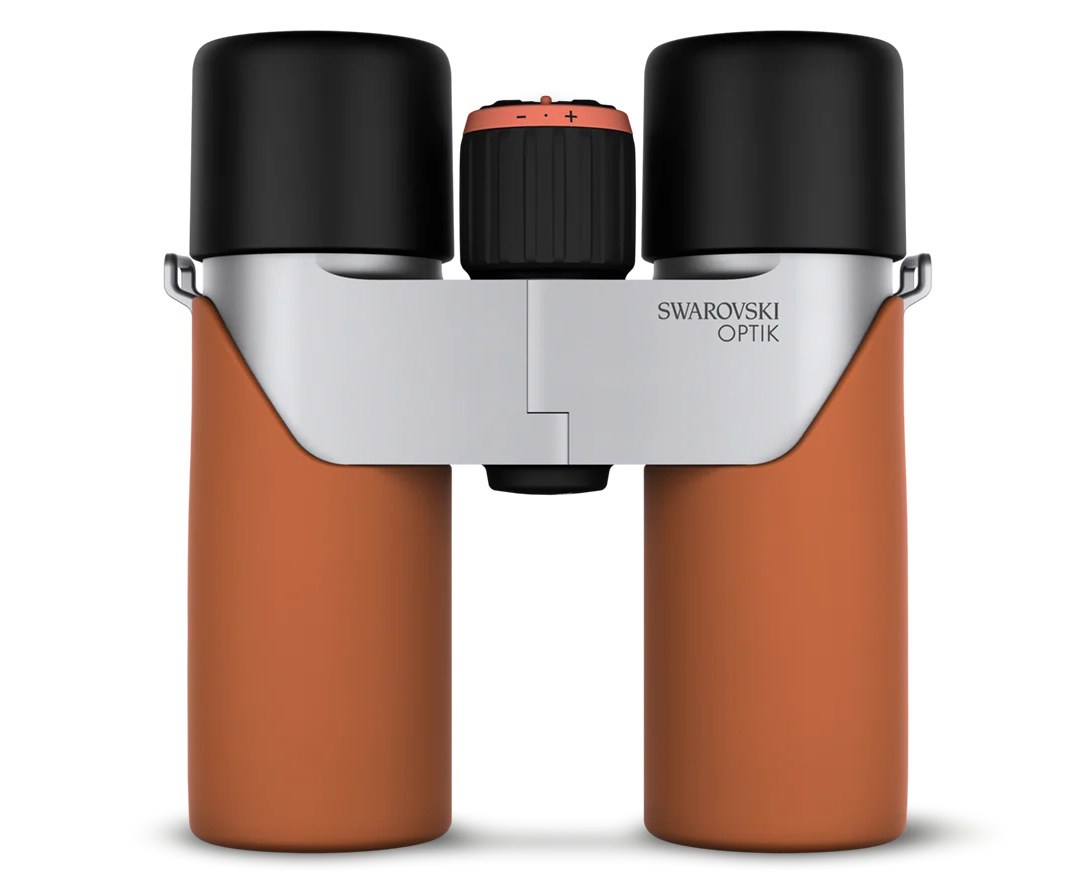
At the end we can also mention bold colouring and design of the new Swarovski models. It's obvious very stylish but mostly green or very toned down projects of the predecessors, EL and NL Pure models have been abandoned. Personally I have nothing against classics but I understand this decision. The new, colourful Companions enlarge their line-up and they are supposed to draw in new, younger customers, that are certainly less conservative than such an old geezer as me. I think the more young people come into contact with good optics the better so I keep my fingers crossed.