


Focus Nordic Optimum 8x32 ED VHG
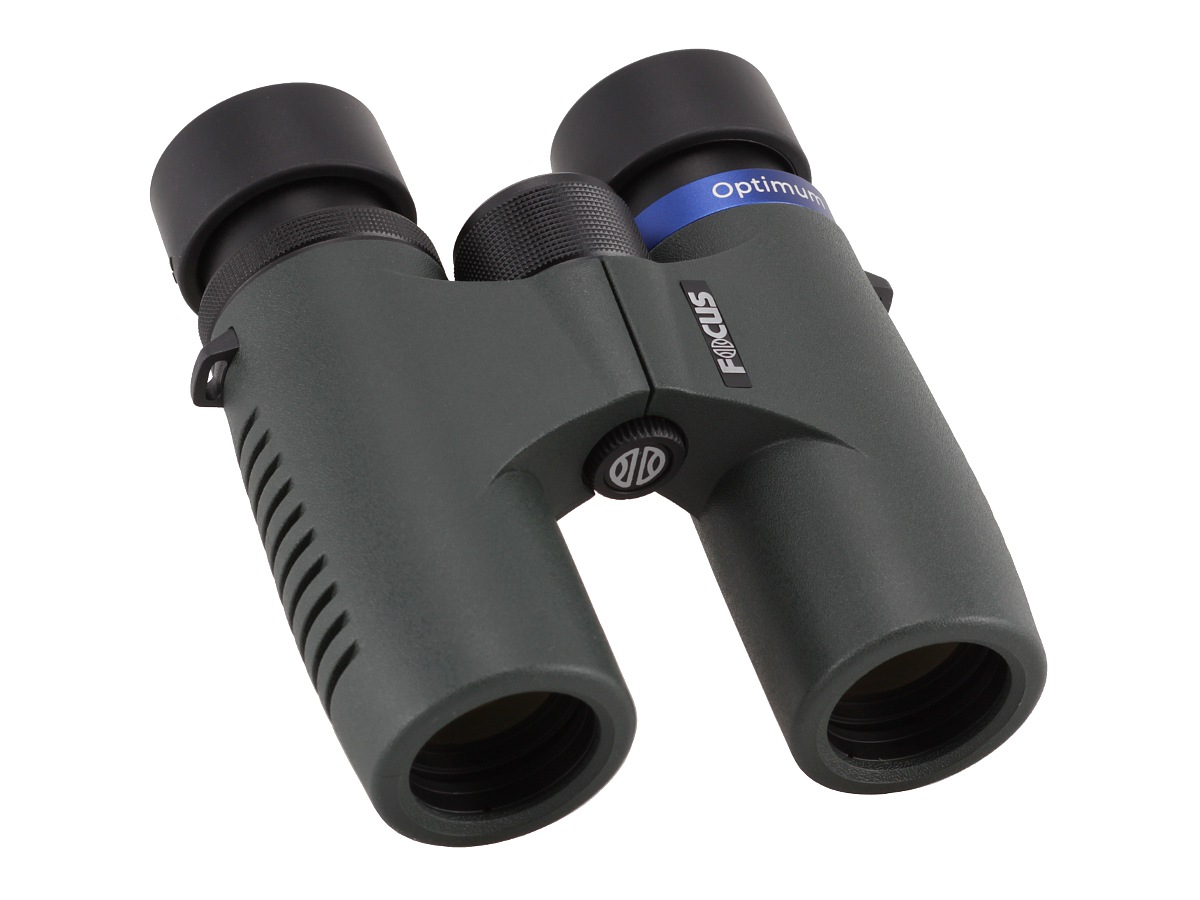
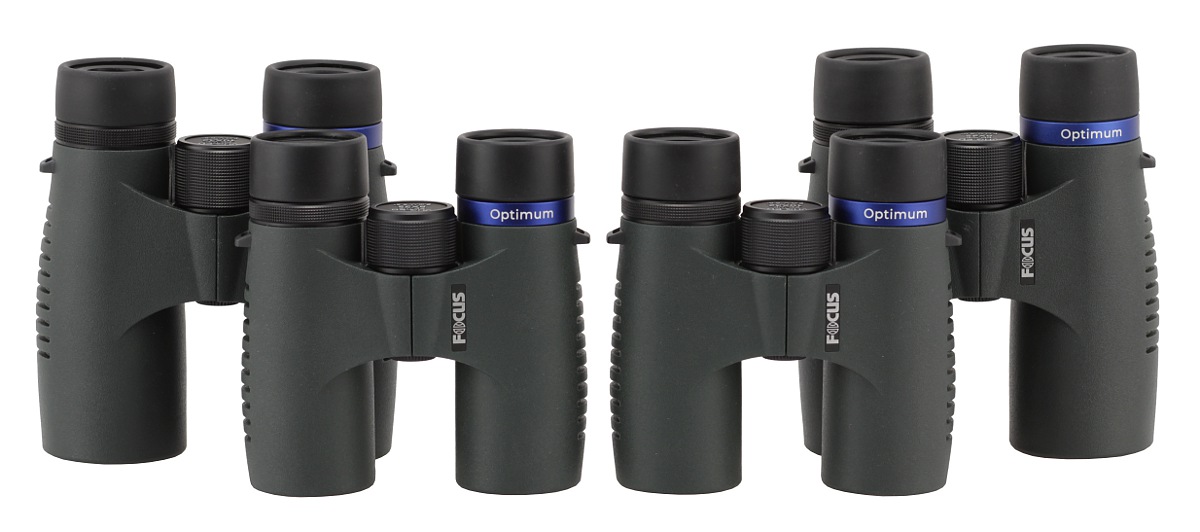
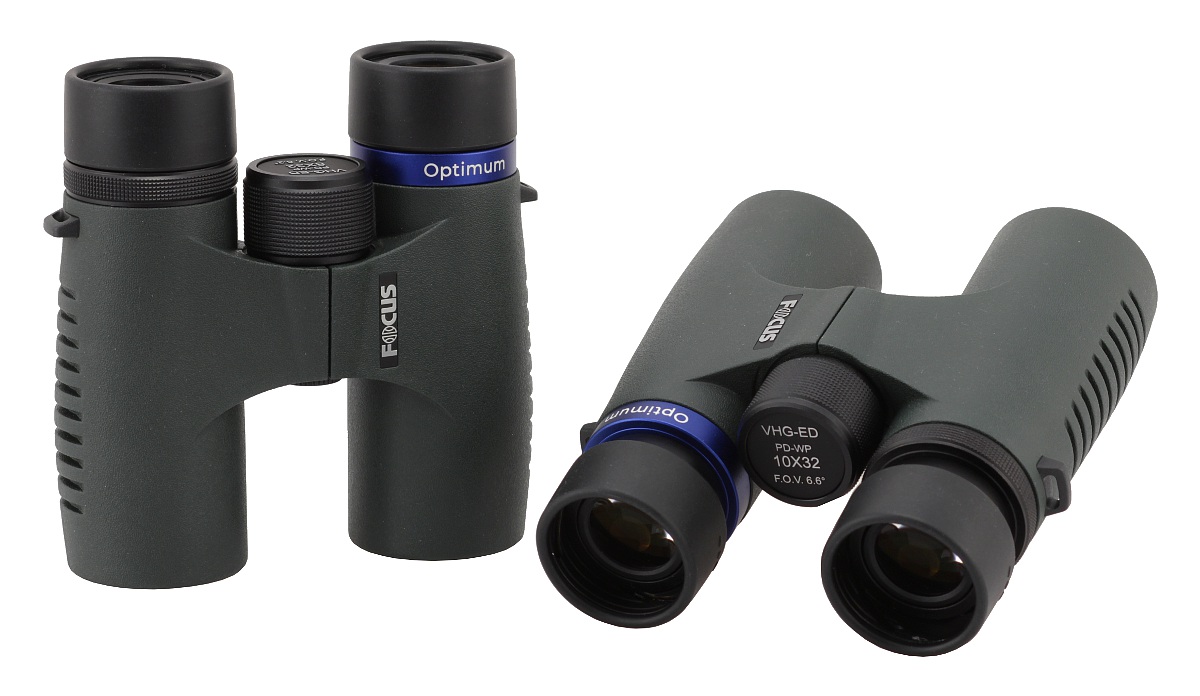
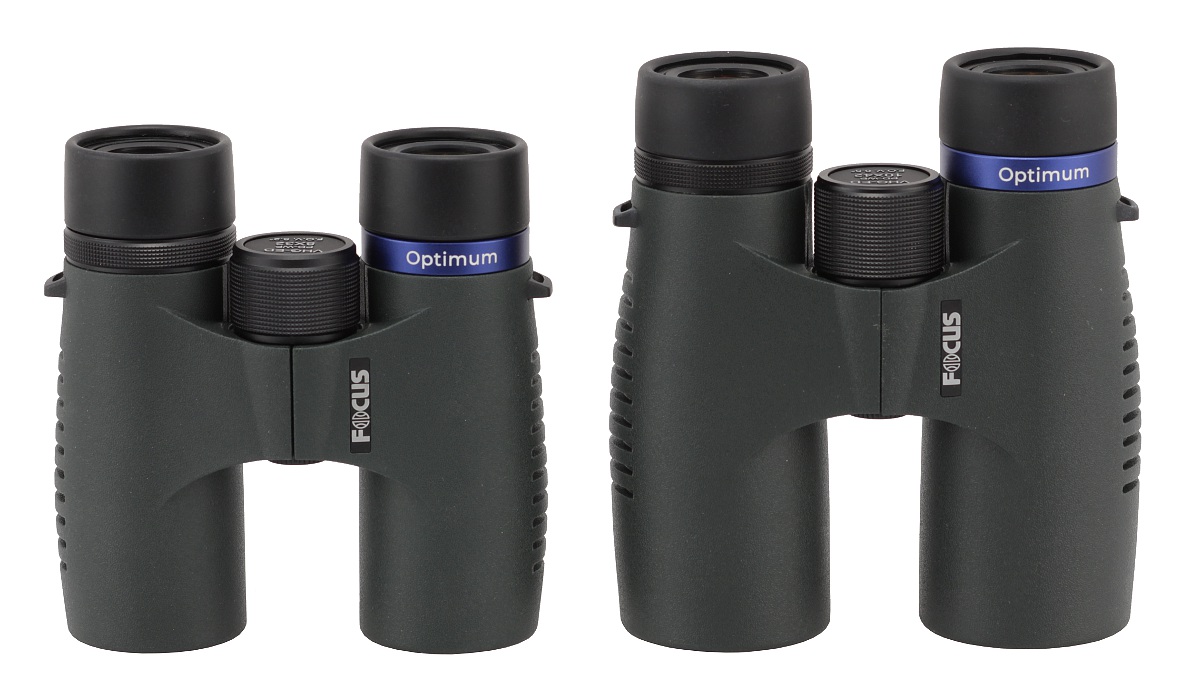
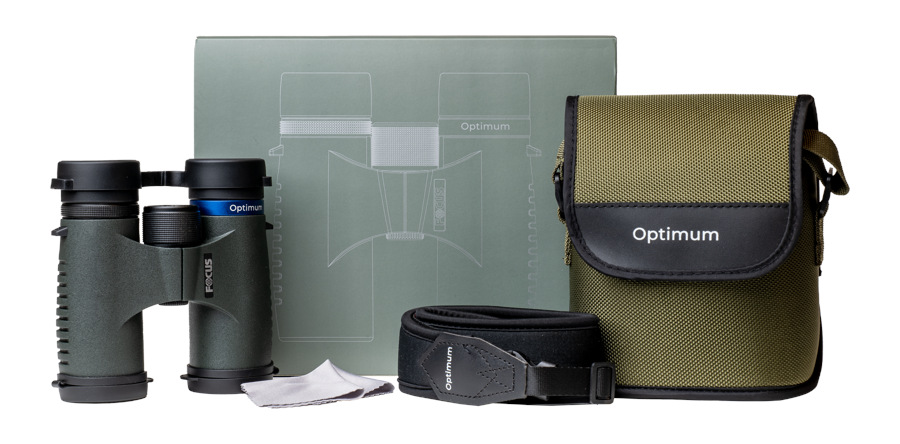
The Optimum ED VHG series is the top-of-the-range line of binoculars produced by Focus Nordic. It consists of four roof prism models with the following parameters: 8x32, 10x32, 8x42 and 10x42.
Pros:
Cons:
 |
 |
 |
 |
Pictures
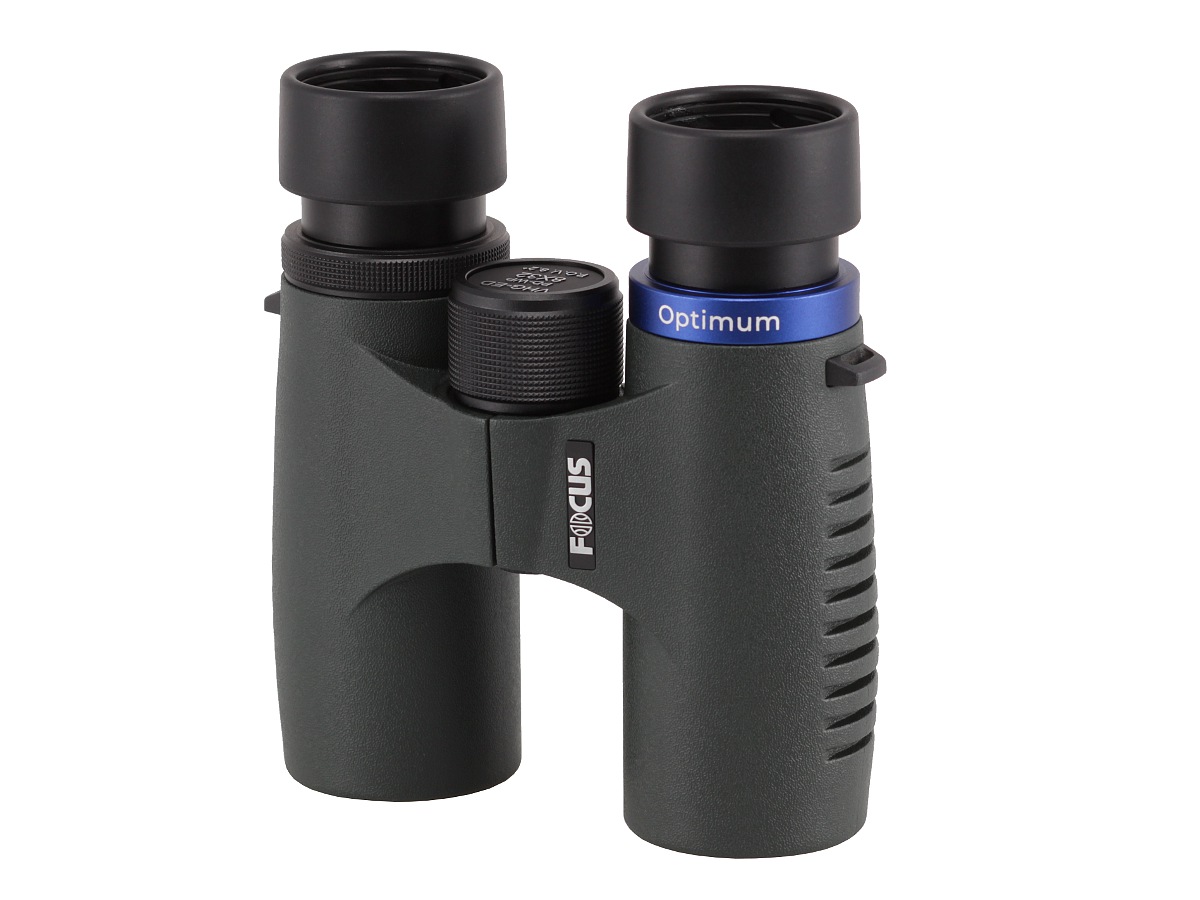
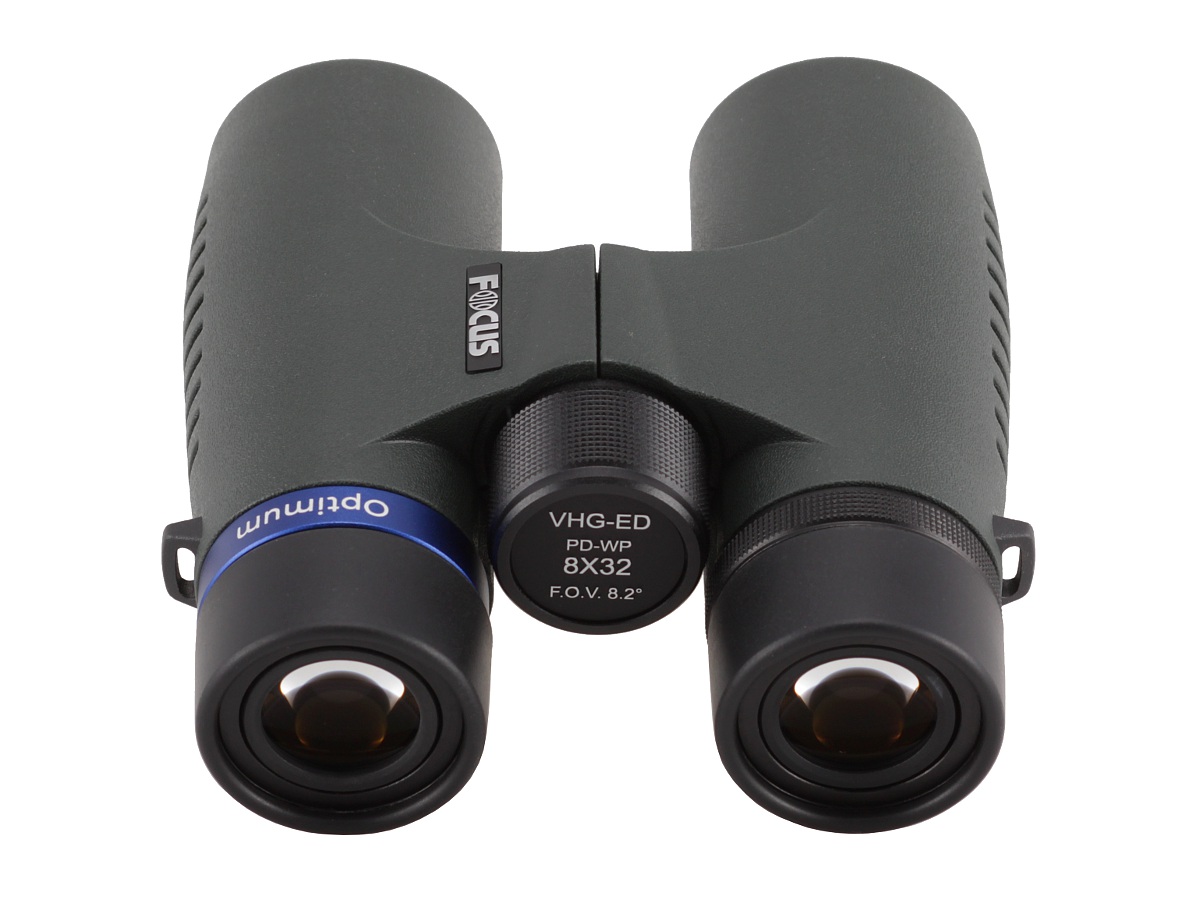
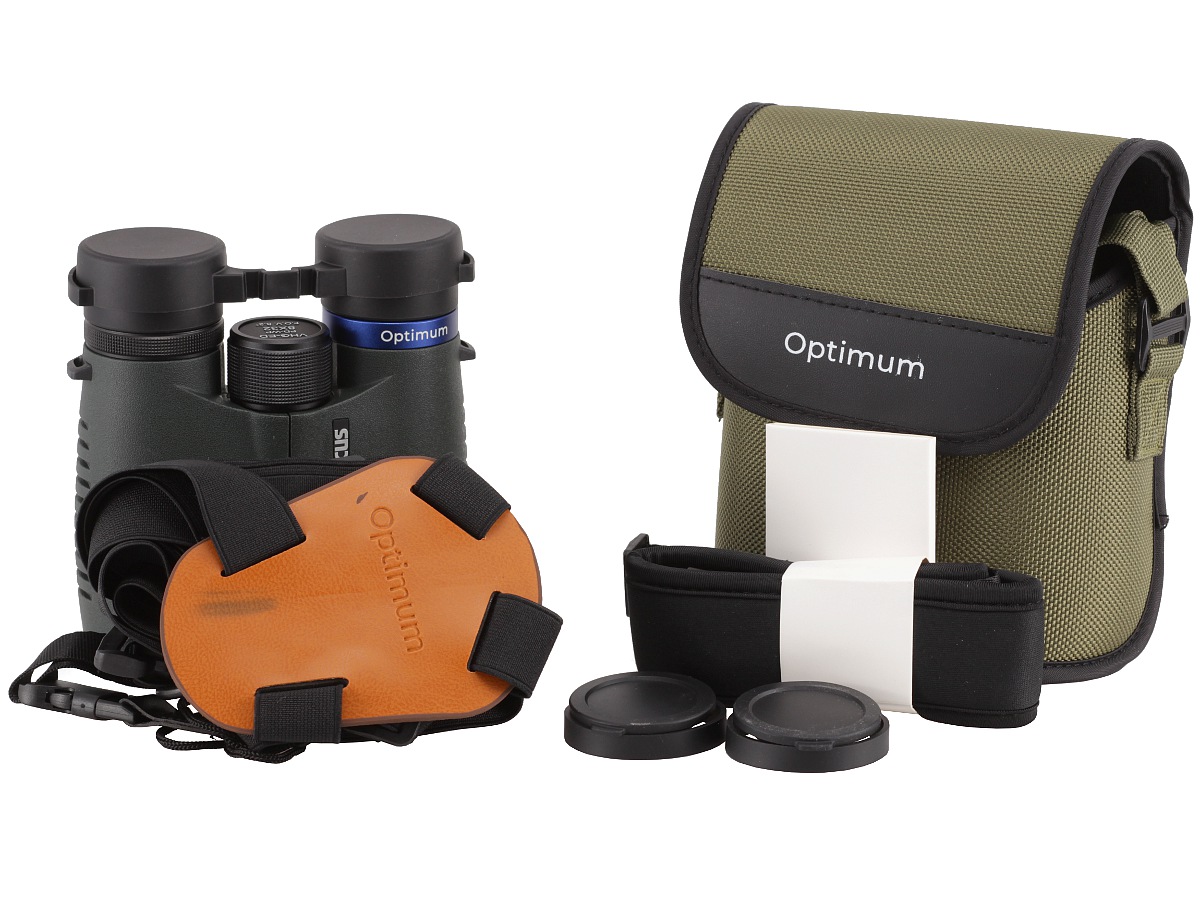
Manufacturer data


| Magnification | Lens diameter | Angular field of view | Prisms | Eye relief | Weight | Price |
|---|---|---|---|---|---|---|
| 8 | 32 | 144/1000(8.2o) | BaK-4/roof | 17 mm | 489 g | 1690 PLN |
Results of the review
| Real front lens diameter |
Left: 31.98+/-
0.05 mm Right: 31.95+/- 0.05 mm |
8 / 8.0 pkt | ||||
|---|---|---|---|---|---|---|
| Real magnification | 7.98+/- 0.05x | 3/3.0 | ||||
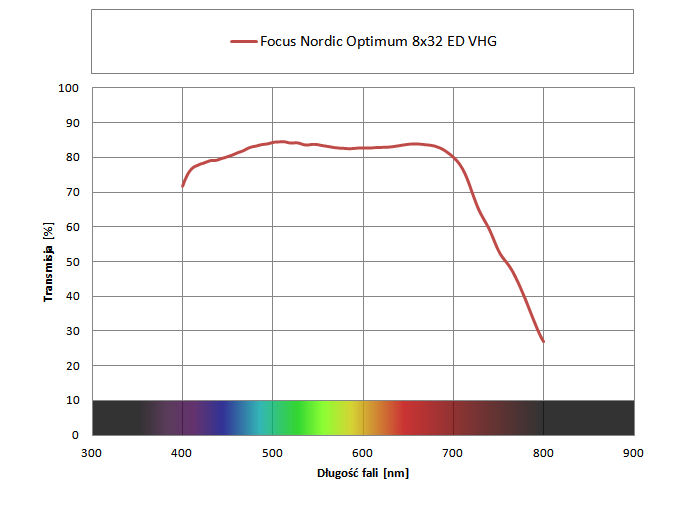
| Transmission | 83.7+/- 1% | 11/25.0 | ||||
| Chromatic aberration | Low in the center, slightly below average on the edge. | 7.2/10.0 | ||||
| Astigmatism | Moderate. The stars are noticeably twinkling. | 5/10.0 | ||||
| Distortion | Distance of the first curved line from the field centre compared to the field of view radius: 64% ± 4% | 7/10.0 | ||||
| Coma | Starts from a distance of about 75% of the field of view and is slightly higher than medium on the very edge. | 7.4/10.0 | ||||
| Blurring at the edge of the FOV | Blurr occurs in a distance of 83% ± 3% from the field of view centre. | 6/10.0 | ||||
| Darkening at the edge the FOV | Low. | 4.2/5.0 | ||||
| Whiteness of the image | Slight, yet easily noticeable green and yellow tint. Transmission curve flat from 500 to 680 nm, but drops noticeably from 500 to 400 nm, causing a loss of blue and violet. | 3.8/5.0 | ||||
| Collimation | Perfect. | 5/5.0 | ||||
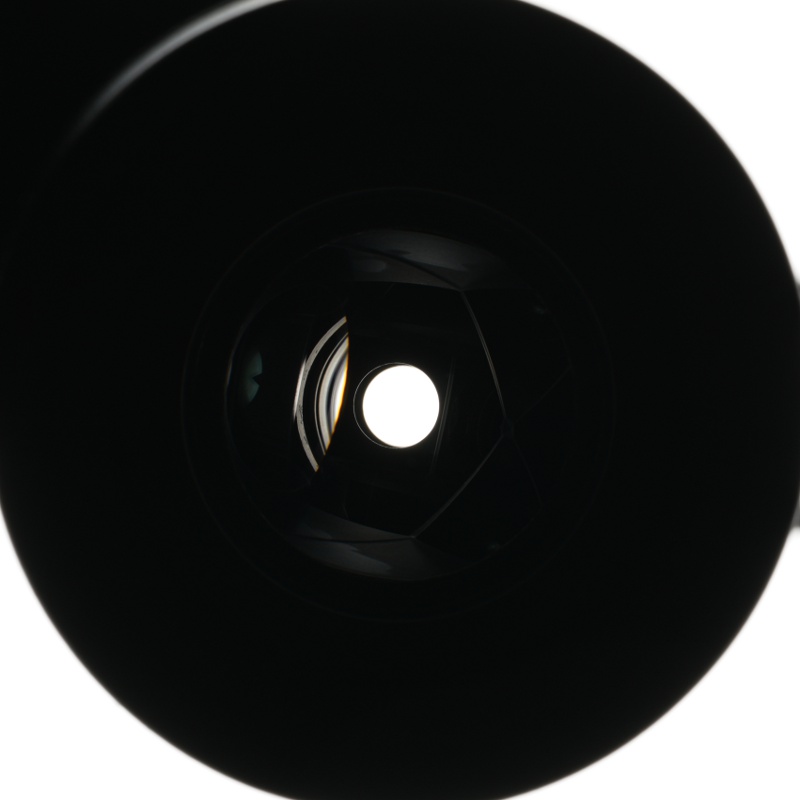
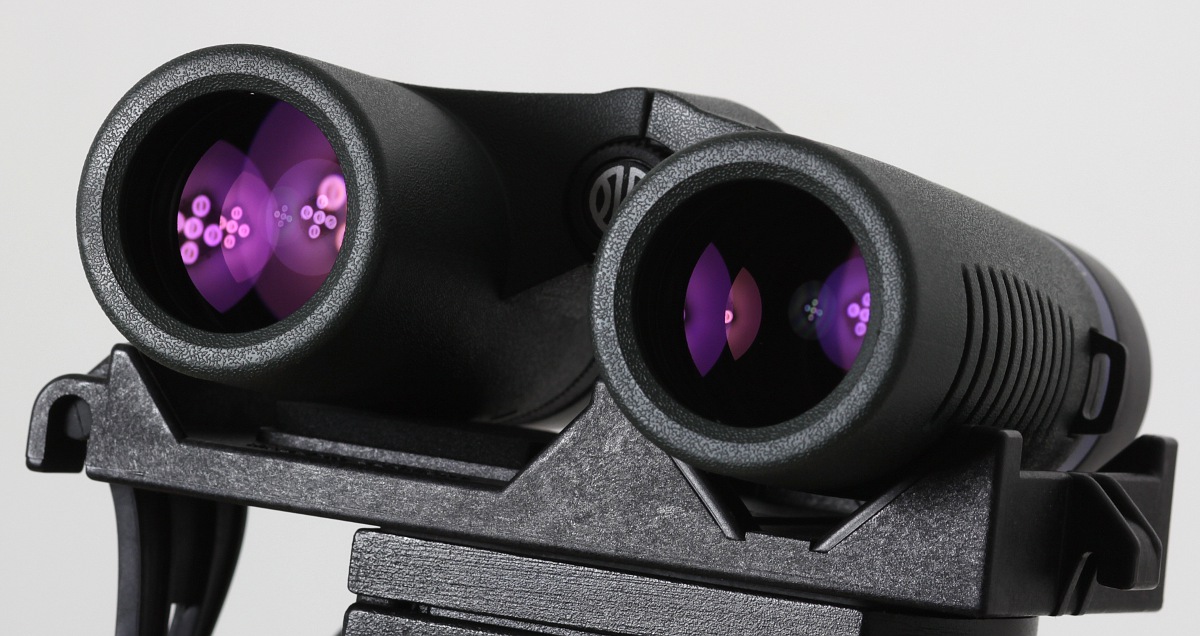
| Internal reflections |
|
2.4/5.0 | ||||
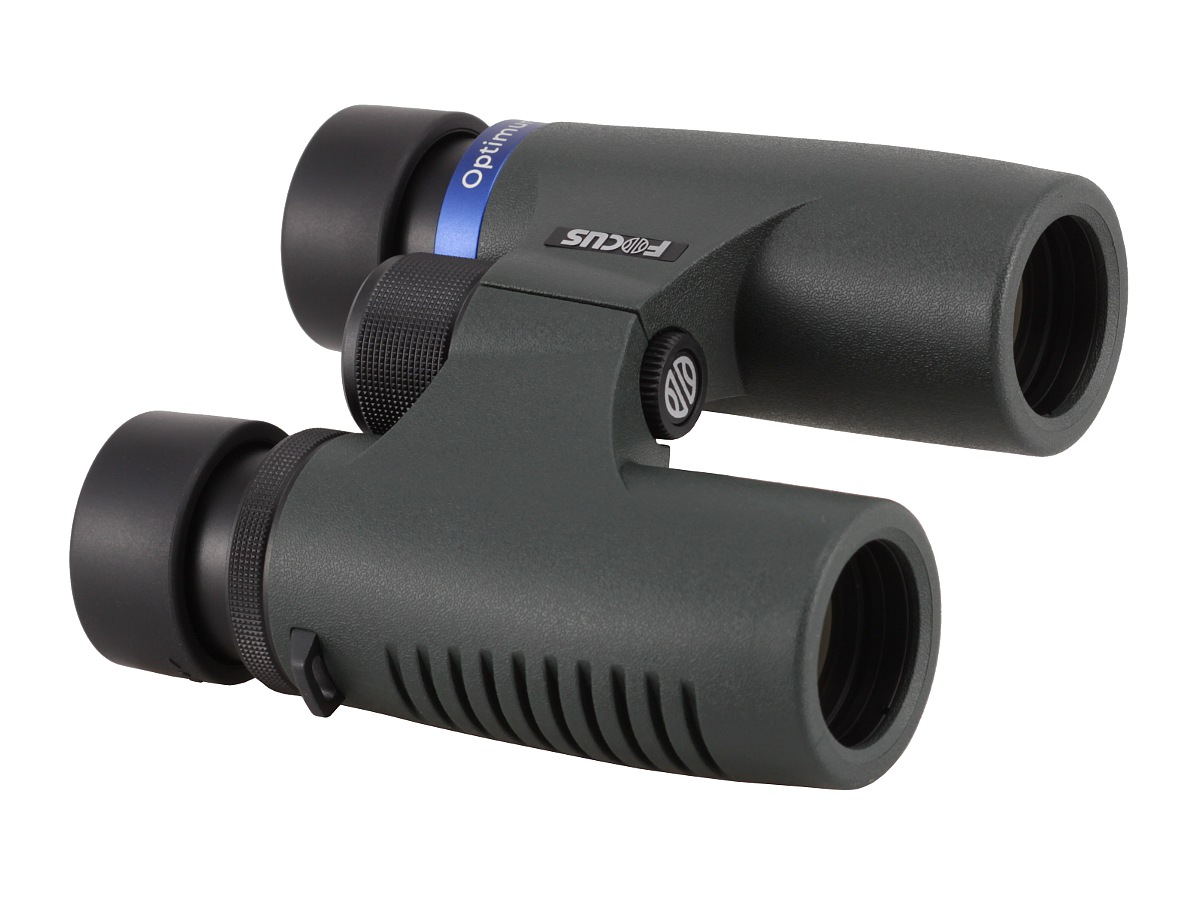
| Housing | Typical size and weight for the 32 mm class. The actual weight is 552 grams, which is noticeably higher than the manufacturer's specification. The body is armored with good-quality, slightly textured rubber that provides a secure grip. The rubber armor fits snugly onto the binoculars with no slack, and does not peel away even around the objective lenses. The rubberized eyecups feature four click-stop positions, a 41 mm diameter, and relatively narrow rims. There is no country-of-origin marking on the binoculars. | 7.5/8.0 | ||||
| Focusing | A fairly large center focus knob with fine metal knurling. It operates with fairly light, yet still acceptable, resistance. The issue is that it exhibits slight backlash at the start, so initial engagement and a light turn produce no focus shift. The full travel requires a 640-degree rotation. Diopter adjustment is located on the right eyepiece and moves the external lens. | 3/5.0 | ||||
| Tripod | A quite comfortable access. In our tests of 8x32 binoculars all models are awarded an average value of 1.5 points in this category because the tripod socket is rarely used in this class of equipment. | 1.5/3.0 | ||||
| Interpupilary distance | from 54.2 to 74.1mm | 5/6.0 | ||||
| Closest focusing distance | 1.60 meters. | 2/2.0 | ||||
| Eyepieces FOV | Eyepieces of apparent field of view of 66.2 deg (simplified formula) and 60.1 deg (tangent formula). | 14.5/20.0 | ||||
| Field of view | Measured by us amounted to 8.29 +/- 0.03 deg and is slightly wider than the field stated in official specifications. A quite wide field for this class of parameters. | 7/8.0 | ||||
| Quality of the interior of the barrels | The inner barrels are more gray than black, though matte and fitted with baffles, albeit without ribbing. The bottom housing around the prisms is gray. Isolated dust specks are visible on the prisms. | 3.7/5.0 | ||||
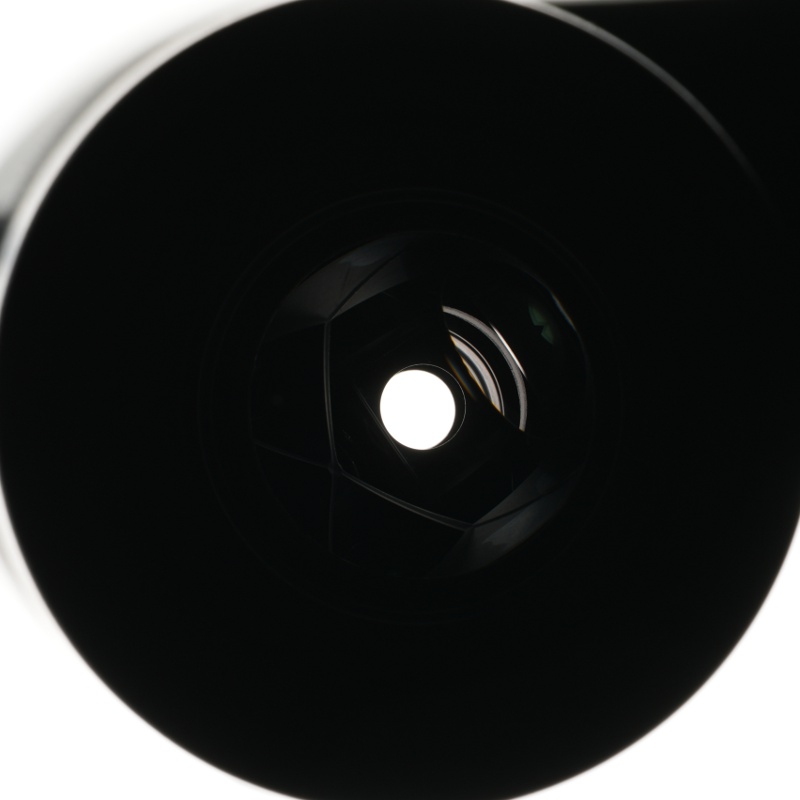
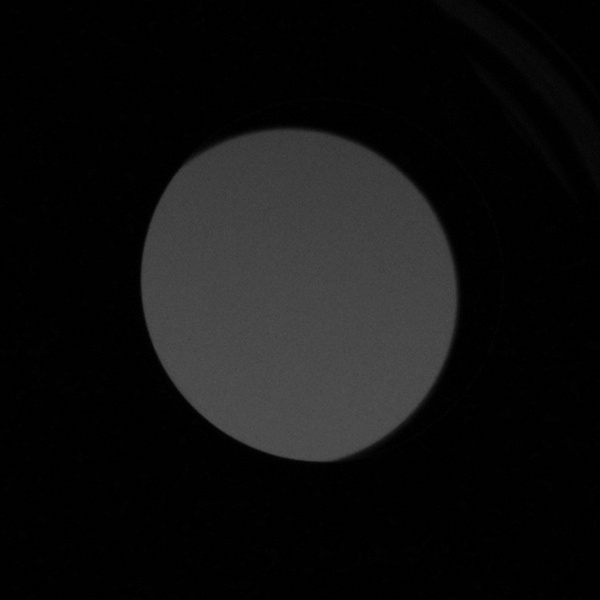
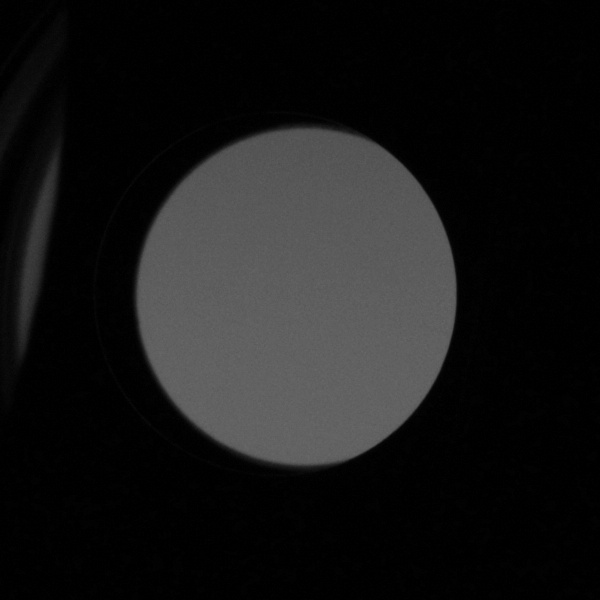
| Vignetting |
|
1/8.0 | ||||
| Prisms quality | High quality BaK4. | 8/8.0 | ||||
| Antireflection coatings | Violet-green on objective lenses, yellow-green on the prisms, violet- green-yellow on eyepieces. Medium intensity. | 4.5/5.0 | ||||
| Warranty [years] | 10 | 4.5/6.0 | ||||
| Final result | 69.6% | 132.2 / 190 pkt | ||||
| Econo result | 0pkt. |
Summary
Pros:
- solid and waterproof housing,
- wide field of view,
- good color rendition,
- reasonably corrected chromatic aberration,
- properly corrected coma
- moderate distortion,
- negligible light fall-off toward the edge of the field of view
- high quality BaK-4 glass prisms.
Cons:
- actual weight noticeably higher than specified,
- backlash/play in the focus knob,
- bright surrounds around the exit pupils and poor stray-light performance,
- heavily truncated exit pupils.
 |
 |
 |
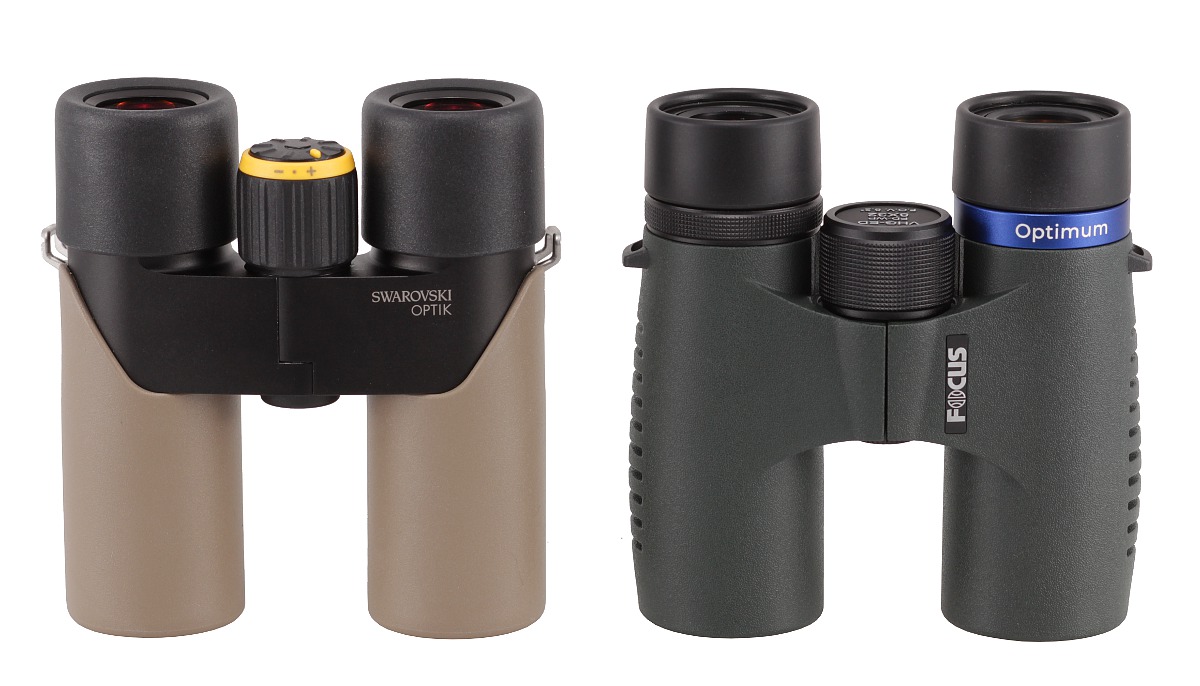
The dimensions of the Optimum 8x32 ED VHG are already fairly typical for the 8x32 class, so the manufacturer did not have to make major compromises on size. Yet those dimensions still proved too small to guarantee unvignetted prisms. As a result, we see heavily truncated exit pupils here.
 |
In summary, it is fair to say that the Focus Nordic Optimum 8x32 ED VHG will not take our market by storm. Competing in the price bracket of binoculars like the Kowa BDII 8x32 or Nikon Monarch M7 8x30 requires fewer missteps in order to compete effectively against them.