The article series "Legendary Binoculars" was conceived to introduce the readers of Optyczne.pl and Allbinos.com to world-renowned, iconic binocular models manufactured in the more or less distant past. The subject of today’s article does not quite fit into that global category, as its popularity was largely confined to the Polish market and select countries within the communist Eastern Bloc. In Western Europe, the Americas, and Asia, its recognition was virtually non-existent.
There is, however, no doubt that in Poland this particular binocular attained legendary, cult-status. Since Optyczne.pl is a Polish website, we felt it fully deserved a comprehensive, dedicated article. For us, it serves as an opportunity for what is hopefully an engaging history lesson, while English-speaking readers will gain insight into sport optics products from behind the Iron Curtain.
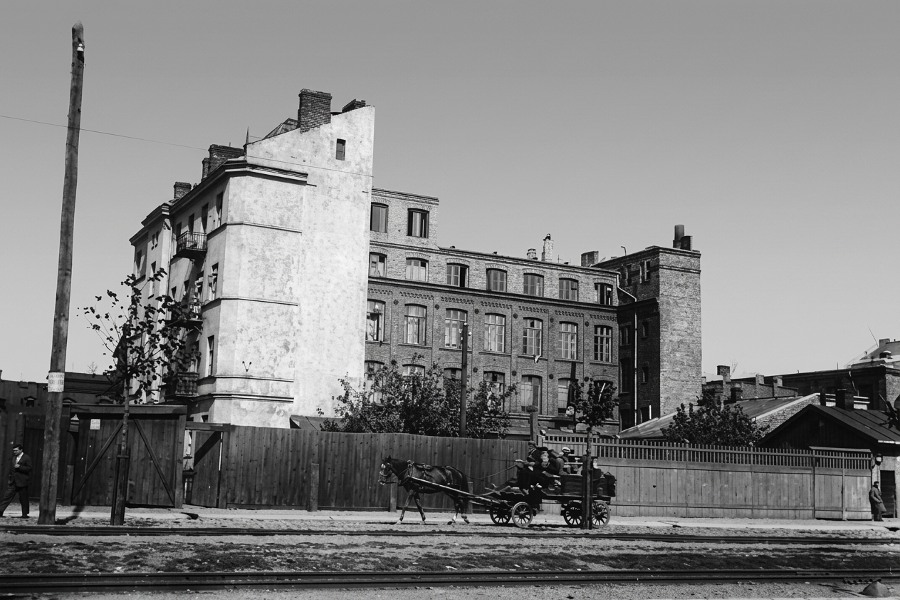
The history of binoculars manufactured by Polskie Zakłady Optyczne (PZO – Polish Optical Works) dates back to the 1920s, to a time when the company operated under the name Fabryka Aparatur Optycznych i Precyzyjnych, H. Kolberg i Spółka (H. Kolberg & Co. Optical and Precision Instruments Factory). Production began with the 6x30 model—featuring a 6x magnification and 30mm objective lenses—which was modeled after German Zeiss designs. Historical records indicate that the contract for the first 1,000 units (at a price of 125,000 Polish marks per unit) between the Kolberg factory and the Department of Artillery and Armaments of the Ministry of Military Affairs was signed on November 17, 1922. The scale of this order was sufficient to prompt the acquisition of a new facility; the company purchased a building on Grochowska Street in Warsaw, formerly a snuffbox factory, which spanned 1,500 square meters on a plot of just under 600 square meters.
To accelerate production, the Department provided engineering drawings—likely sourced from the Obukhov State Plant—for a Russian binocular of identical specifications that had been in production since 1907. Meanwhile, Zeiss, having been contracted to supply some of the machinery, raised their prices. To ensure the project’s viability, Kolberg negotiated an increase in the order to 4,000 units with the Ministry of Defense.
Please Support Us
If you enjoy our reviews and articles, and you want us to continue our work please, support our website by donating through PayPal. The funds are going to be used for paying our editorial team, renting servers, and equipping our testing studio; only that way we will be able to continue providing you interesting content for free.
- - - - - - - - - - - - - - - - - - R E K L A M A - - - - - - - - - - - - - - - - - -
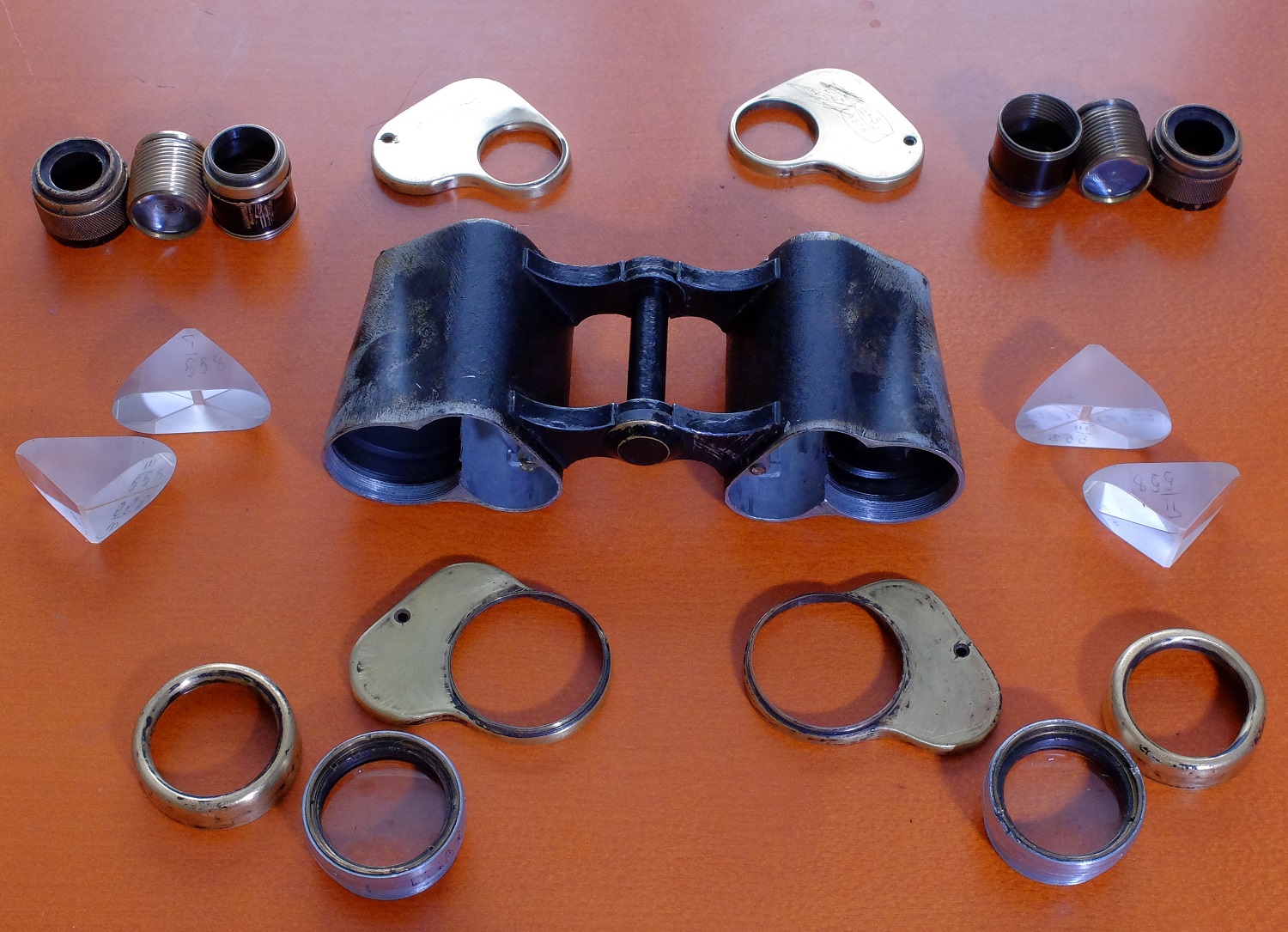
Drawing from both Zeiss’s expertise and the Russian design, the Polish 6x30 binocular was developed, with approximately 60,000 to 80,000 units produced by 1939. Optical glass was sourced from France (Parra-Mantois) or Germany (Schott). The binocular featured a classic achromatic objective, air-spaced Porro I prisms, and a two-element eyepiece. In the late 1920s, minor refinements were made to the optical design to improve resolution and reduce chromatic aberration.
The PZO building at Grochowska street in 1926 (photo PZO archive).
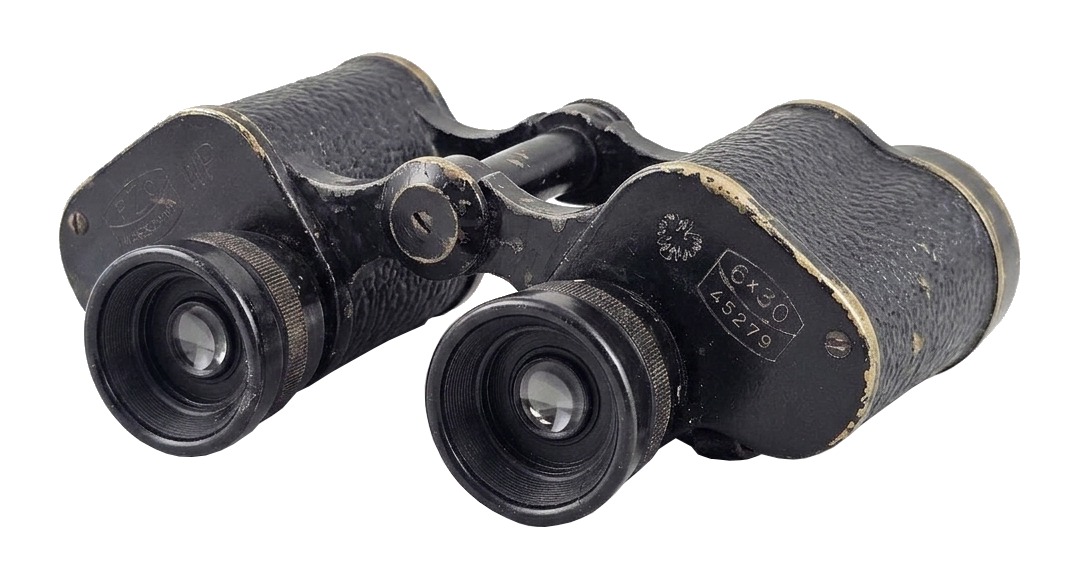
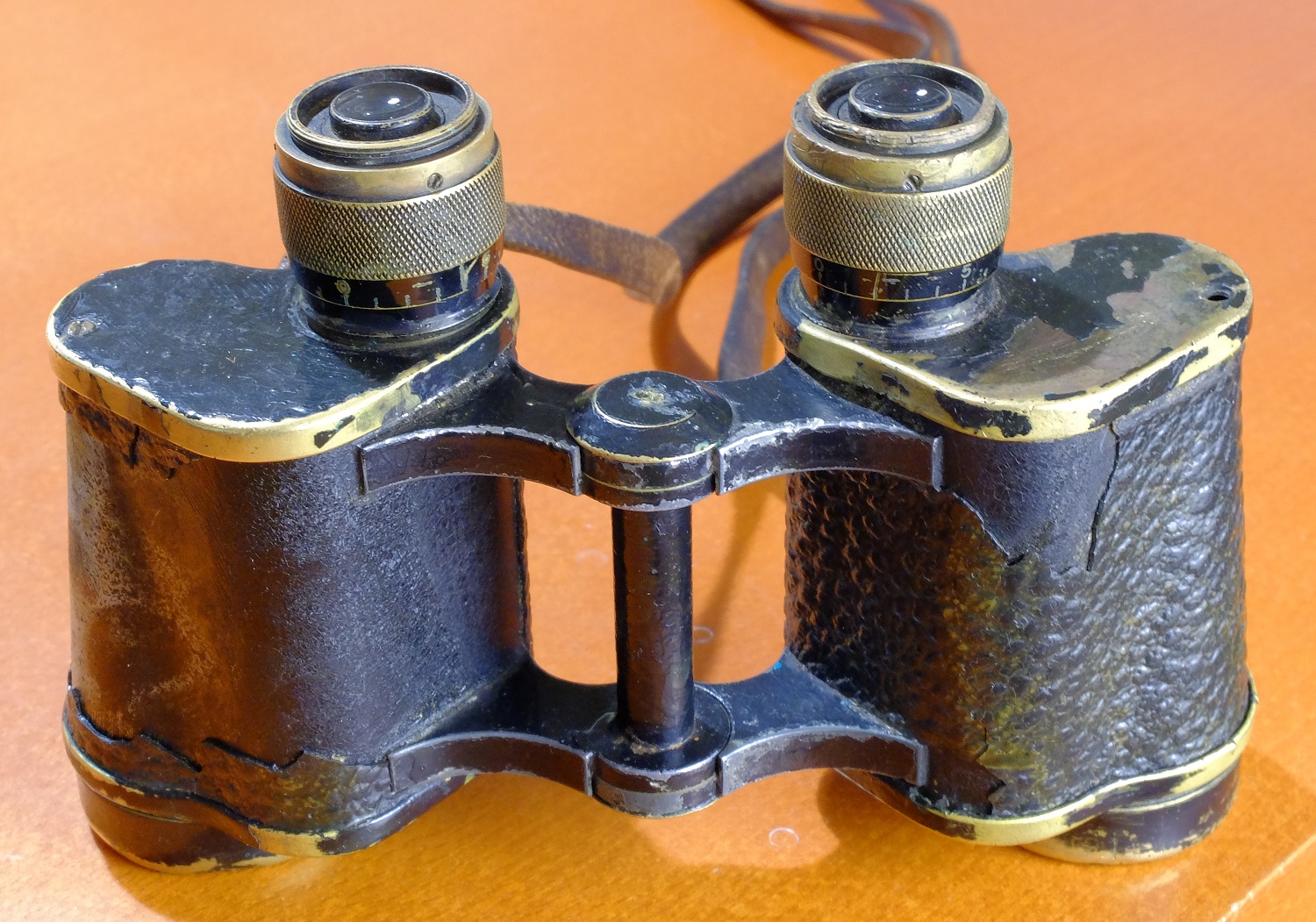
The body of the 6x30 was an aluminum sand casting, while the individually focused eyepieces were made of brass, with brass covers. The left side of the housing bore the inscription "H. Kolberg i Ska Warszawa WP," with the "6×30" parameters, serial number, and the Polish eagle emblem stamped next to the right eyepiece. Initially weighing approximately 650 grams, the design was modernized over the years to reduce weight. Brass components were replaced with a corrosion-resistant aluminum alloy (Antikorodal), and following the installation of a domestic pressure-casting foundry, the wall thickness was reduced, further lightening the instrument. These and other innovations eventually brought the weight down to just over 400 grams, though catalogs from 1935–1936 still listed the weight at 653 grams. Leather cases were supplied by the A. Chojecki firm in Warsaw, and the kits included straps, a rain guard, filters, and eyepiece caps.
H. Kolberg i Ska 6x30 binoculars.
Development of the 6x30 is credited to engineer Tadeusz Malinowski, a graduate of the École supérieure d’optique in Paris. His eyepiece design was reportedly so highly regarded that during the occupation, the German management allegedly requisitioned his calculations for use in binoculars then being manufactured in Jena.
Pre II WW PZO 6x30 binoculars produced for Polish army.
The quality of these binoculars is attested to by several historical milestones. In 1930, when the Polish binocular was showcased at a competition in the USA organized by the U.S. Army Field Artillery, the selection committee deemed it the brightest of all entries. In 1935, Poland entered the 6x30 into a Canadian competition for a field binocular. It performed exceptionally well, and there was talk of the Poles either building a factory in Canada or supplying completed units; unfortunately, domestic military demand precluded such international cooperation.
It is worth noting that these were by no means inexpensive instruments. In 1929, the unit price was 290 PLN, with a 37 PLN premium for the A. Chojecki leather case. For context, a Polish Army captain earned between 350 and 400 PLN per month, while a typical laborer or civil servant would have to work for two to three months to afford one. By 1936, the price had risen to 350 PLN for the set.
The PZO LP6x30 binoculars from 1935. Photo by M. Górko.
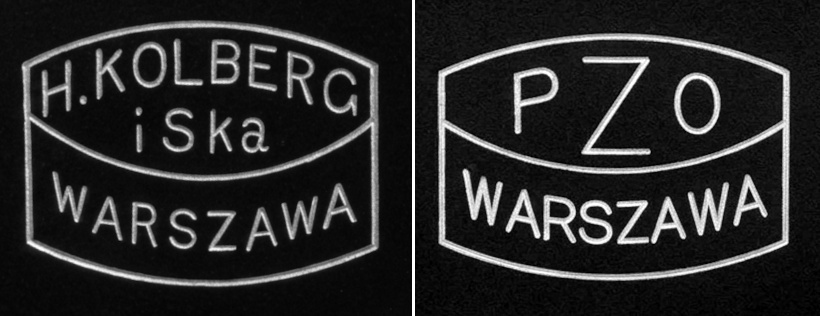
The Great Depression of 1929 took its toll on the company, leading to financial distress. In May 1931, Henryk Kolberg was forced to sell his shares to three French firms, and the company was rebranded as Polskie Zakłady Optyczne SA (PZO SA). From that point on, binoculars featured a characteristic logo resembling two bonded lenses with "PZO" in the top segment and "WARSZAWA" in the bottom.
Old and new logo.
Interestingly, in 1933, Henryk Kolberg registered a new company under his own name, which soon began competing directly with PZO by manufacturing identical 6x30 binoculars. In 1937, Kolberg's new firm signed a contract with the Polish Ministry of Defense for 2,200 units. Thus, until the outbreak of World War II, nearly identical 6x30 binoculars were manufactured by both entities. These are easily distinguished: the new company’s serial numbers began at 80,000, and the eagle emblem on the prism housing was updated to the contemporary design.
Elements of the pre-war PZO LP6x30 binoculars. Photo by M. Górko.
During the war, PZO was annexed as a subsidiary of Carl Zeiss Jena and renamed Optische Präzisions-Werke GmbH. It assembled 6x30 military binoculars using a combination of German and locally manufactured parts. These models featured the familiar lens logo, but with "OPW" and "WARSCHAU" inscriptions. In 1941, the logo was replaced by the military code "eug."
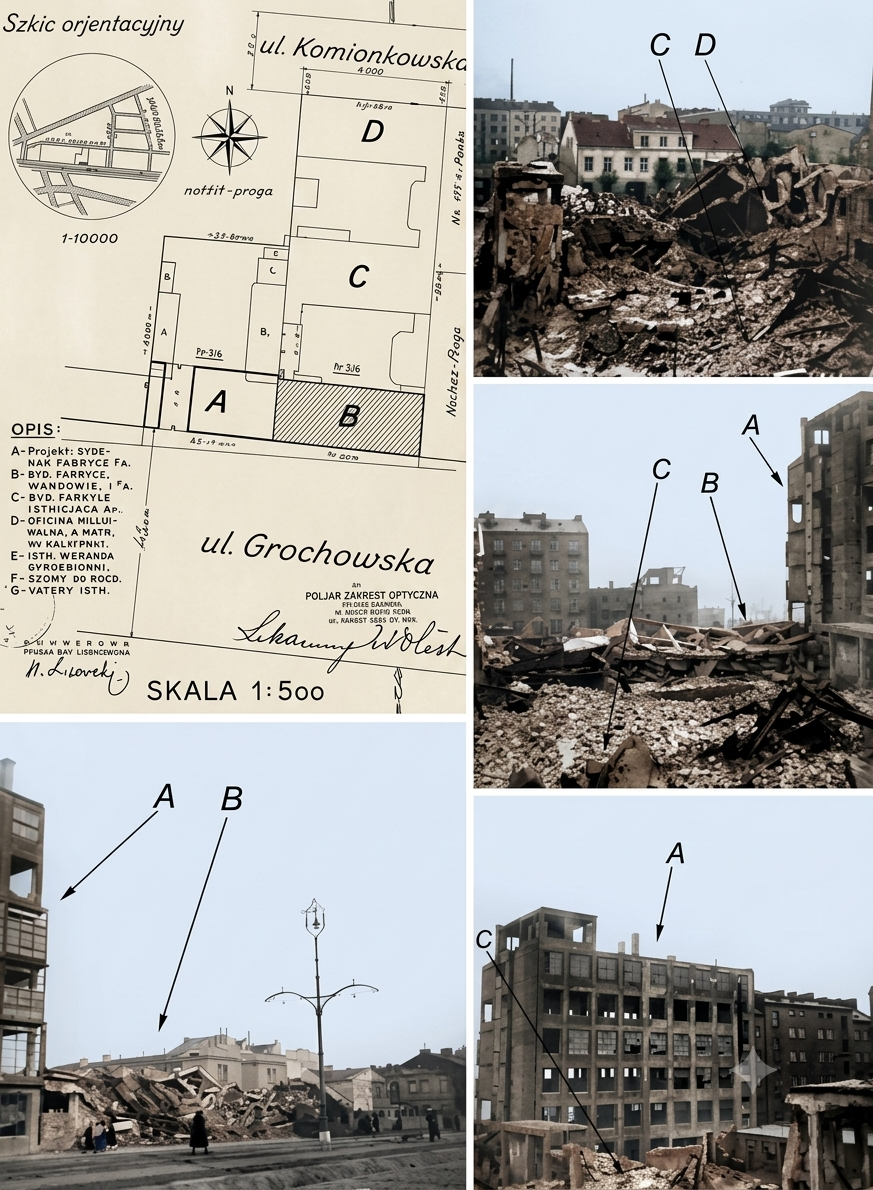
In August 1944, the entire factory was evacuated by the Germans. The equipment was transported to facilities in Jena and the Czech factory in Teplice-Šanov. In September 1944, the German army blew up the PZO factory buildings.
Digital reconstruction of old photographs showing the appearance of the PZO factory after the end of World War II.
After the end of World War II, the provisional government installed in Poland by Stalin decided to rebuild the Polish Optical Works (Polskie Zakłady Optyczne). Only the letters "SA," which stood for spółka akcyjna (joint-stock company), were removed from the new company's name. Documentation preserved from the war allowed for the launch of a very modest production of the 6x30 model during the first two years after the war, as the plant rose from the rubble.
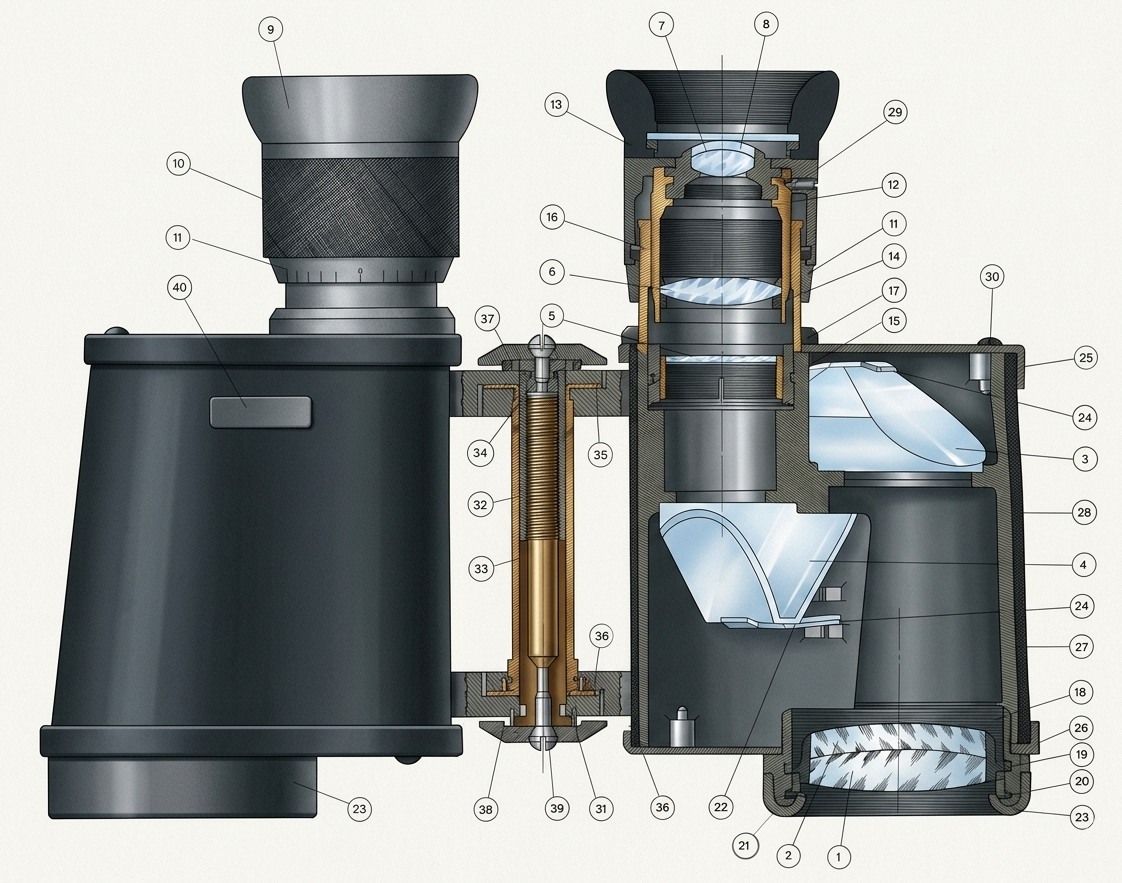
Technical diagram of the post-war PZO LP6x30 binoculars in the military variant with a reticle in the right eyepiece..
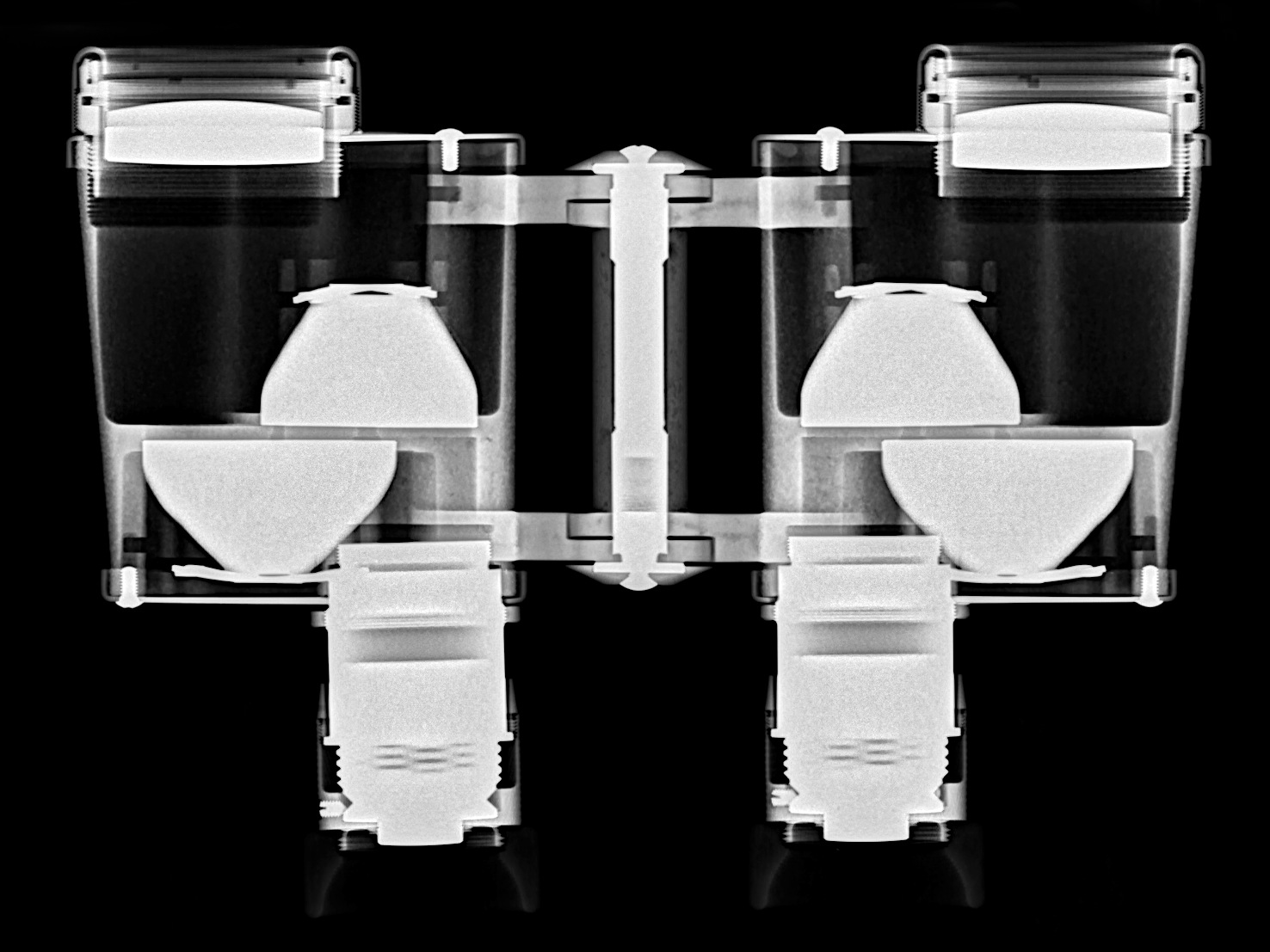
Compared to the pre-war model, the eyepiece was redesigned into a 3-element Kellner system, providing better correction of aberrations than the original 2-element version. The objective remained a classic two-element achromat, paired with air-spaced Porro I prisms made from BaK-4 glass. Technical diagram of this instrument is shown above.
Binoculars produced in the late 1940s lacked anti-reflective coatings, as the technology was not yet available in Poland. It is worth noting that while contrast was average, the image was "white" and lacked the distinct yellow cast of later models, confirming that the yellow tint in later Polish optics was a result of coatings optimized for the center of the visible spectrum, rather than the glass itself.
Pioneering thin-film research began at the Wrocław University of Technology in 1950. Using a decommissioned and undocumented Edwards (SE-2) vacuum coater borrowed from the Jelenia Góra Optical Works, Docent C. Wesołowska and Engineer H. Zamuliński developed the technology for evaporating aluminum, silver, and chromium mirrors, as well as anti-reflective coatings. In 1951, the equipment, technology, and trained technicians were transferred to PZO in Warsaw. Consequently, by the 1950s, optical instruments—primarily the 6x30—were being equipped with single-layer magnesium fluoride coatings.
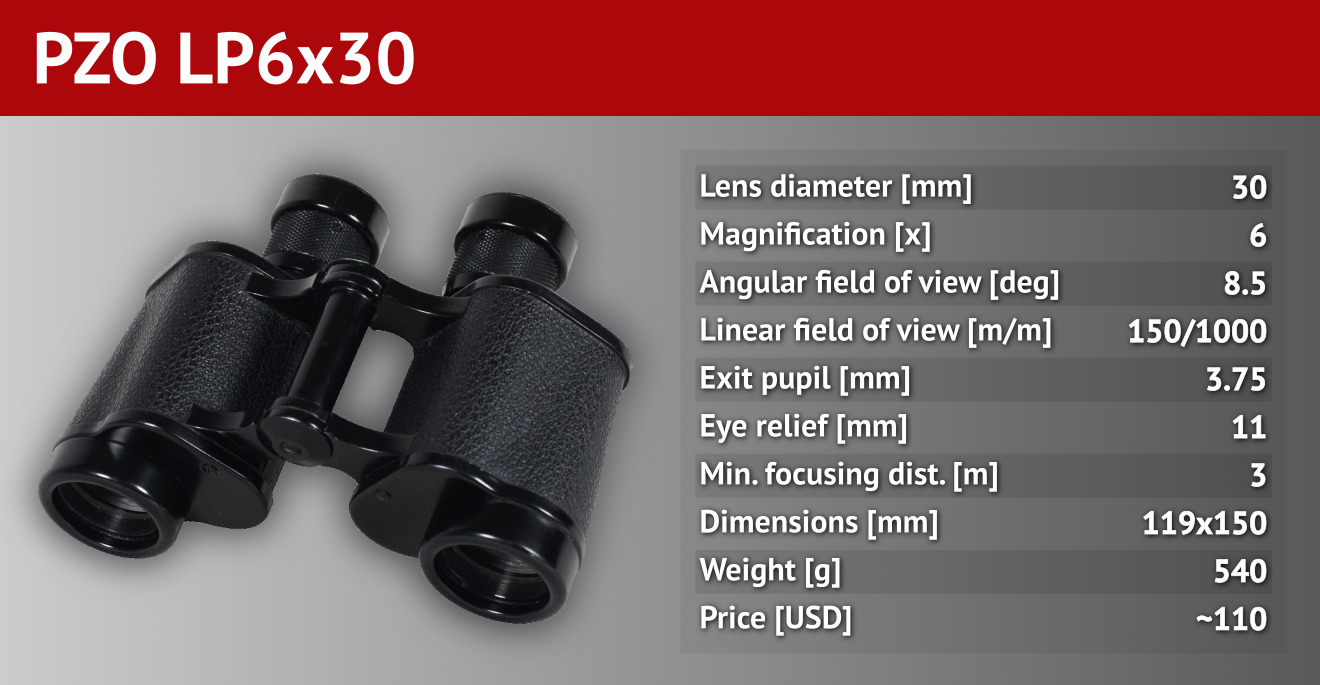
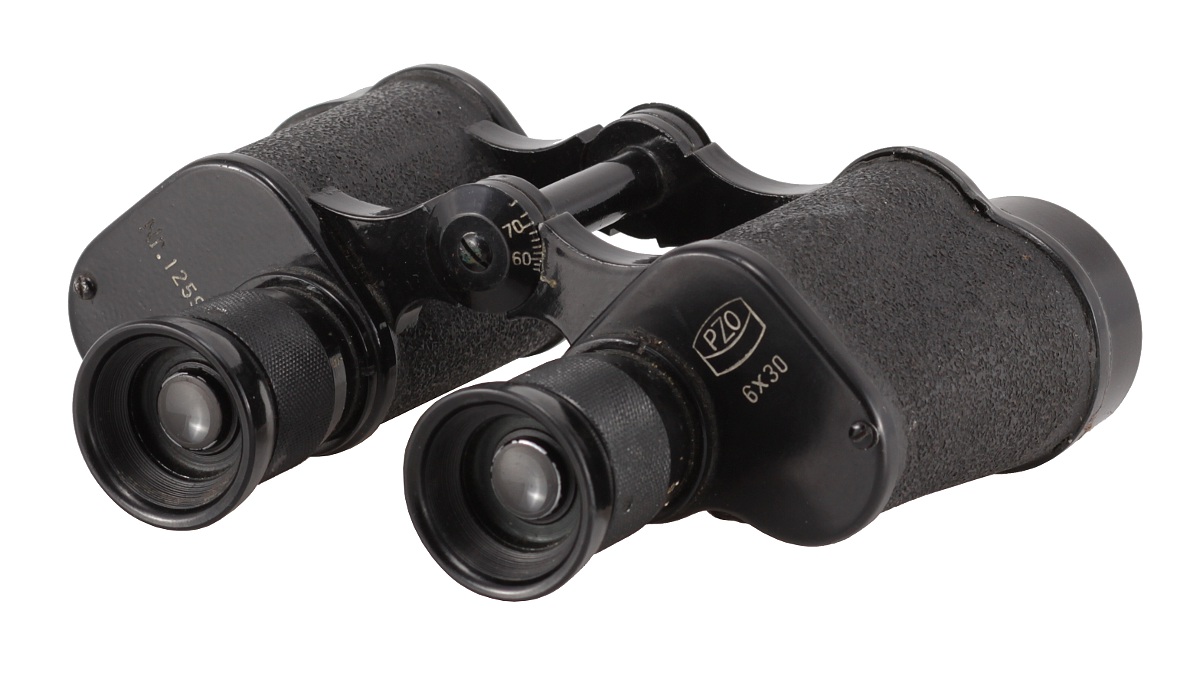
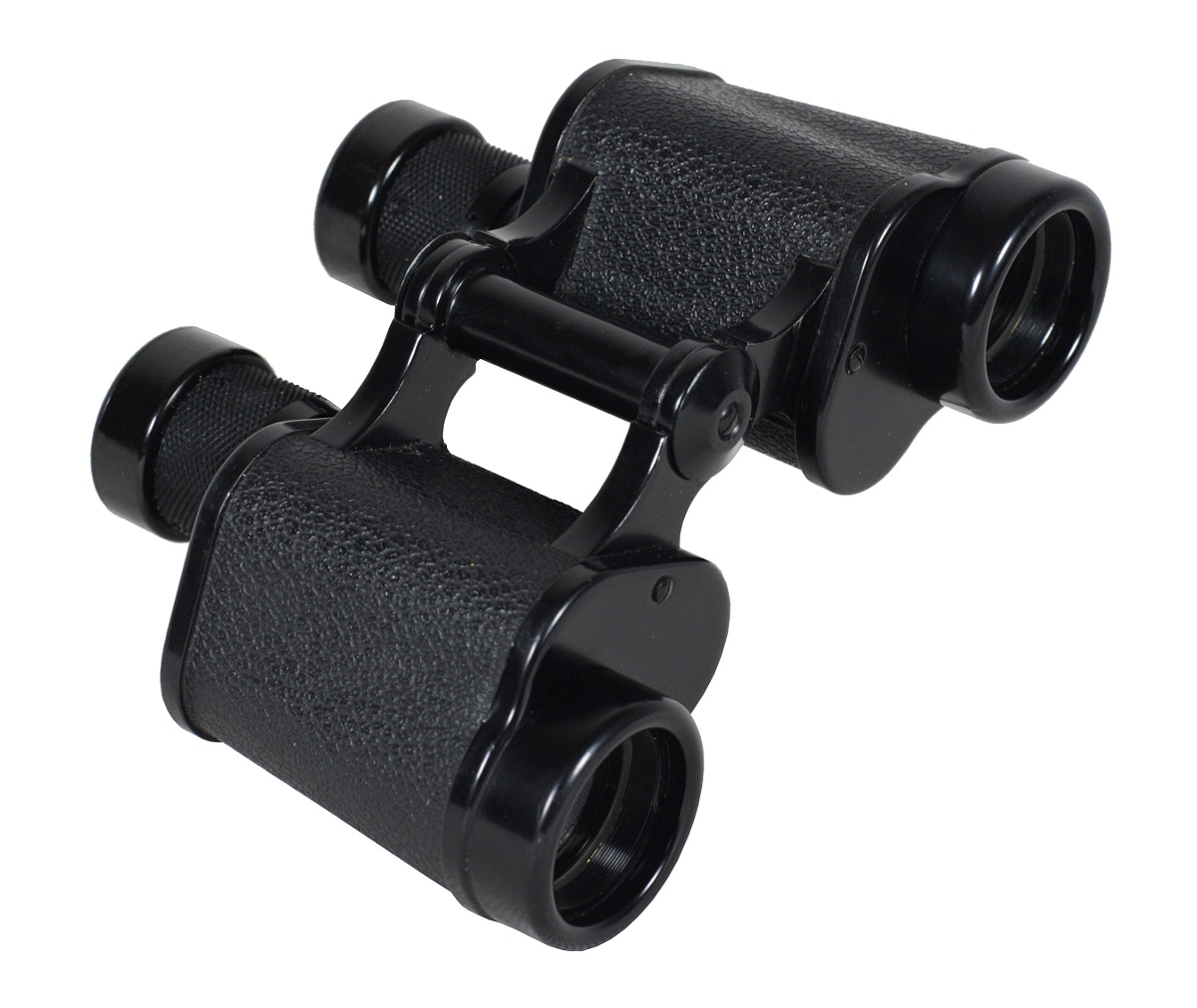
Mechanical changes accompanied these optical improvements. Pre-war binoculars were aluminum castings; during and just after the war, some housings were made from Elektron, a magnesium alloy. The hard, non-adjustable eyecups were made of Bakelite. For many years, post-war housings contained no plastic components, with the aluminum body featuring a textured finish for better grip. In the 1970s, the binoculars began to be finished with a more tactile and aesthetically pleasing leatherette. These cumulative changes resulted in a final civilian variant weighing 540 grams, with a height of 119 mm (at 0 diopter) and a width varying from 135 to 165 mm.
The post-war LP6x30 was produced for a long time in two versions: a military model with a reticle in the right eyepiece and a civilian version without. Production continued into the 1980s, though interest waned with the introduction of newer models, such as the 8x30 and the military LP7x45Z.
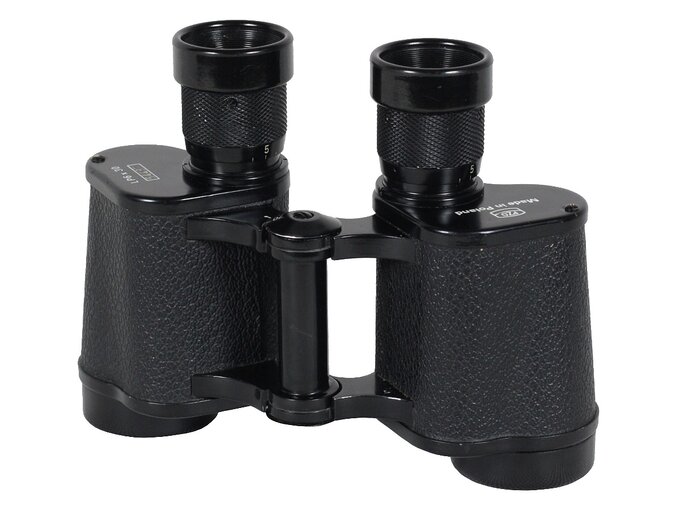
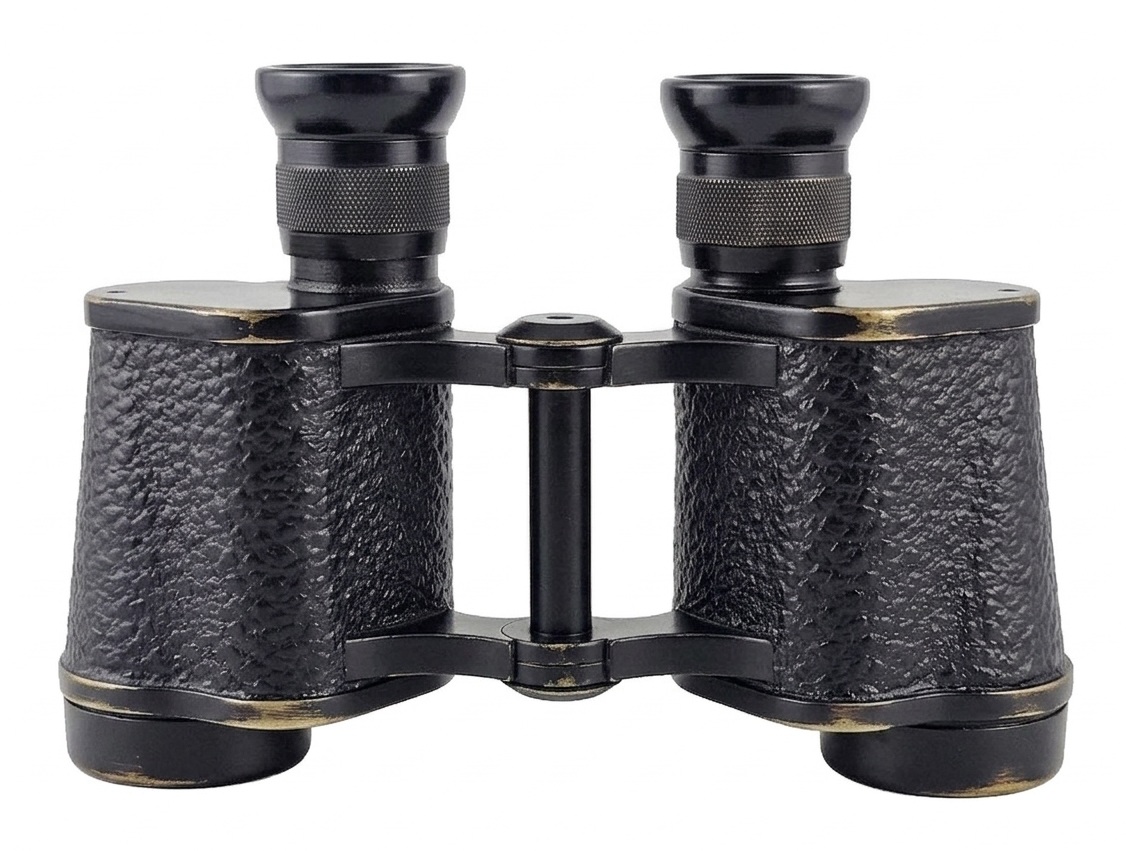
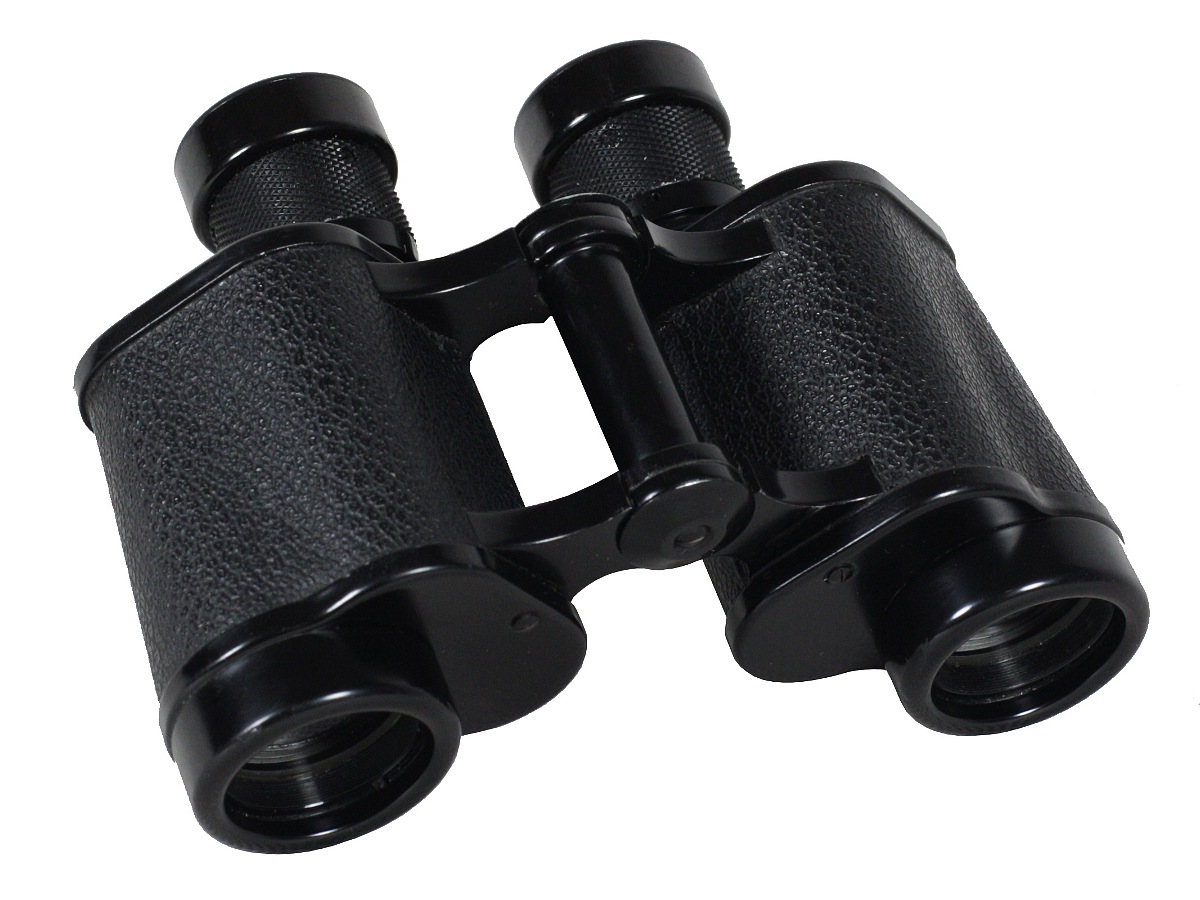
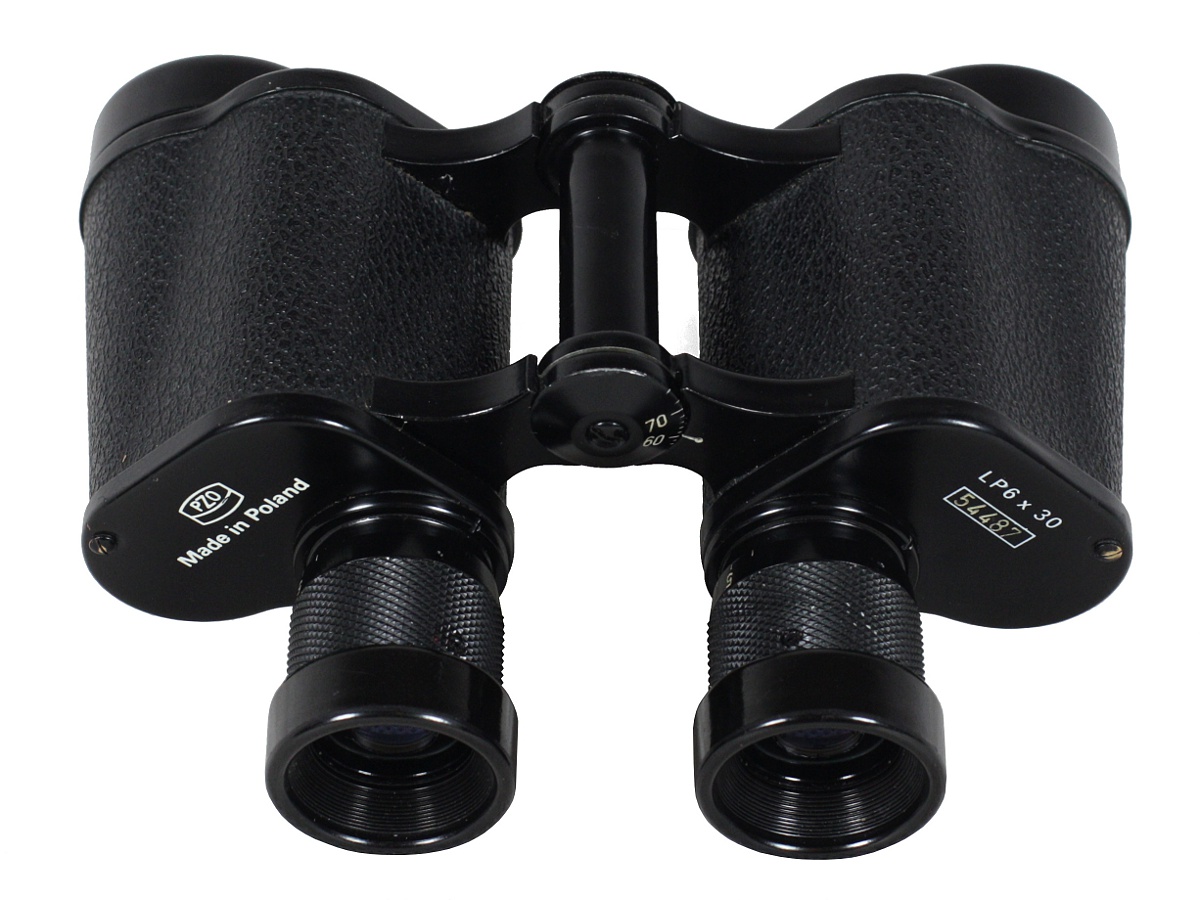
The article showcases two PZO LP6x30 units. The older model dates to the turn of the 1950s and features a vulcanite finish—a hot-pressed hard rubber and sulfur compound. It was highly durable and weather-resistant, albeit cold to the touch. This was PZO's standard until they transitioned to softer leatherette for comfort and cost-efficiency.
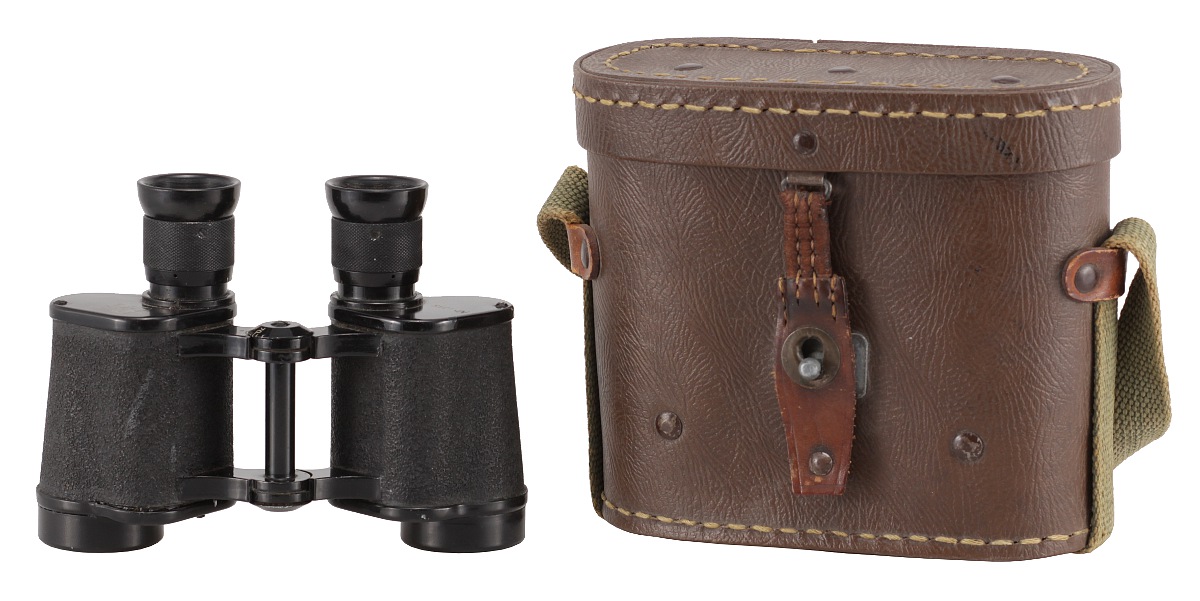
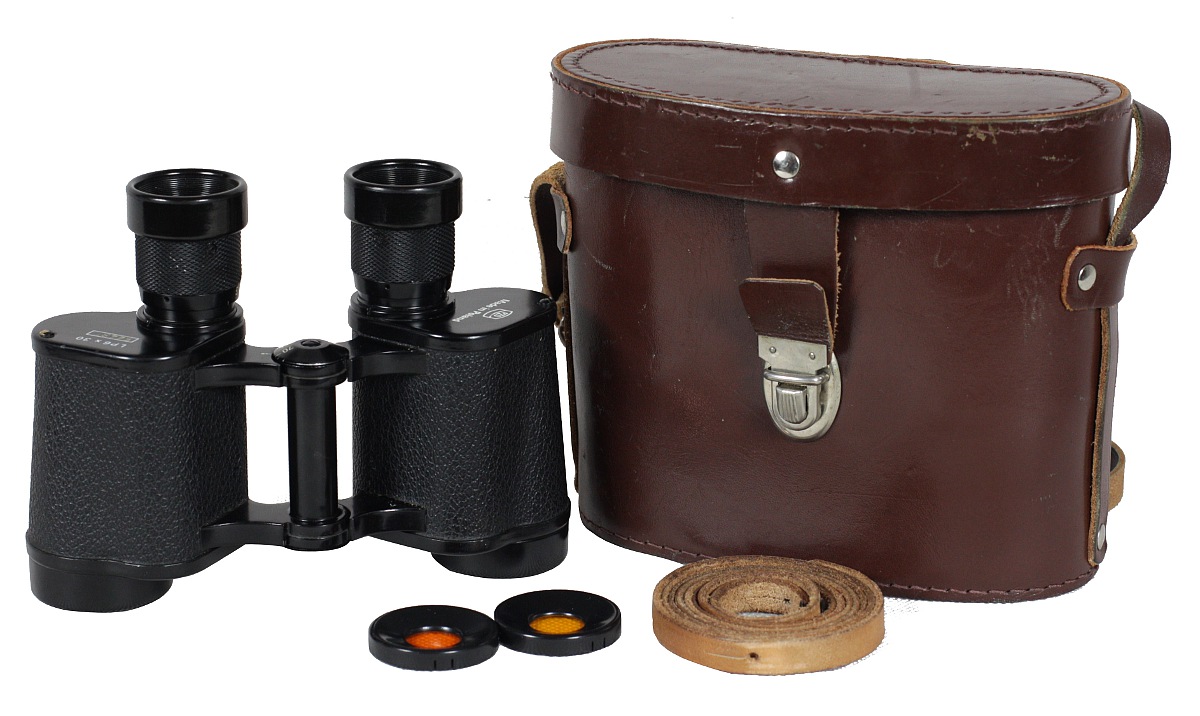
The second unit, from the late 1970s, represents the peak of PZO's output—mature production that had overcome its "childhood diseases" yet remained unaffected by the economic constraints of the 1980s. The prominent "Made in Poland" stamp on the prism housing indicates these were intended for the export market. The set included a leather neck strap, a leather case, and orange-yellow eyepiece filters.
This specimen features bluish anti-reflective coatings, suggesting single-layer magnesium fluoride optimized for the visible spectrum center, resulting in a noticeable yellow cast. However, the image remains sharp and pleasant in the center of the field. The eyepieces provide a respectable 51-degree apparent field of view, with very little degradation at the edges and minimal chromatic aberration.
X-ray photo of the civilian version of PZO LP6x30 binoculars. Photo by obserwatorek.
While the performance of the PZO LP6x30 may not impress by modern standards, it is a solid piece of Polish history. I am pleased to include it in our "Legendary Binoculars" series, and I hope you enjoyed reading this article as much as I enjoyed writing it.