


Blaser Primus 8x30 or the story of a donkey between two bundles of hay
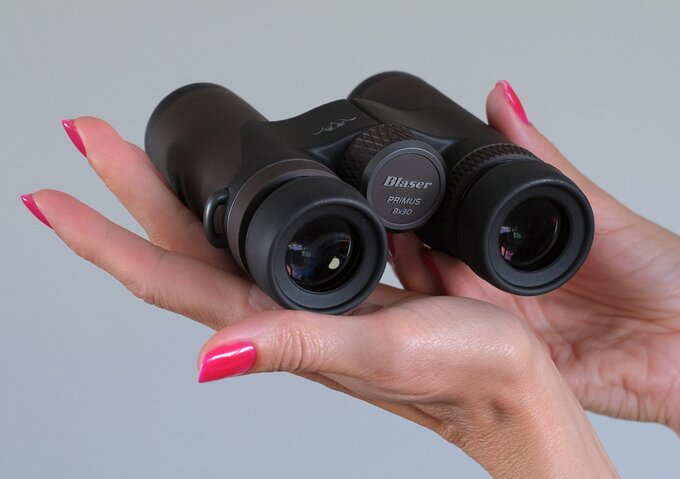
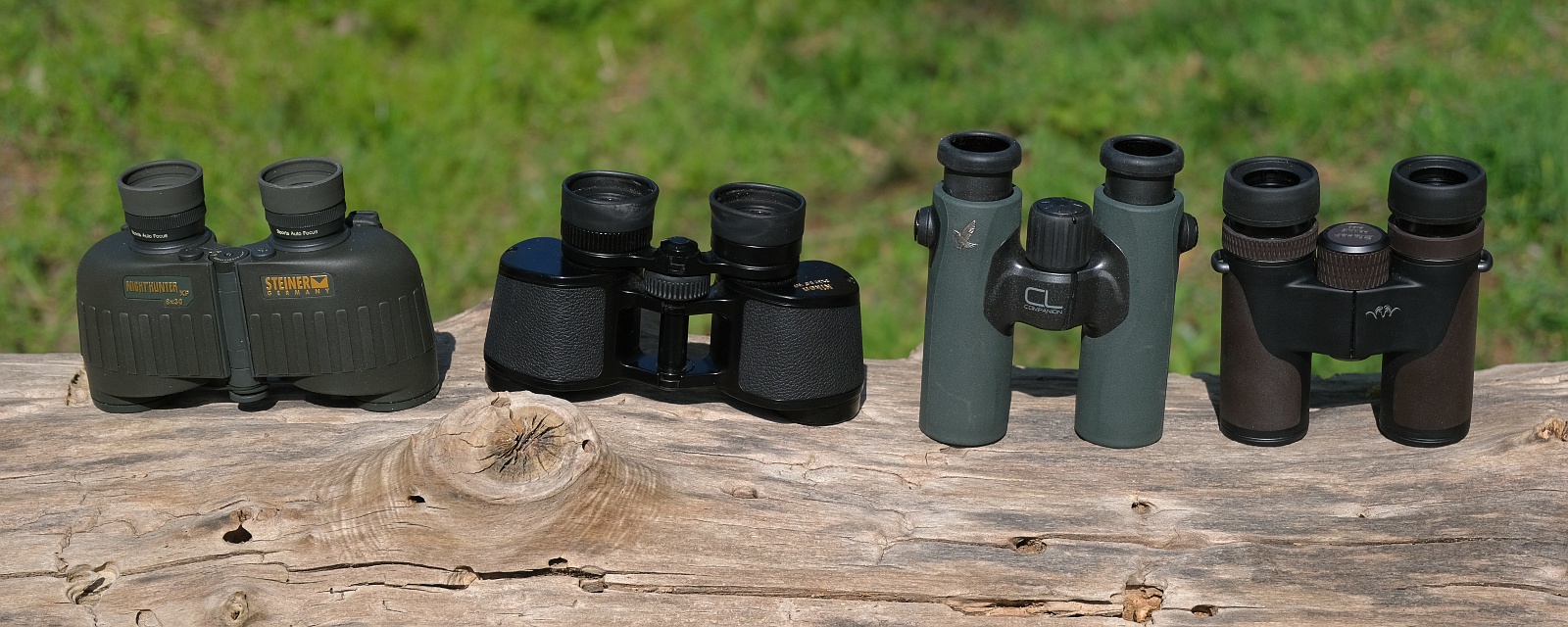
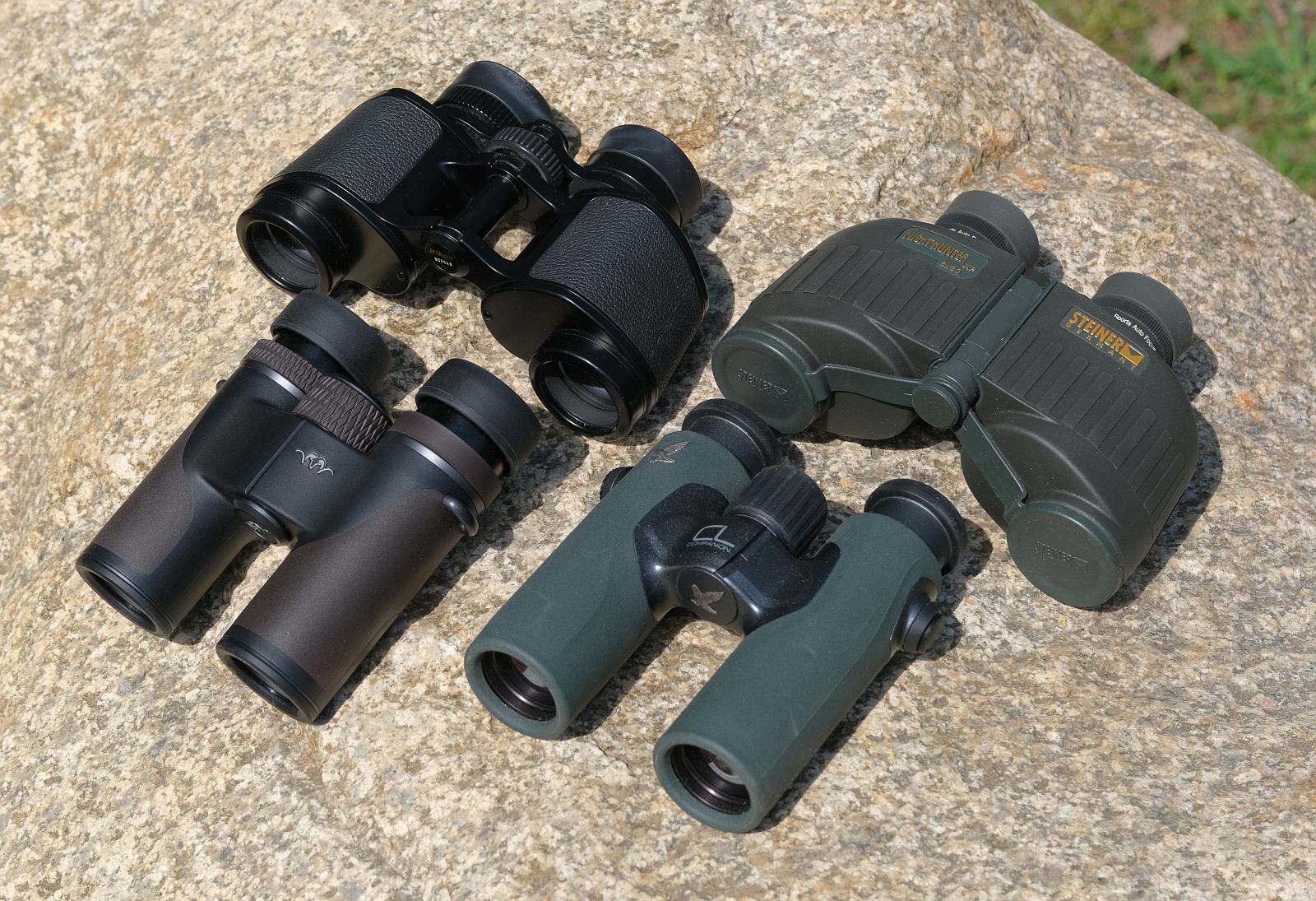
1. Blaser Primus 8x30 vs Nikon 8x30 E II vs Steiner NightHunter 8x30 XP vs Swarovski CL Companion 8x30 B
 |
 |
Please Support UsIf you enjoy our reviews and articles, and you want us to continue our work please, support our website by donating through PayPal. The funds are going to be used for paying our editorial team, renting servers, and equipping our testing studio; only that way we will be able to continue providing you interesting content for free. |
- - - - - - - - - - - - - - - - - - - - - - - - - - - - - - - - - - - - - - - - - - - - - - - -
Still, the situation on the market was very dynamic and soon it changed to the detriment of the Primus. Only after several years there were already many direct rivals on the market and the following chart presents them all. In such a situation Blaser could hardly dream of taking the market by storm.
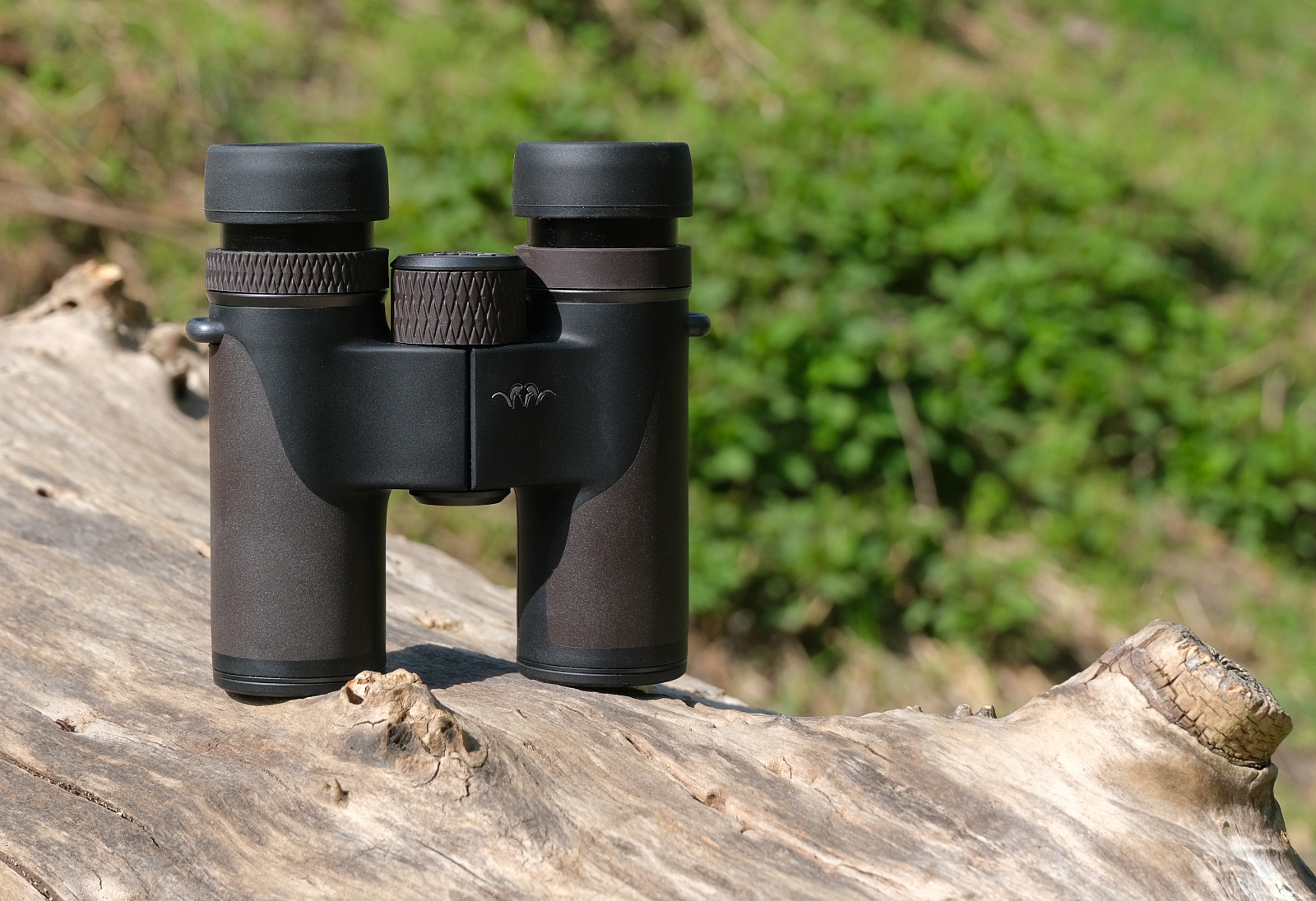 |
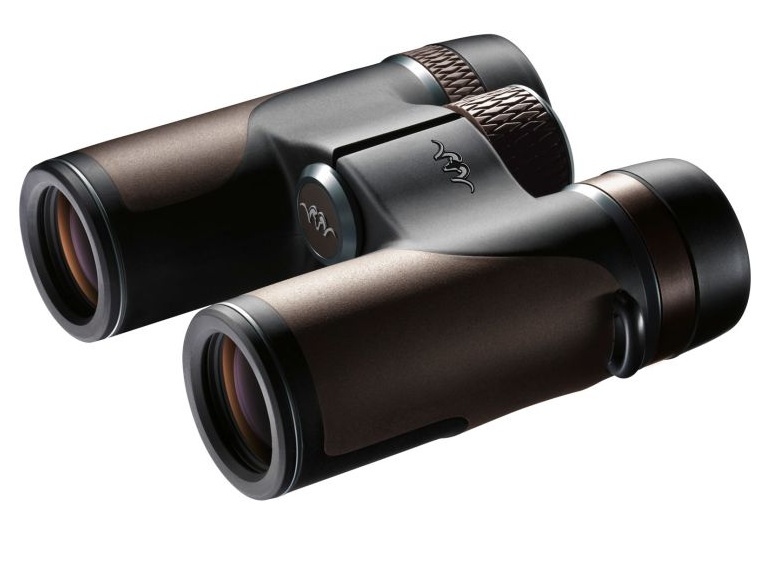
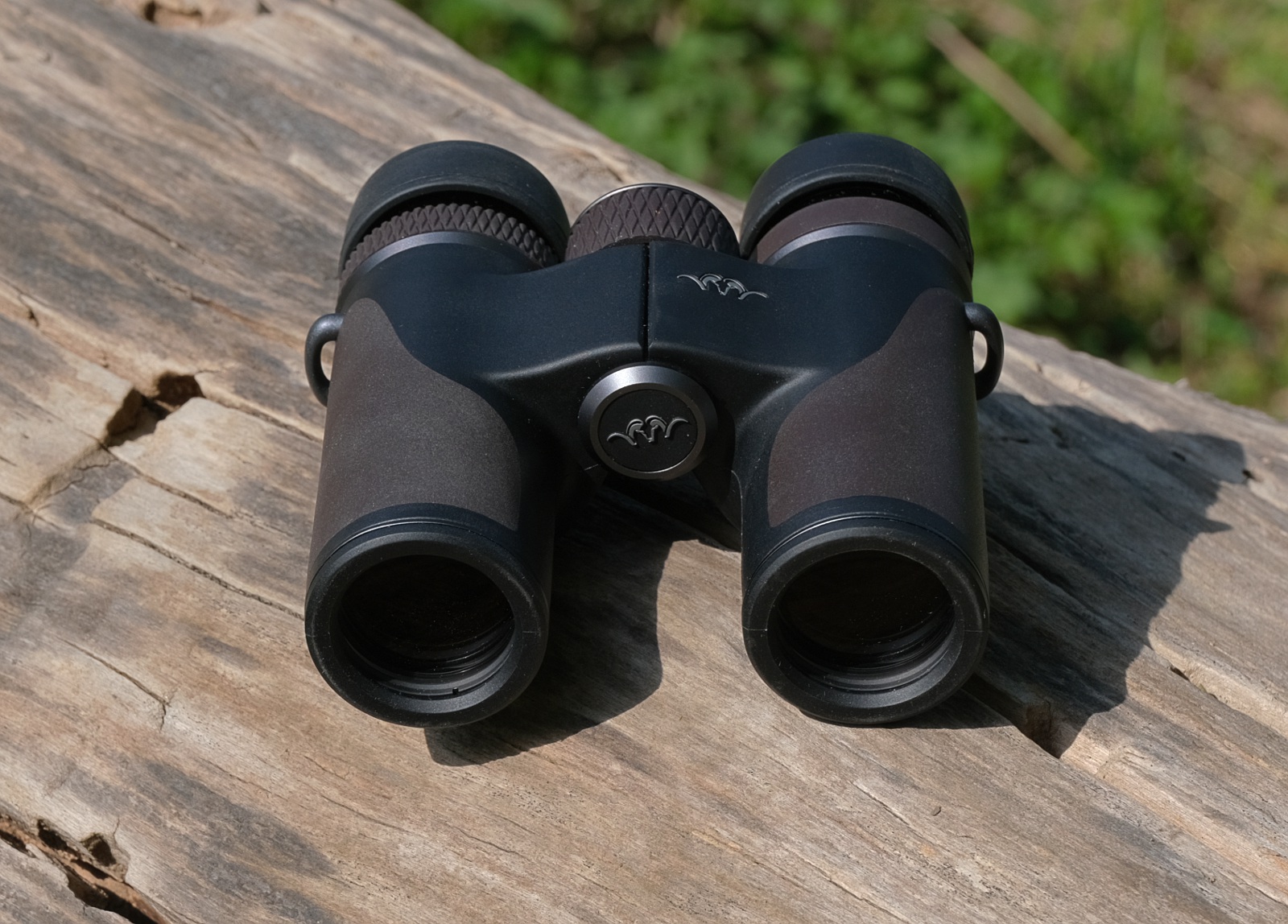
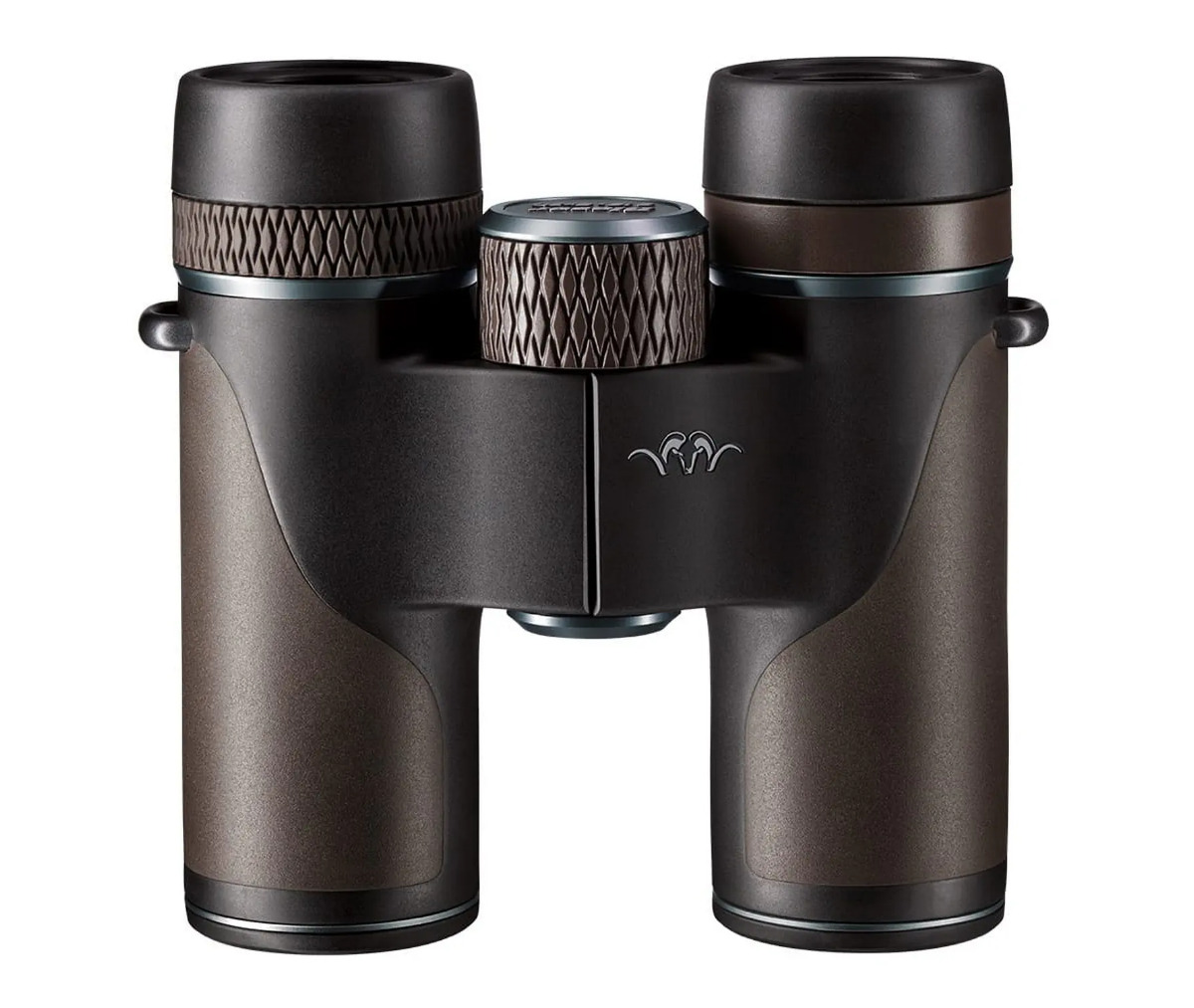
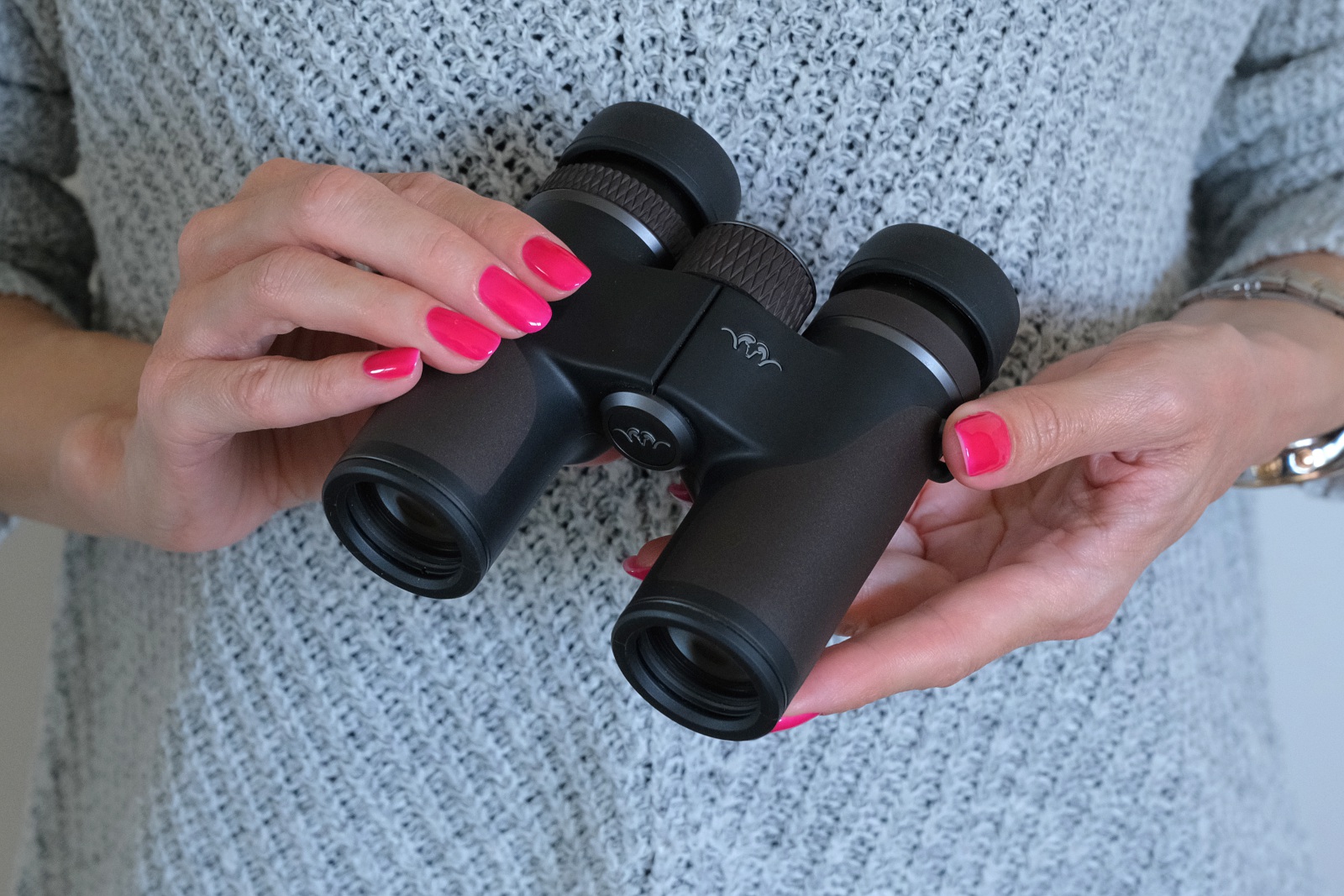
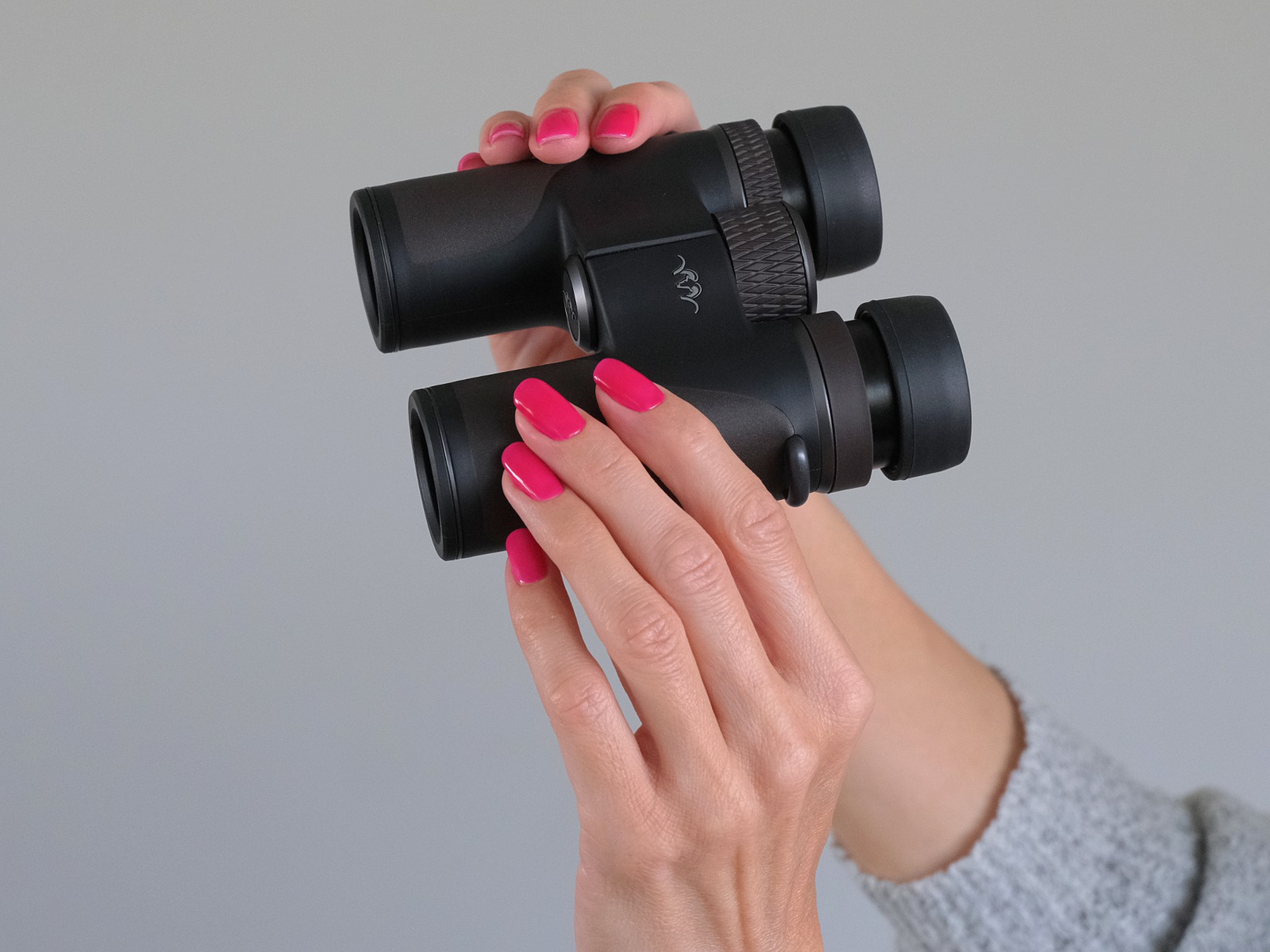
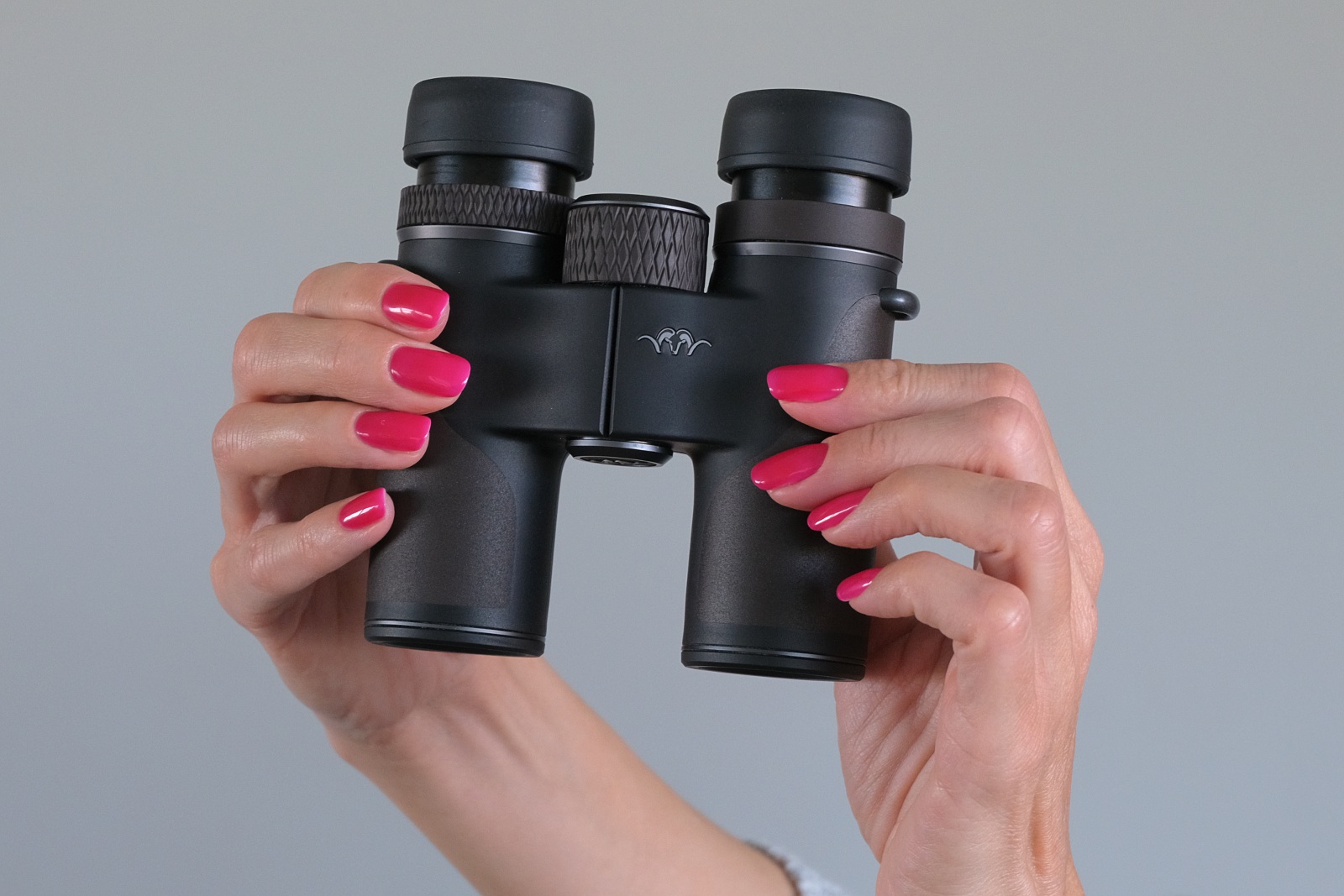
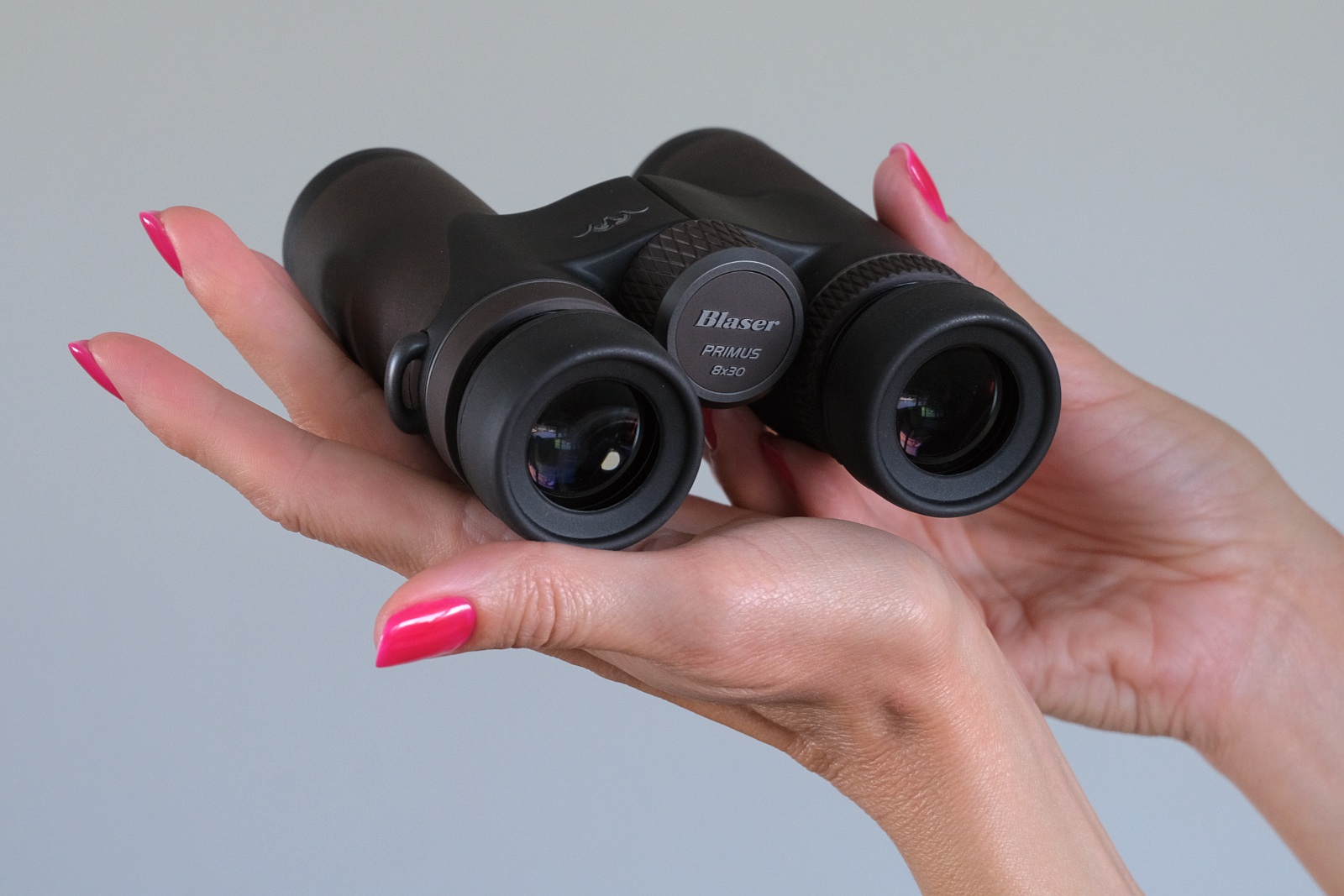
Kamil Suski, the boss of Beafoto, was kind enough to lend me the Primus 8x30 for several days so I could play with it. I knew it was too short a period of time to perform a full test of these binoculars, as we would have to send it for trasmission tests which we usually outsource and they take a lot of time. I also was rather unwilling to spend so much time on a pair of binoculars that soon will disappear from the market. Still, as I had a lot of fun playing with the Primus I decided I would like to leave a trace of my actions.
 |
| Parameter | Blaser Primus 8x30 | Nikon 8x30 E II | Steiner NightHunter XP 8x30 | Swarovski CL Companion 8x30 |
|---|---|---|---|---|
| Field of view (°) | 8.3 | 8.8 | 7.4 | 7.6 |
| Eye relief (mm) | 18 | 13.8 | 20 | 16 |
| Min. dist. (m) | 2 | 3 | 5 | 3 |
| Weight (g) | 475 | 575 | 528 | 490 |
| Dimensions (mm) | 118 x 114 | 101 x 181 | 105 x 190 | 127 x 118 |
To anticipate the facts a little I would like to say that this comparison was a joy to make. The duel was really on a high level, each and every pair of binoculars was a great fun to handle as every one of them offers you something unique.
 |
Our testing categories are as follows:
- Biult quality - this one is easy, we check the build quality of each pair of binoculars, focusing on materials it is made of, blackening of the interior, cleanliness, and how operate individual parts.
- Field of view - it's one of the most important parameters so I feel it deserves to be assessed separately.
- Image resolution - in this case we assess sharpness in the centre and on the edge of the field of view and also diaphragm cutoff.
- White balance and contrast - here we check whether the binoculars is able to produce natural colours and what its global image contrast is.
- Chromatic aberration - in this category we assess chromatic aberration correction in the centre and on edges of the field of view.
- Distortion - we assess geometric deformation of images, checking where it appears and how pronounced it is.
- Night tests - we use stars for these tests, checking astigmatism, coma, and brightness loss on the edge of the field. We decided to gather all these features in just one category.
- Ghosting and flares - we check the appearance of area close to the exit pupil, the performance against bright source of light (both during the day against the sun and at night, looking at bright lampposts).
 |
So let's move on to discussing the results in the individual categories.
Build quality
In this category there is just one winner – the Steiner NightHunter XP. In my opinion it represents the peak of possibilites of this German company, lowered after launching its successor called NightHunter Xtreme, with a less classic, softer casing.
The XP is a classic Porro construction closed in a weather-sealed, virtually armoured barrel, made of Makrolon. It's a high-performance, thermoplastic material patented by Bayer, a kind of polycarbonate with an addition of fiberglass. This way its structure is almost as rigid as metal but it preserves unique properties of plastic. It is impact resistant, thermically stable, it doesn't corrode and is resistant to different chemical substances. As if it wasn't enough, the pair of binoculars remains completely weather-sealed and waterproof, partially due to an individual focusing system for each of eyepiece. It is also the only device in our test featuring valves that allow you to refill nitrogen inside.
The interiors of the tubes are very well blackened and matted, without any dirt or specks of dust.
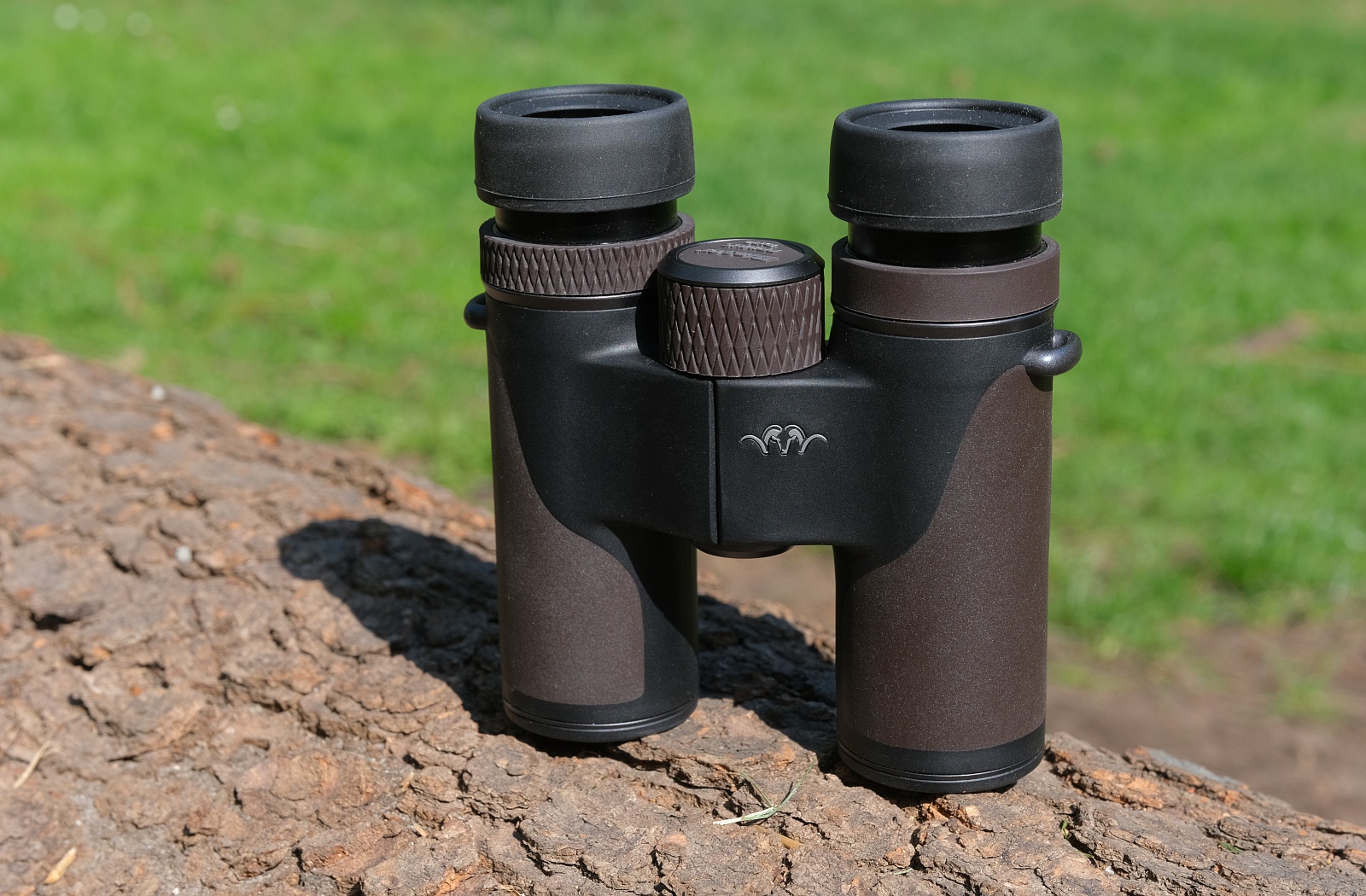
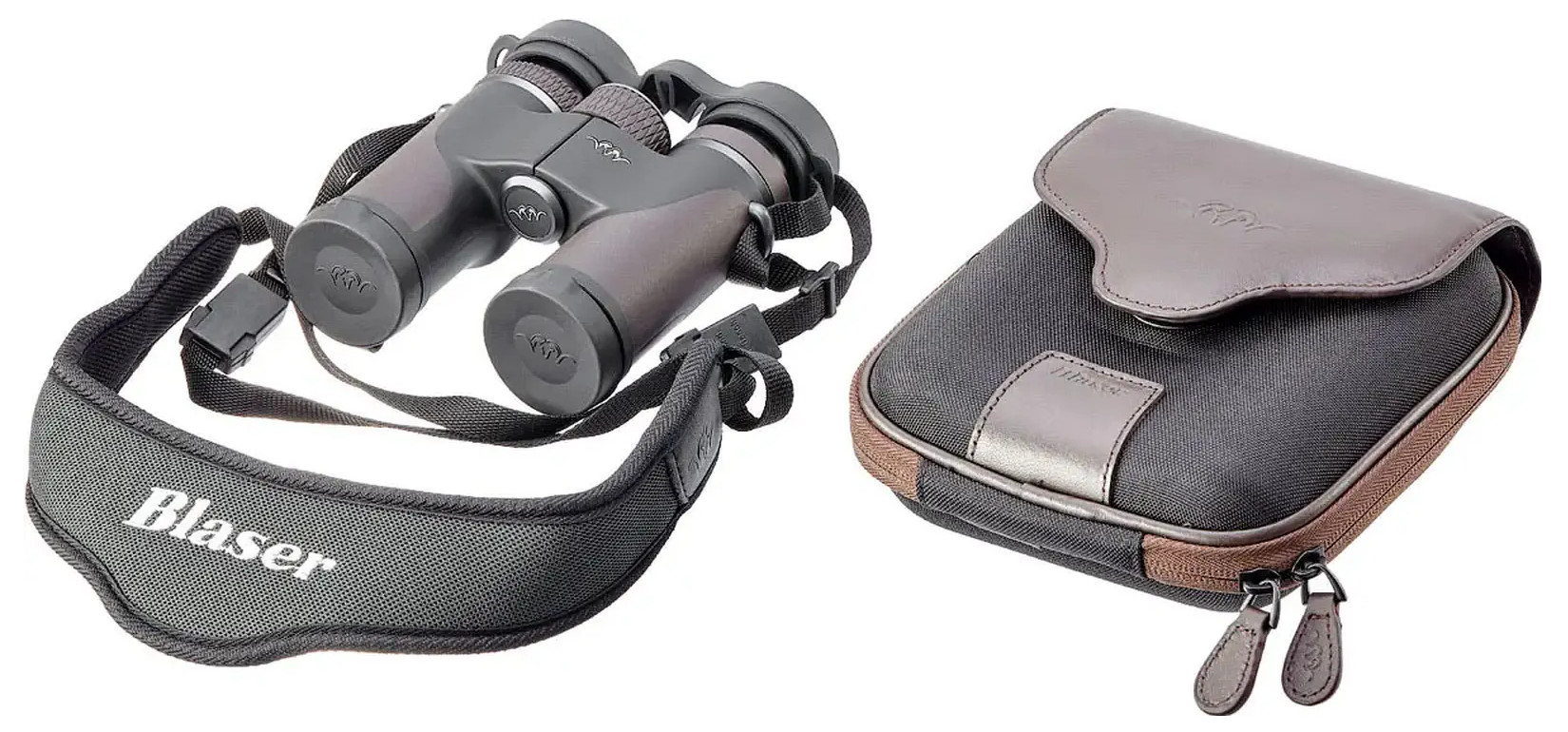
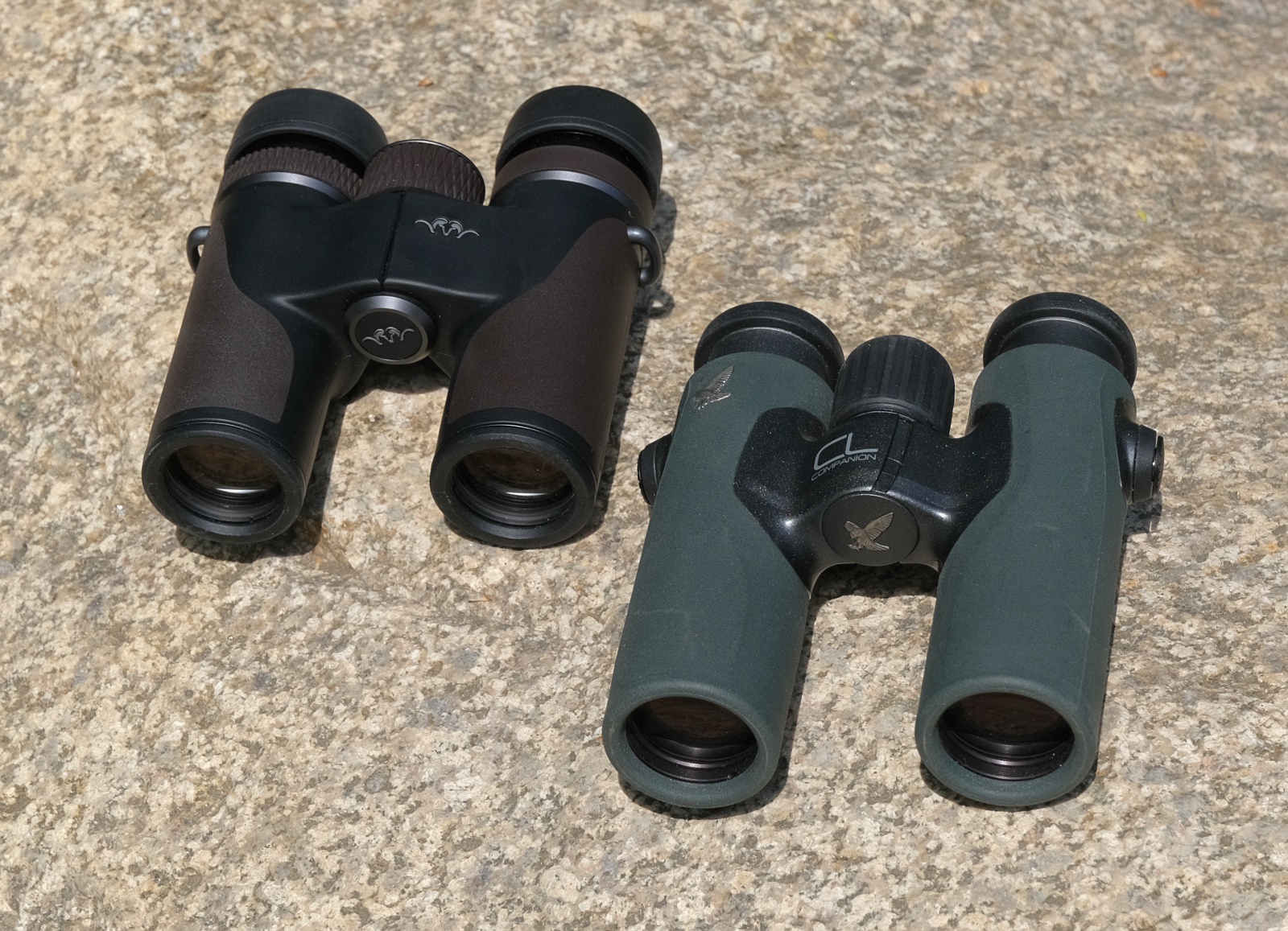
When it comes to the second place the competition was fierce, with two leaders, the Blaser and the Swarovski. Both these pairs of binoculars are very well-put-together, solid instruments, with rubber armour covering their barrels. They are completely waterproof, nitrogen purged, with proper blackening inside but in both cases you can notice gray or slightly shiny parts inside. The Companion managed to prevail for a while with its closed dioptre correction system because the Primus gives you just a classic ring on the right eyepiece, moving the outer element. The Blaser returned to the leading position with its barrel that we find a tad more stylish, slightly better fitted, shorter and lighter. What's more you get a bigger eye relief distance and a better minimum focusing distance. As if it wasn't enough, the Blaser features excellent and very stylish accessory kit, along with a hard case and a comfortable neck strap. On the other hand Swarovski at first asked for several hundred PLN more if you wanted to get just an ordinary protective case. For some time I thought that the Blaser deserves a tad more points.
Still, finally we decided to put these two pairs of binoculars on the scales. According to specifications the CL Companion weighs 490 grams but its real weight (without caps and a strap) amounts to just 475 grams, exactly as much as the declared weight of the Blaser Primus. What about our measuring of the Primus itself? It was a big surprise as the scales showed as much as 506 grams so 6.5% more than official declarations and the real weight of the Companion. Contrary to the specifications the Swarovski device proved to be physically lighter so in this category when it comes to the second place we have to announce a draw.
The classic Nikon 8x30 E II finished as the last and small wonder. It is a pair of binoculars with the outer ocular bridge, devoid of any waterproof qualityes and not thoroughly blackened inside (white glue!).
 |
Field of view
In this category the Nikon 8x30 E II is an unmatched winner, with a field reaching 8.8 deg. There is a WOW effect whenever you look through it and most of users agree with me wholeheartedly. Of course you have to remember that there is a price for it – the shortest eye relief distance that might be problematic for people wearing glasses.The Blaser once again managed to win the second place. Its field is by half a degree narrower than the field of the Nikon but still it remains comfortable and very wide. There is also an excellent eye relief distance, amounting to 18 mm. This pair of binoculars is a joy to use and to look through, without any off-axis effects or black-outs.
The third place is occupied by the CL Companion. Apparently its producers had found out that in the premium class of equipment a field of 7.6 deg is not enough for contemporary standards so in March 2026 they presented a new version of this model with a field reaching already 8 degrees.
The Steiner, with a field of 7.4 deg, finished as the last. This field is perhaps not significantly wide but with eyepieses of an apparent field of view reaching 59 deg it remains comfortable even today. Anyway you don't get an impression of looking through a keyhole.
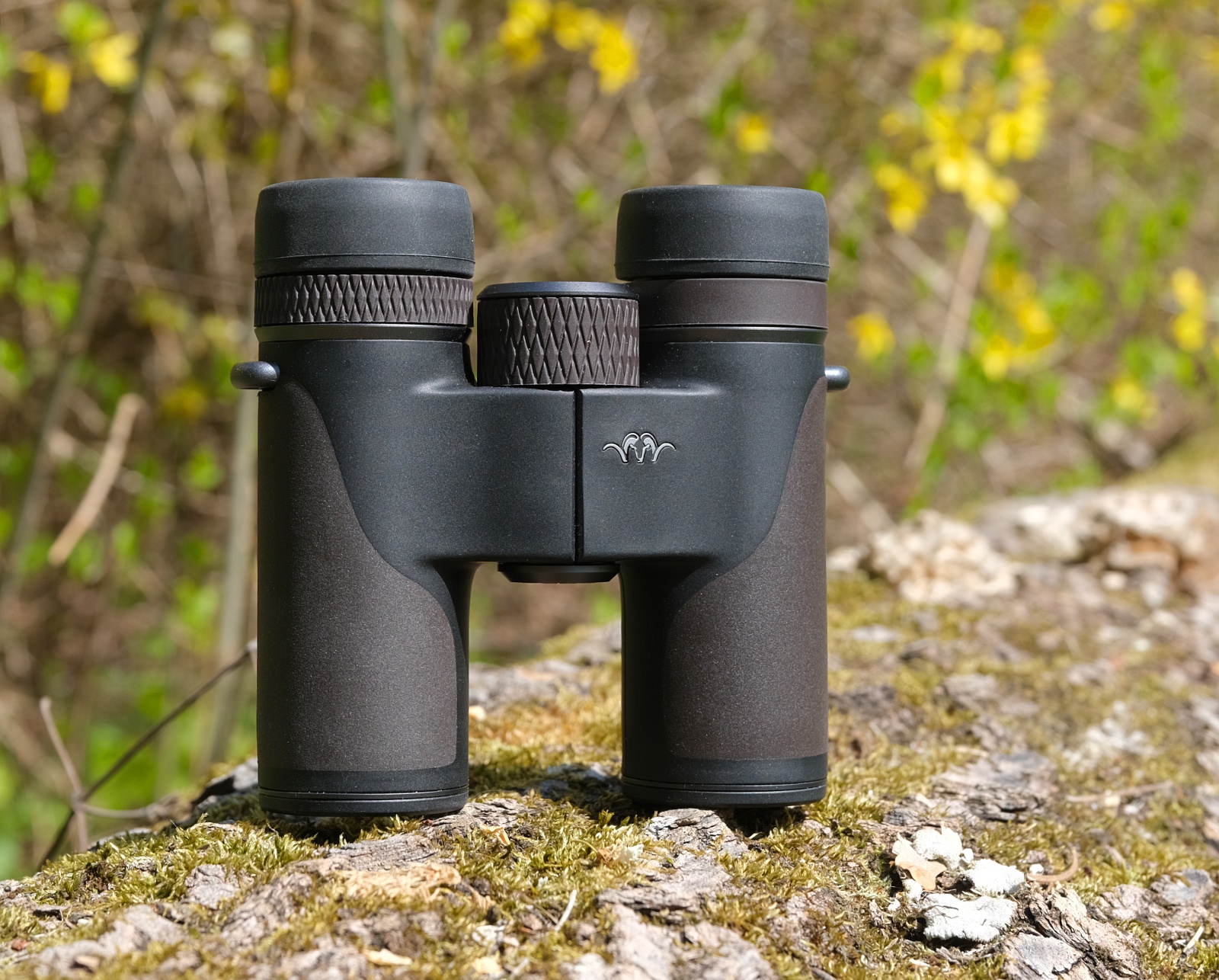 |
Image resolution
The duel for the first position between the Swarovski and the Steiner was really fierce. The second contender offers you top-of-the-range optics as the efficient Porro system, with excellent antireflection coatings. At the same time, with a relatively simple optical system the amount of light absorbed by glass is not high. As a result the sharpness and clarity of image in the centre is really impressive. The sharpness on the edge of this not especially impressive field of view should have been better for a change.The sharpness on the edge of the field is an asset of the Companion – it fares distinctly better than the Steiner. In the field centre the cleanliness and microcontrast are similar to the performance of the Steiner but with a tad better diaphragm. As a result the Swarovski prevails here.
Perversely speaking the duel for the last place was equally fierce. When it comes to sharpness the Blaser was better than the Nikon - only slightly in the centre but significantly better on the edges, with just about 20% of field of view radius being blurry versus 25-30% of the Nikon. In both cases the diaphragm was nicely separated on the edge, a feature especially impressive when it comes to the Nikon which features a really huge field of view.
 |
White balance and contrast
In this category the Steiner is undoubtedly the best. It is characterized by simply brilliant transmission and sensational white balance. I've used the Steiner for many years myself and I've always been enchanted by natural colours and crisp, crystal-clear, properly contrasted images it is able to deliver. A class of its own.The CL Companion lands on the second place, with a bit less natural colours and just a tad of blue hue. As a model with Schmidt-Pechan prisms it also is weaker than the Steiner when it comes to transmission.
Colouring and image brightness are strong points of the Nikon. Its efficient Porro construction provides very good transmission and proper contrast and colouring comes with just very slight shade of red.
The Blaser features a noticeably warmer image with delicate yellow hues mixed with green, a slight effect but noticeable already at first glance. As long as you don't compare this pair of binoculars to any other instrument, just look through them, everything is fine. If you start comparing it to the Steiner and the Swarovski, both excellent in this category, it loses hands down.
In its official specifications Blaser declares transmission on a level of 90%. Perhaps this value is reached but only for yellow-green light; for other wavelengths you certainly get lower values. The overall transmission averaged out across the wider light spectrum is certainly lower than in case of other binoculars from this test. Anyway the Swarovski, with a flat graph and values reaching 89-91%, provides an image that is noticeably brighter, more natural and contrasted.
Chromatic aberration
When it comes to chromatic aberration in the field of view centre the Blaser performed the best, with the Steiner as the second and the Nikon as the close third, with just minimally weaker result. The Swarovski landed n the fourth place. The edges of the field of view changed that – the best was the Nikon, a very impressive result as these binoculars also feature the wider field of view, the second was the Blaser, the third the Steiner and once again the Swarovski ended as the last one.
To sum up the final order is as follows: The Blaser, the Nikon, the Steiner, and the Swarovski.
 |
Distortion
In this category the Steiner surprised us and not in a nice way. It's a bit of a shame that a pair of binoculars with the narrower field of view also features the highest level of distortion – it becomes visible already in the half way to the edge. The Nikon 8x30 E II fares a tad better but in its case the field is huge so the presence of distortion is nothing surprising.
The duel between the Blaser and the Swarovski was very tight but finally the model from Austria prevailed.
 |
Night tests
In case of coma the Steiner and the Swarovski compete neck and neck. Their coma starts near 3/4 of the field of view radius and lands on the borderline between low and medium level. It looks like a draw.
The Blaser occupies the third place, with coma appearing already near 65-70% of the radius and is medium on the edge. The Nikon is the last one as in its case the coma is visible already near 60% of the radius and its level on the edge is high.
When it comes to astigmatism we observed a very fierce duel between three pairs of binoculars. The Nikon, the Steiner, and the Swarovski managed to show point-like images of stars. In case of the Blaser the sparkling of stars was the most pronounced even though it still could be called low.
When it comes to brightness loss on the edge of the field of view we didn't see any noticeable differences between models described in this group. Every pair of binoculars showed a level that in our tests guarantees you 4-4.5 points out of 5.
To sum up the night part of our test is won rather predictably by the NightHunter. The second place goes to the Swarovski, the third is the Blaser and finally the Nikon with a minimal loss to the Blaser.
 |
Ghosting and flares
When you look at exit pupils of all the binoculars, you know that there are no obvious favourites. The pupils of the Nikon and the Steiner are nice and round but the area near them is gray, with a bit of reflections generated in Porro prisms that are put closely together. The Swarovski also doesn't offer you a perfectly black background and, additionally, you see some gray areas and a slight brigher arc. The Blaser performs similarly but its arc seems to be slightly more intensive. If I had to arrange a kind of a leaderboard the Swarovski would be the first, then the Blaser, and finally the Nikon and the Steiner with similar result.
For small binoculars performance against bright light has always been a huge challenge. Reduced dimensions mean less places for additional apertures and baffles and it concerns mainly very short Porro models where the distance between the objective lens and the prism cell is really small. It seemed the Swarovski would fare the best here because of its longest tubes, but it is not the case. At a specific combination of a position of the field of view against the bright light you could notice flares and contrast loss and it was true for every pair of binoculars from this group. The Blaser and the Nikon fared the best, with the lowest number of the flares; the rest two models fared a tad weaker but similar to each other.
At night, when positioned against bright lapposts, the Blaser performs the best. In its case there are no distinct flares or loss of contrast, just slight sparking of bright sources of light as you move towards the edge of the field of view. The Nikon is the second one – in its case the lamps put near the diaphragm feature a slight halo and you can also register some ghosting and slight contrast loss in the centre. The third place occupies the Swarovski. The lamps put close to the centre have some spikes and in the middle of the field of view radius this effect is maximized with bigger spikes that turn into pale radial lines that take most of the field. On the very edge you can also observe a slight colourful halo. The Steiner gets a third place as well – the lamps put at the top of the field show colourful halo and moved toward the bottom feature equally colourful panaches aimed upwards. There is no distinct contrast loss but momentarily you can notice small ghosting effect.
To sum up the Blaser is the best in the ghosting and flares category, the Nikon is the second, the third place is occupied by the Swarovski and the Steiner is the last.
Final results
The summary of results in all testing categories you can find in the chart below.
| Parameter | Blaser Primus 8x30 | Nikon 8x30 E II | Steiner NightHunter XP 8x30 | Swarovski CL Companion 8x30 |
|---|---|---|---|---|
| Built quality | 2.5 | 1 | 4 | 2.5 |
| Field of view | 3 | 4 | 1 | 2 |
| Resolution | 2 | 1 | 3 | 4 |
| Color and contrast | 1 | 2 | 4 | 3 |
| Chromatic aberration | 4 | 3 | 2 | 1 |
| Distortion | 3 | 2 | 1 | 4 |
| Night tests | 2 | 1 | 4 | 3 |
| Ghosting and flares | 4 | 3 | 1 | 2 |
| Result | 21.5 | 17.0 | 20.0 | 21.5 |
The Primus and the Companion are the winners but their advantage over the NightHunter is not very big. The Nikon lags behind a bit but it's rather a result of simplified procedures and the score without any weights. If you look at the results of our comprehensive tests presented in the 8x32 class ranking, the order is a bit different, with the Nikon faring better than the Steiner.
In fact all four pairs of binoculars, compared in this test, are excellent models, each and every one of them being exceptional in its own way. We added this 'donkey between two bundles of hay' in the title for a reason – if I had to choose one model out of these four I would have a lot of problems. After making a choice I bet I would regret it immediately, feeling I missed out something important.
 |
I had a lot of fun, compiling this material, and playing with four excellent pairs of 8x30 binoculars. Now I only hope that you have had as much fun while reading this material.
 |