


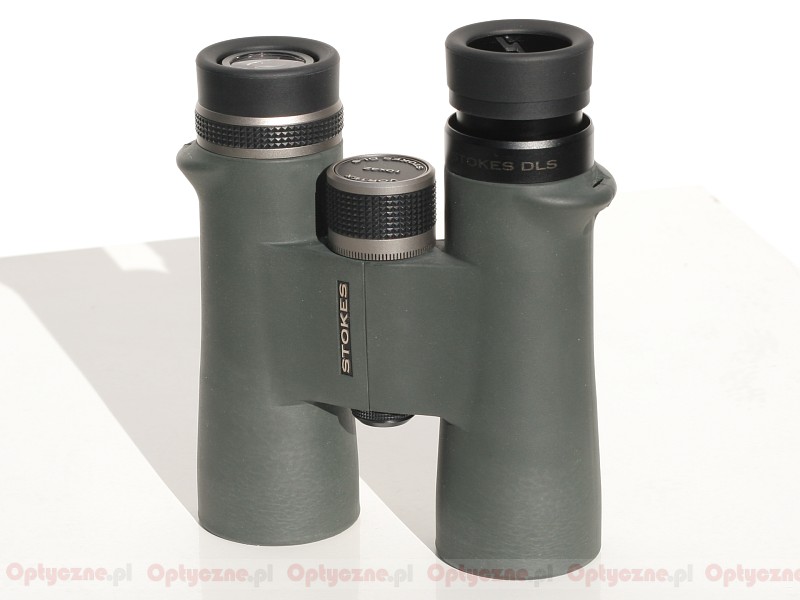
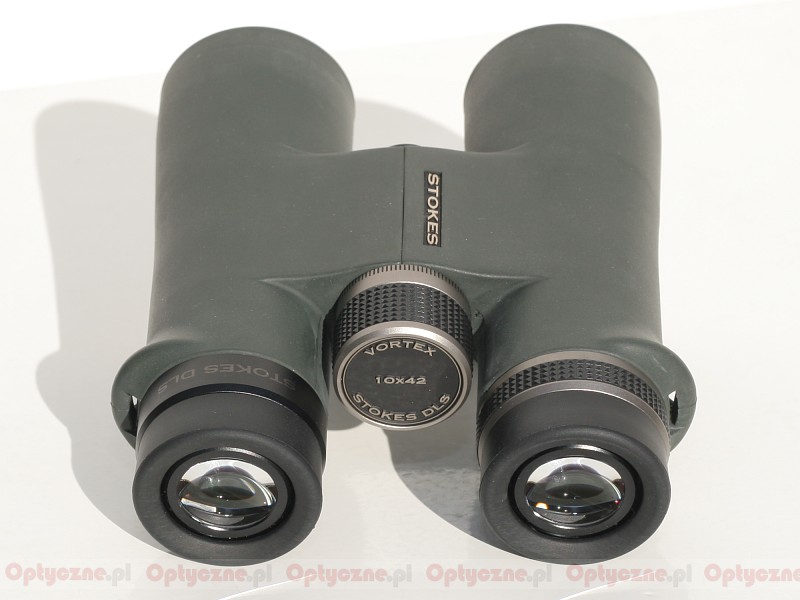
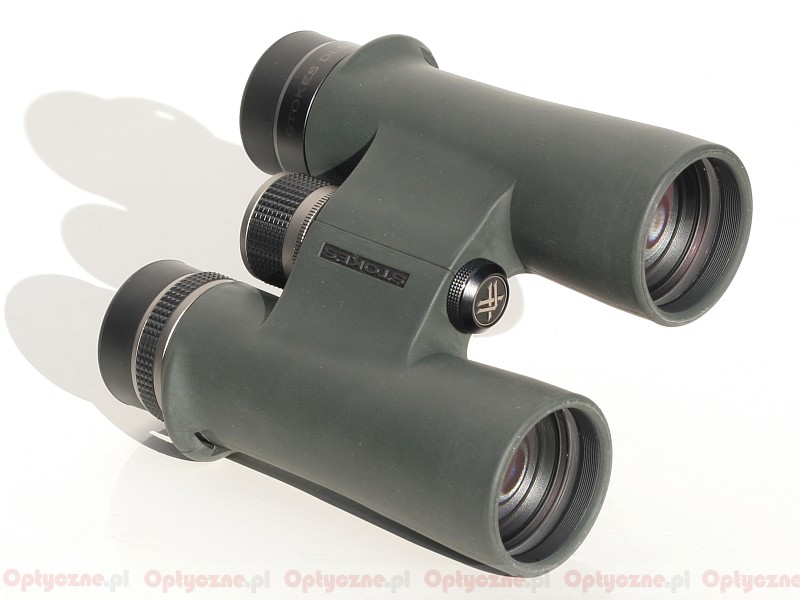
Vortex Stokes DLS 10x42
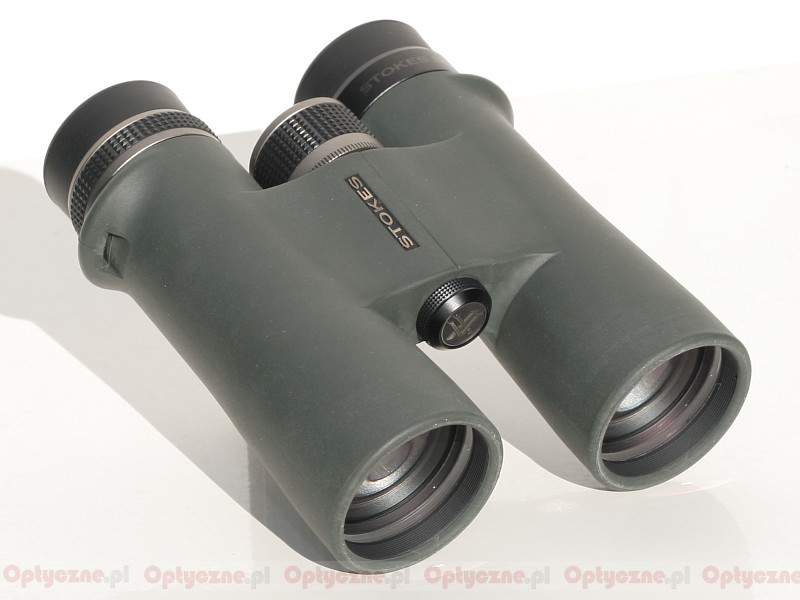


| Magnification | Lens diameter | Angular field of view | Prisms | Eye relief | Weight | Price |
|---|---|---|---|---|---|---|
| 10 | 42 | 103/1000(5.9o) | BaK-4/roof | 17 mm | 750 g | 2999 PLN |
| Real front lens diameter |
Left: 41.43+/-
0.05 mm Right: 41.41+/- 0.05 mm |
5 / 8.0 pkt | ||||
|---|---|---|---|---|---|---|
| Real magnification | 10.33+/- 0.2x | 3/3.0 | ||||
| Transmission | 88+/- 3% | 15.5/25.0 | ||||
| Chromatic aberration | Low in the centre, distinct at the edge. | 5.2/10.0 | ||||
| Astigmatism | Between medium and slight. | 6.3/10.0 | ||||
| Distortion | The distance of the first curved line from the field centre compared to the field of view radius: 40% +\- 4% | 4/10.0 | ||||
| Coma | Between medium and slight. | 6.1/10.0 | ||||
| Blurring at the edge of the FOV | The blur occurs in the distance of 84% +\- 3% from the field of view centre. | 6.5/10.0 | ||||
| Darkening at the edge the FOV | Noticeable. | 3.5/5.0 | ||||
| Whiteness of the image | Almost perfect. | 4.6/5.0 | ||||
| Collimation | Exemplary. | 5/5.0 | ||||
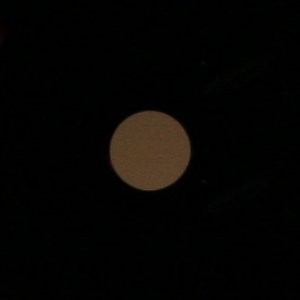
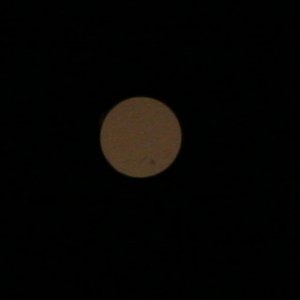
| Internal reflections |
|
3.6/5.0 | ||||
| Housing | Solid and very stylish. It makes an impression of being very compact. The rubber sticks out a bit near objective lenses. Comfortable to hold and to look through. Eyecups with stops. | 7.7/8.0 | ||||
| Focusing | Very comfortable central screw (450 degrees). Super convenient focusing on the right eyepiece with click stops but it moves the lens.. | 4.7/5.0 | ||||
| Tripod | There is a comfortable exit. | 3/3.0 | ||||
| Interpupilary distance | from 57.8 to 76.5mm | 5/6.0 | ||||
| Closest focusing distance | 1.2 m. | 2/2.0 | ||||
| Eyepieces FOV | Apparent field of view of 57.6 deg (according to simple formula) and 53.4 deg (according to tangent formula). | 9/20.0 | ||||
| Field of view | Measured by us amounted to 5.58 +\- 0.03 degrees and was as many as 0.32 degree narrower than stated in the specifications. | 3/8.0 | ||||
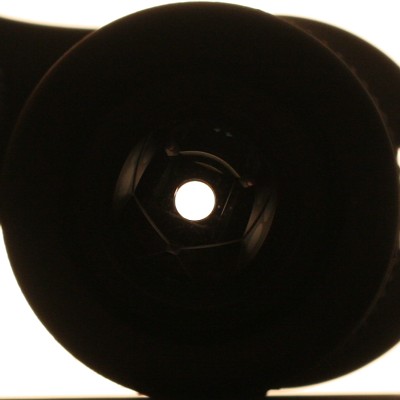
| Quality of the interior of the barrels | Black inner tubes, only minimally shiny, black bottom. Several hairs and specks of dust in both inner tubes. | 3.9/5.0 | ||||
| Vignetting |
|
6.5/8.0 | ||||
| Prisms quality | High quality BaK-4. | 8/8.0 | ||||
| Antireflection coatings | Green on the objectives and prisms. Green-purple on eyepieces. Low intensity. | 5/5.0 | ||||
| Warranty [years] | Lifetime warranty. | 6/6.0 | ||||
| Final result |
69.5%
28th place in the overall ranking of the 10x42 binoculars test. |
132.1 / 190 pkt | ||||
| Econo result | 50th place in the econo ranking of the 10x42 binoculars test. | -8.9pkt. |
Summary
Pros:
- solid and tasteful casing,
- high transmission,
- sharp image already from 1.2 metres,
- excellent whiteness rendition,
- very good eyepieces’ gauge,
- high quality of prisms and coatings,
- lifetime warranty.
Cons:
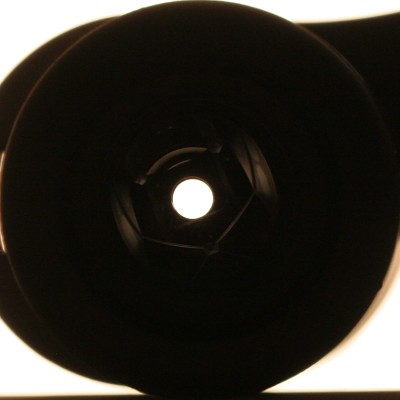
- slightly truncated pupils,
- field of view narrower than stated in the specifications,
- distinct chromatic aberration at the edge of the field,
- the distortion could have been lower,
- the objective lenses’ diameter could have been closer to 42 mm.
We had grounds for thinking that this binoculars would be in the narrow elite of our test’s best instruments – a very solid, nice casing, high price, lifetime warranty, the field of view of 5.9 degrees which doesn’t demand overworking the edges…
It didn’t happen, though, and the score of 125 points, although good in itself, leaves us feeling unsatisfied, especially if we look at the place of the Stokes in the ranking and compare it with the scores of other instruments.
Several factors are responsible for it. The real field of view was proven to be narrower than that stated in the specifications and the same was true for the objectives’ diameters. Exit pupils were slightly truncated. In other categories the binoculars fared just a bit over average results and that “just a bit” part is the trouble. A set of binoculars with the price of 1000 USD can be expected to perform significantly above the average.