


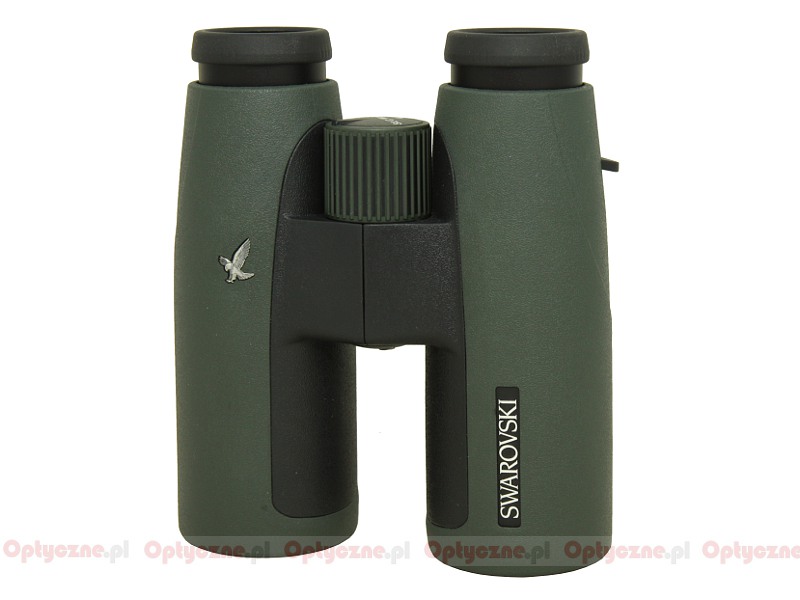
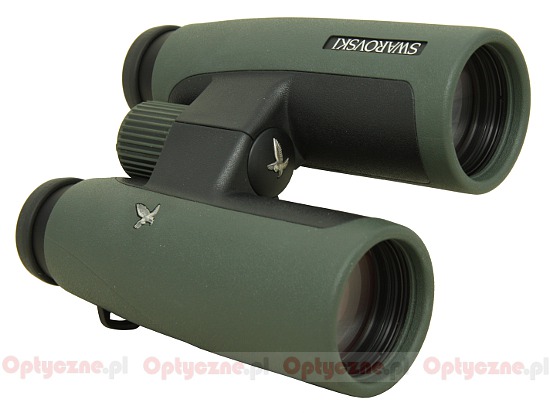
Swarovski SLC 10x42 WB HD

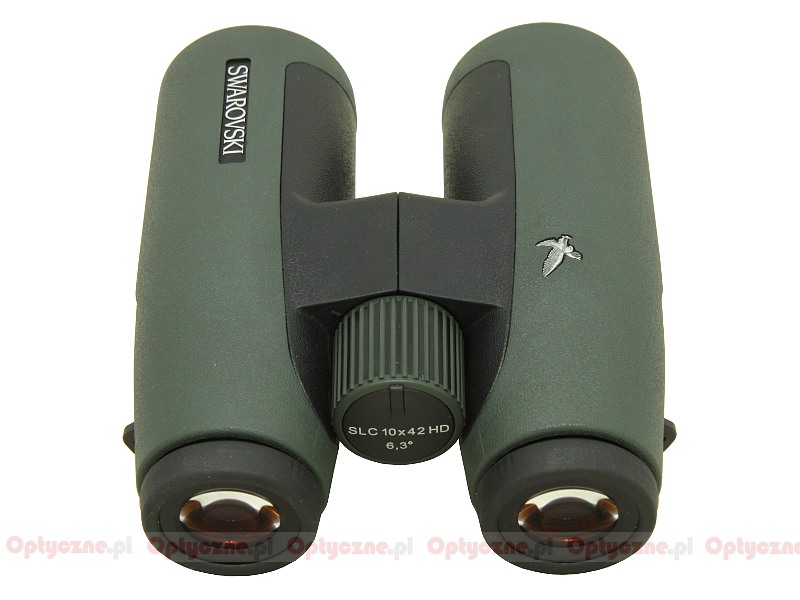
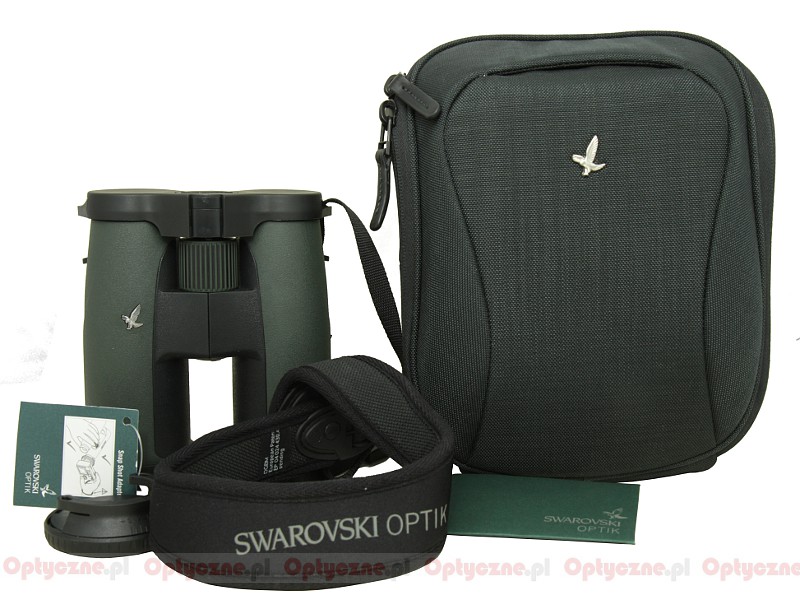
The buyer gets two caps, a comfortable strap, a stylish case and a digiscoping adapter in the box. The binoculars come with a 10-year guarantee.

| Magnification | Lens diameter | Angular field of view | Prisms | Eye relief | Weight | Price |
|---|---|---|---|---|---|---|
| 10 | 42 | 110/1000(6.3o) | BaK-4/roof | 16 mm | 790 g | 7999 PLN |
| Real front lens diameter |
Left: 42.05+/-
0.05 mm Right: 42.08+/- 0.05 mm |
8 / 8.0 pkt | ||||
|---|---|---|---|---|---|---|
| Real magnification | 9.85+/- 0.05x | 3/3.0 | ||||
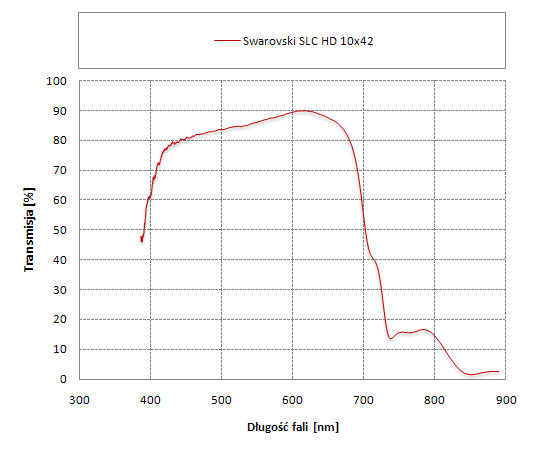
| Transmission | 85.6+/- 1.5% | 13/25.0 | ||||
| Chromatic aberration | Low in the centre, medium on the edge. | 7.3/10.0 | ||||
| Astigmatism | Low. | 8.4/10.0 | ||||
| Distortion | The distance of the first curved line from the field centre compared to the field of view radius: 39% +/- 4% | 4/10.0 | ||||
| Coma | Starts in the distance of about 70% of the field and on the very edge is medium. | 7.2/10.0 | ||||
| Blurring at the edge of the FOV | The blur occurs in the distance of 95% +/- 3% from the field of vision centre. | 9/10.0 | ||||
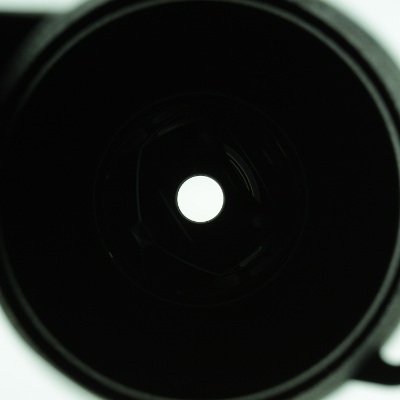
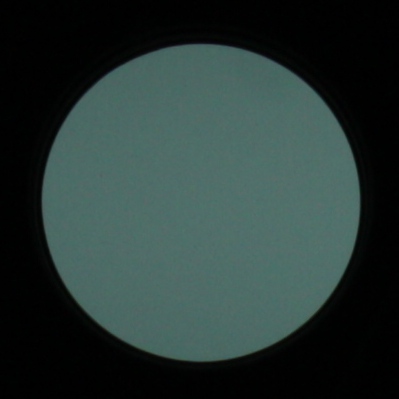
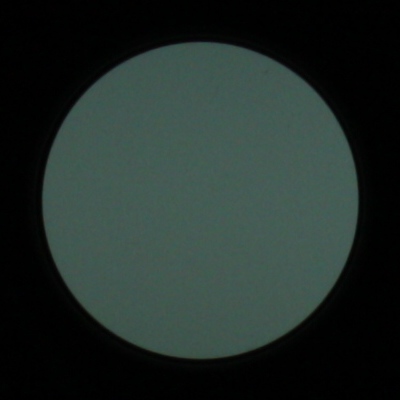
| Darkening at the edge the FOV | Practically imperceptible. | 4.7/5.0 | ||||
| Whiteness of the image | Good. The transmission curve is slightly slanted and there is a distinct cut-off on the border between the visible spectrum and infrared. | 4.1/5.0 | ||||
| Collimation | Perfect. | 5/5.0 | ||||
| Internal reflections |
|
4.5/5.0 | ||||
| Housing | Small and handy, noticeably smaller than the EL Swarovision. It could have been even shorter because the outer elements of the objective lenses are hidden inside the tubes by over 1 cm. Very stylish, very comfortable to handle and to look through. Rubberized eyecups with three detented stops. The rubber near objectives sticks out a bit. | 7.8/8.0 | ||||
| Focusing | Significant central wheel, ribbed, with the full working range amounting to as much as 740 degrees. It works very loosely, perhaps even a tad too loosely. Individual focusing through the click-stop system on the central wheel. Perfect. | 4.9/5.0 | ||||
| Tripod | No. You have to buy an optional adapter. | 2/3.0 | ||||
| Interpupilary distance | from 56.7 to 75.1mm | 5/6.0 | ||||
| Closest focusing distance | 1.8 m | 2/2.0 | ||||
| Eyepieces FOV | Apparent field of view of 61.8 deg (according to simple formula) and 56.7 deg (according to tangent formula). | 11.5/20.0 | ||||
| Field of view | Measured by us amounted to 6.27 +/- 0.04 degrees and it was in accordance with that stated in the specifications. A huge field for this class of equipment. | 6.5/8.0 | ||||
| Quality of the interior of the barrels | Everything black and matt. Almost perfectly clean inside. | 4.8/5.0 | ||||
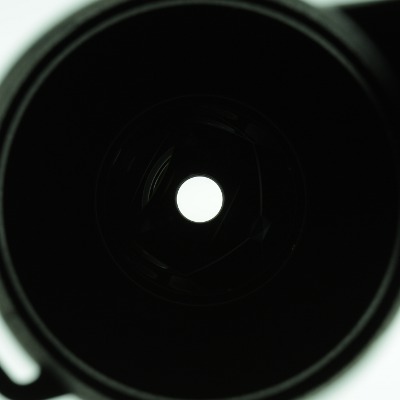
| Vignetting |
|
8/8.0 | ||||
| Prisms quality | High quality BaK-4. | 8/8.0 | ||||
| Antireflection coatings | Green-pink on objectives, yellow-green-pink on eyepieces, greenish on prisms. Low intensity. | 5/5.0 | ||||
| Warranty [years] | 10 | 4.5/6.0 | ||||
| Final result | 78% | 148.2 / 190 pkt | ||||
| Econo result | 0pkt. |
Summary
Pros:
- compact, tight and very solid casing,
- good transmission,
- well corrected chromatic aberration,
- low astigmatism,
- slight coma,
- sharp image almost in the whole field of view,
- imperceptible brightness loss on the edge of the field,
- excellent blackening inside inner tubes,
- good quality of prisms and coatings.
Cons:
- a bit too high distortion level.
 |
The new launches of Swarovski and Nikon binoculars inflated the prices of these instruments to an unprecedented level. When it comes to the offer of the former, we get, in the 42 mm class EL Swarovision models which price tag reaches about 2000 Euro and SLC HD models cheaper by just about 250 Euro.
I’ve always wondered what’s the point of launching two series of binoculars with such a high and very similar price. If somebody can afford to spend a huge amount of money on a pair of binoculars, they won’t mind either 1700 or 2000 Euro. On the other hand if you can’t spend about 2000 Euro for a piece of optical equipment, you most probably won’t be able to buy anything which costs 1700 Euro either. The choice seems to be quite illusory. The only explanation of such tactics, adopted by the Swarovski company, which comes into my mind, is clarified by the photo below.
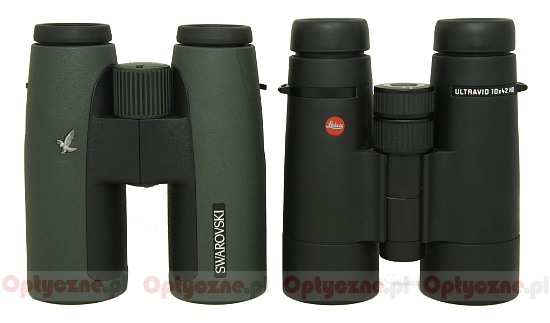 Swarovski SLC HD 10x42 WB and Leica Ultravid 10x42 HD binoculars. |
The following chart shows that the EL Swarovision model weighs the most and is the biggest, next to the Zeiss Victory binoculars, among other top-of-the-range models on the market. The other end of the spectrum is occupied by the Leica Ultravid 10x42 HD, which is the smallest and physically the lightest. The Swarovski company most likely thought that there might be people who would perceive the big size of the EL Swarovision as a hindrance and they might want to own something smaller. Instead of buying a Leica they might decide to purchase an equally small SLC HD model. As the dimensions of the Leica Ultravid and the Swarovski SLC HD are comparable, the Leica remains still a bit cheaper, it features a wider field of view and fared a tad better in our tests. To tell you the truth buying the Swarovski is rather pointless when you can have a better, physically lighter product made by an equally renowned manufacturer.
What’s even worse for Swarovski, you can find at least 3-4 other pairs of binoculars which performances are equally good but which are two times cheaper; they often come from producers which renown is equally undisputable. The comparison to these binoculars is presented in the following chart.
In order to keep our summary balanced we have to add that the Swarovski SLC HD 10x42 WB is really a good pair of binoculars and every user will be very satisfied with its performance. The steep price is the main problem of the tested binoculars. If this equipment was offered for, say, 1200 Euro the overtone of our summary would be definitely more positive.
 |